
Eye Health Library
80 articles, explanations and interesting cases, based on lectures given by Dr. Benjamin Stern at international conferences and in the Department of Ophthalmology at Hadassah. Some are for patients and their families, and some are for physicians and eye care professionals.
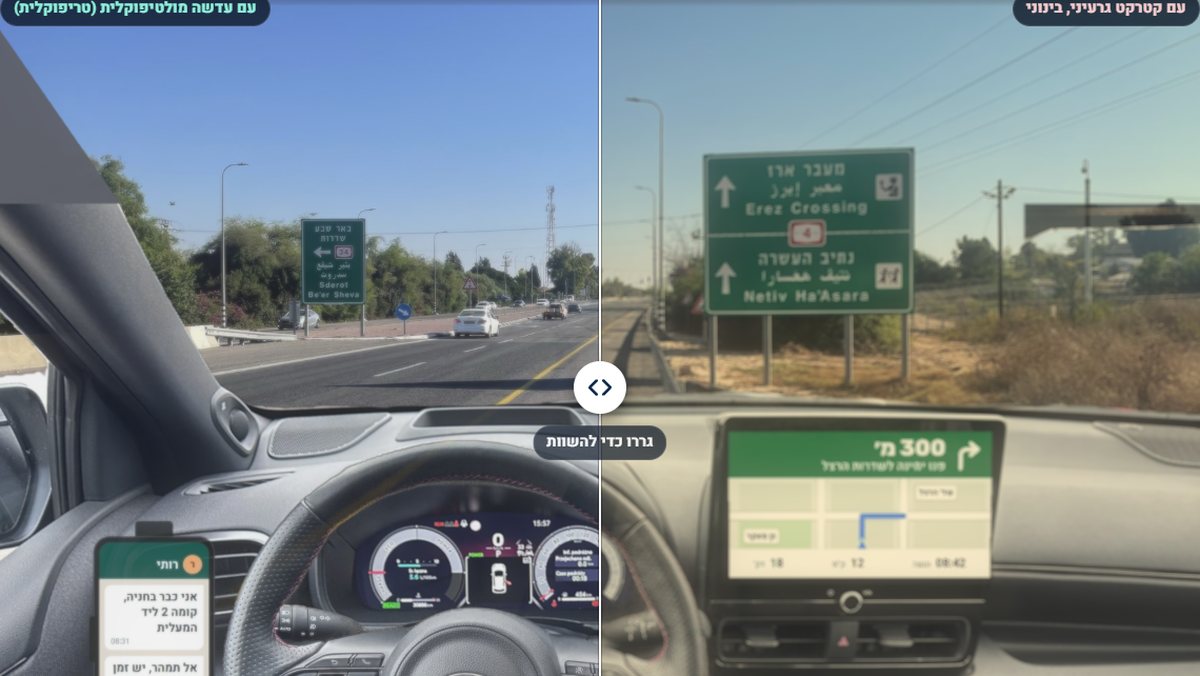 New · InteractiveVision Simulator: How Will You See?In real photos: cataract, monofocal, EDOF and trifocal lenses and monovision, as well as nearsightedness and farsightedness. Drag the slider and compare while driving, at the computer, on the street and at night.Open the simulator →
Cataract and Cataract Surgery
Symptoms, when to operate, special situations, complications and recovery.
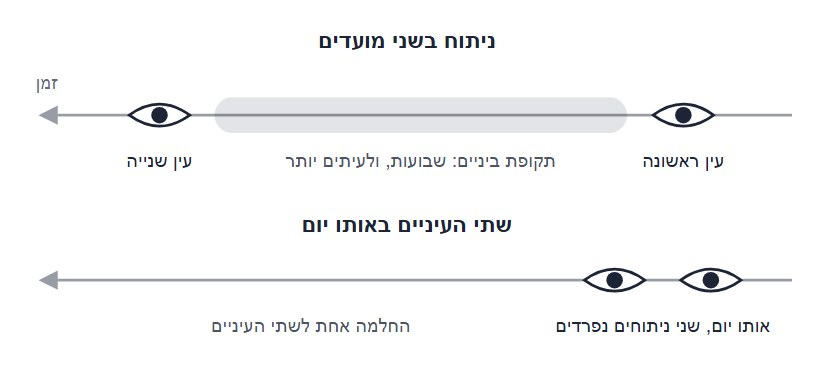
Cataract Surgery on Both Eyes on the Same Day
Surgery on both eyes on the same day: benefits, risks, safety measures and who is suitable. A balanced explanation for patients.
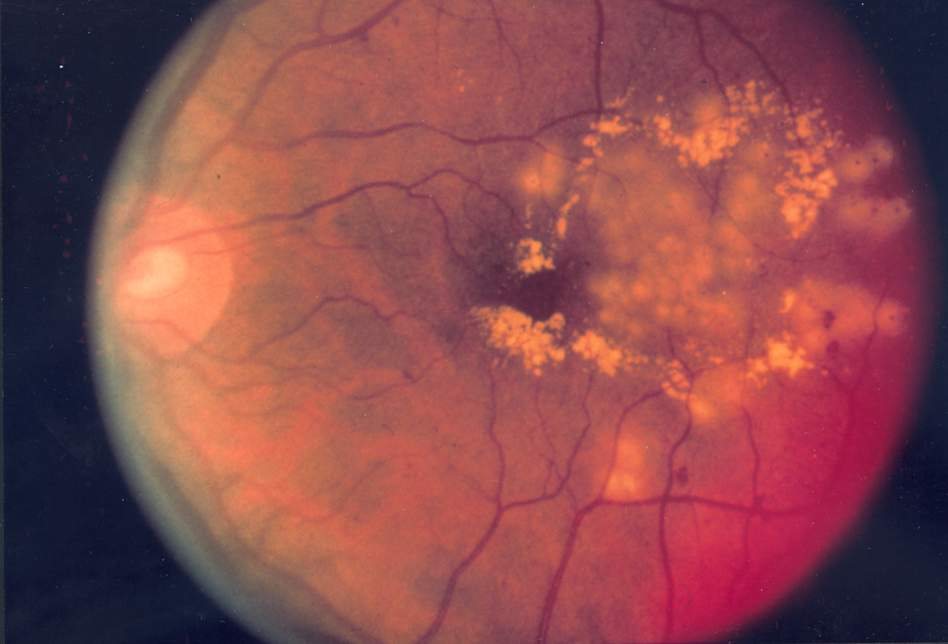
Cataract Surgery in People with Diabetes
Cataract and diabetes: the retinal exam before surgery, preventing macular edema, timing around injections, blood sugar control and choosing the lens.
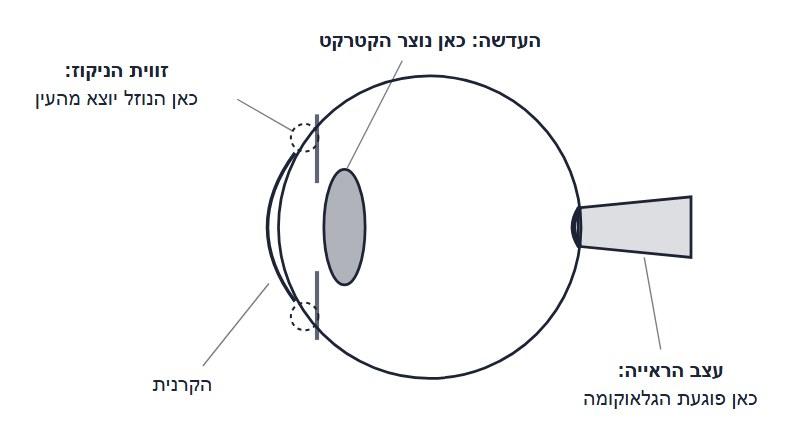
Cataract Surgery with Glaucoma or High Eye Pressure
Cataract and glaucoma together: how surgery affects eye pressure, drops around the time of surgery, combined surgery and MIGS, and choosing the lens.
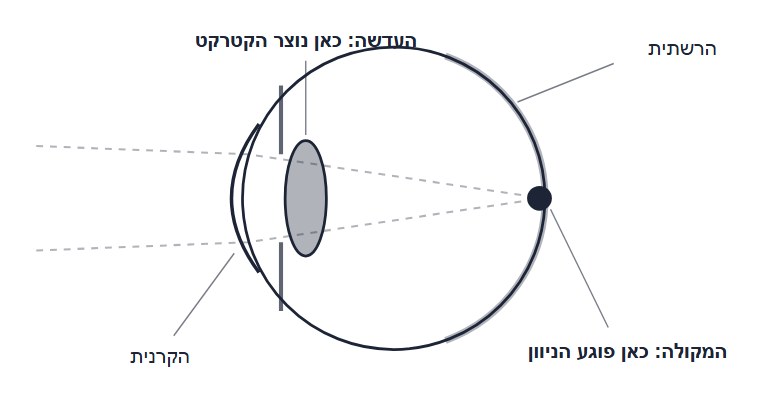
Cataract Surgery with Macular Degeneration (AMD)
Cataract and macular degeneration together: what surgery can improve, which lens to choose, and timing surgery around injections.
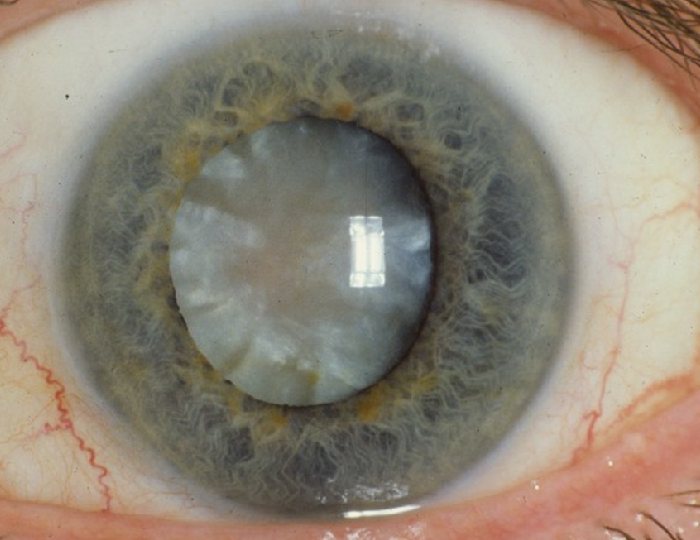
Can Cataracts Be Prevented?
Smoking, sun, diabetes and steroids, vitamins and AREDS, and cataract-dissolving drops: what works and what does not.

Anesthesia for Cataract Surgery: What You Feel and What You See
Drops, an injection around the eye, sedation or general anesthesia: what you feel during cataract surgery, and whether you need to fast.
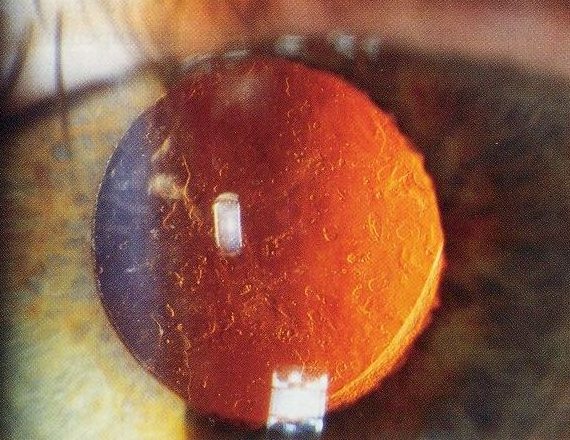
Risks and Complications of Cataract Surgery: What the Numbers Say
A tear in the capsule, infection, macular edema and retinal detachment: how common they really are, who is at risk, and when to seek care.
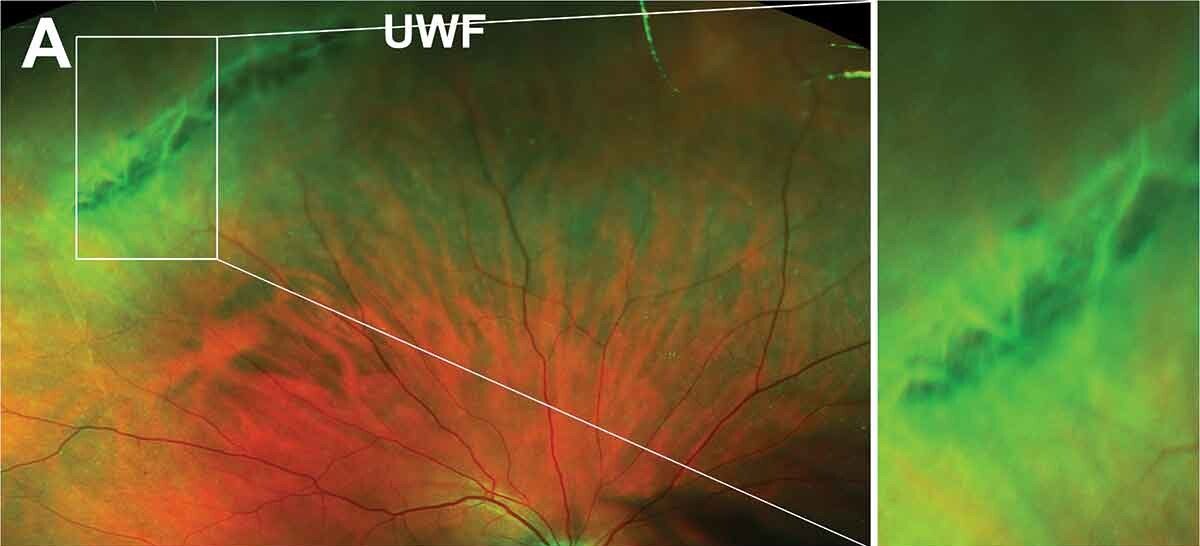
Cataract Surgery with High Myopia (Severe Nearsightedness)
A long eye and cataract: calculating the lens, choosing the target prescription, the risk of retinal detachment and the retinal exam before surgery.

Cataract Symptoms: How to Tell That the Lens Has Become Cloudy
Blur, glare, faded colors and a changing prescription: how to recognize cataract, what is not cataract, and how it is diagnosed.
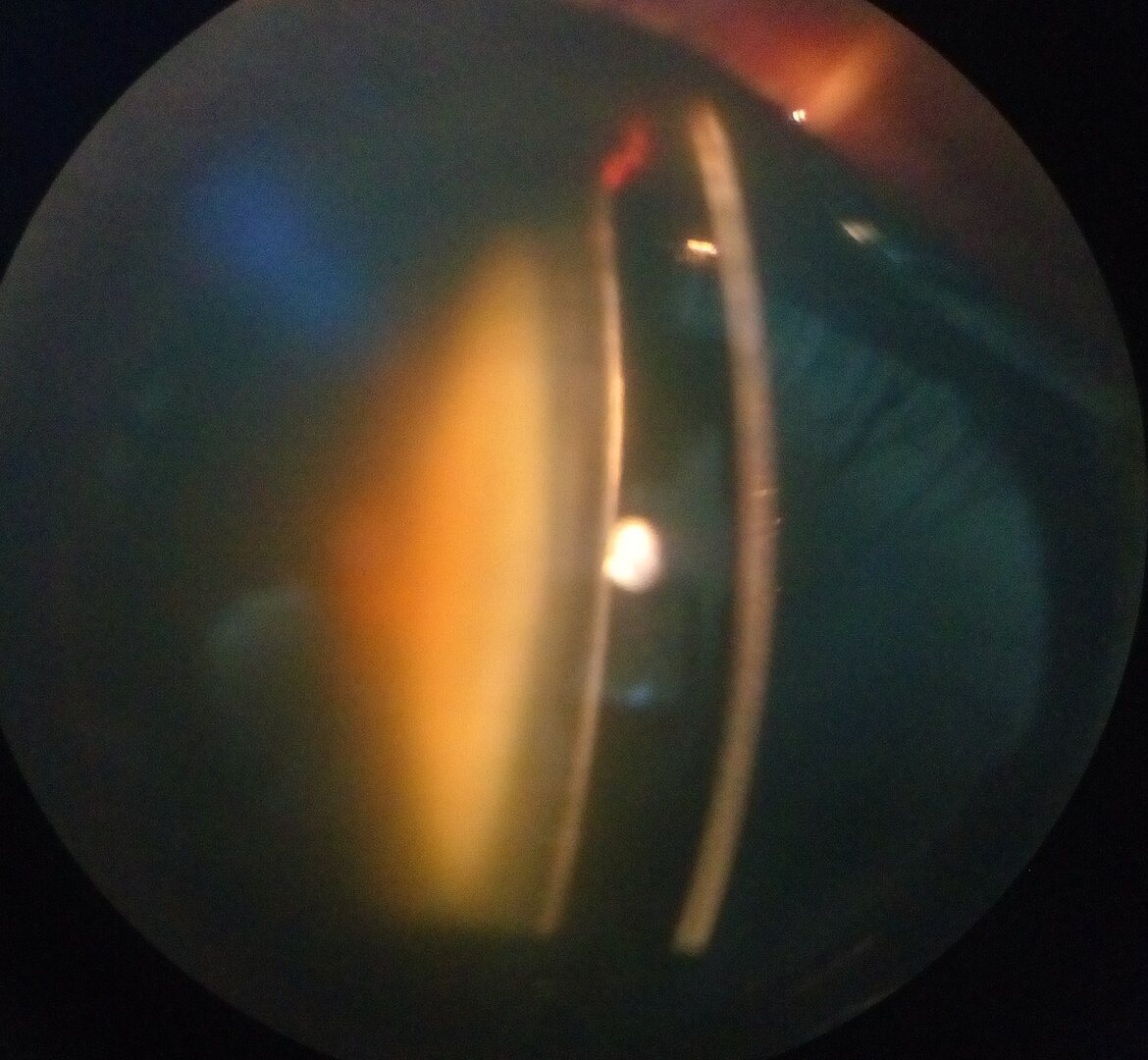
Types of Cataract and What Causes Them
Nuclear, cortical and posterior subcapsular: what you notice with each type, and what causes cataract in adults.
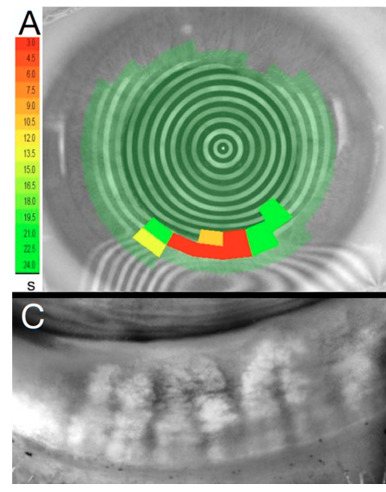
Dry Eye and Cataract Surgery
Why dry eye distorts the corneal measurements before cataract surgery, how it is treated, and how long dryness lasts after surgery.
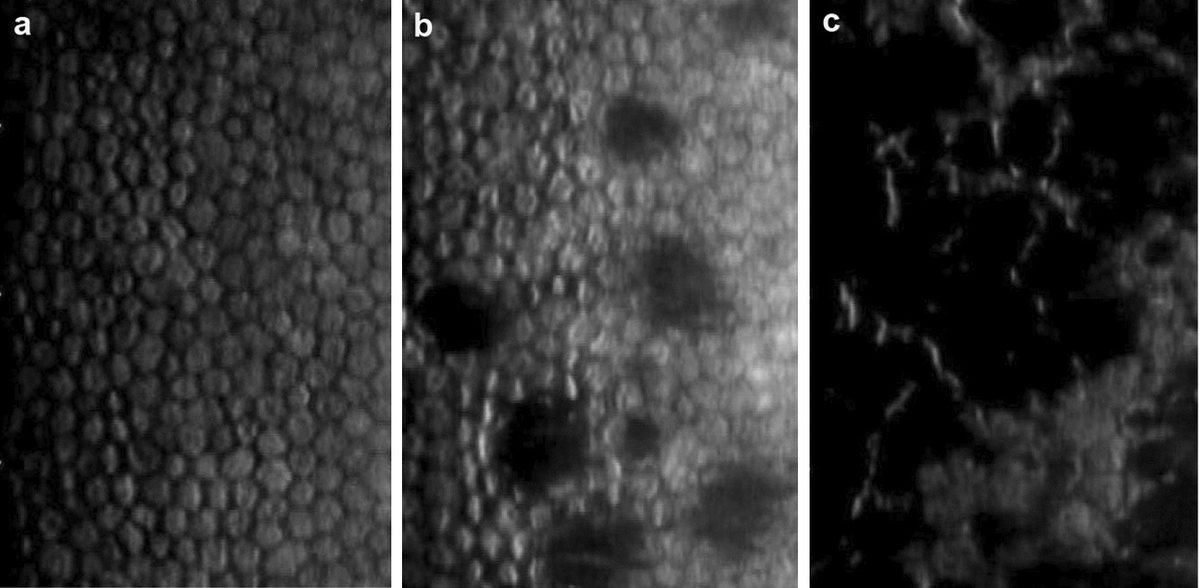
Cataract Surgery with Fuchs Corneal Dystrophy
Fuchs dystrophy and cataract: symptoms, corneal tests before surgery, the risk of edema, surgery alone or with DMEK, and choosing a lens.

Glasses After Cataract Surgery: Will I Need Them?
Monofocal, monovision, toric, EDOF or multifocal: when glasses are needed after surgery, and what can be done if a prescription remains.
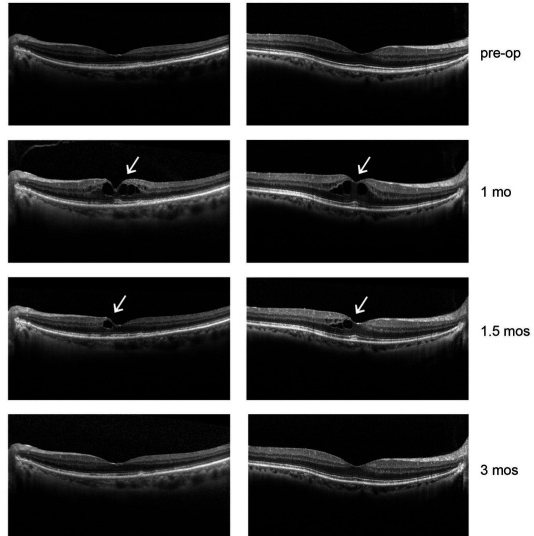
Macular Edema After Cataract Surgery (Irvine-Gass Syndrome)
Macular edema after cataract surgery: when it appears, who is at risk, how it is diagnosed with OCT, how it is treated and the chances of recovery.
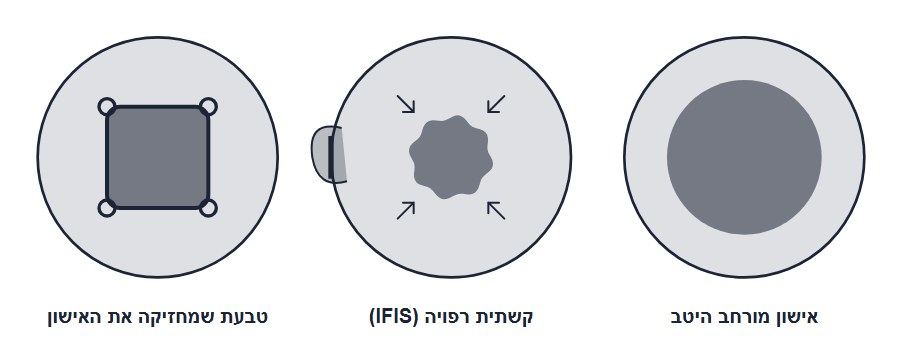
Prostate Medications and Cataract Surgery: Tamsulosin and Floppy Iris Syndrome
Tamsulosin and similar medications: what a floppy iris is, why to tell your surgeon, why not to stop the medication on your own, and how to prepare for surgery.
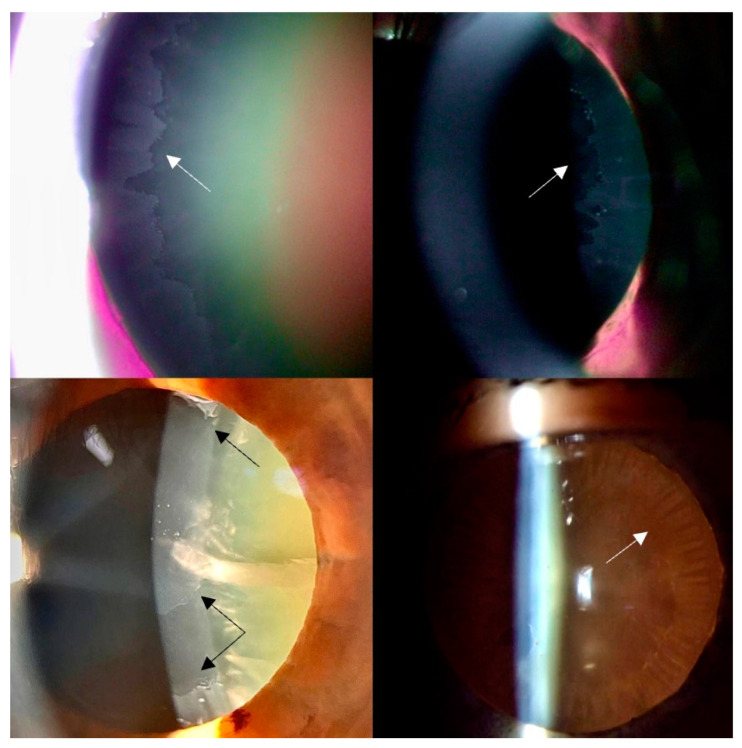
Cataract Surgery with Pseudoexfoliation (PXF)
Pseudoexfoliation: what it is, why it complicates cataract surgery, what the surgeon does differently, and what is important to know about follow-up.
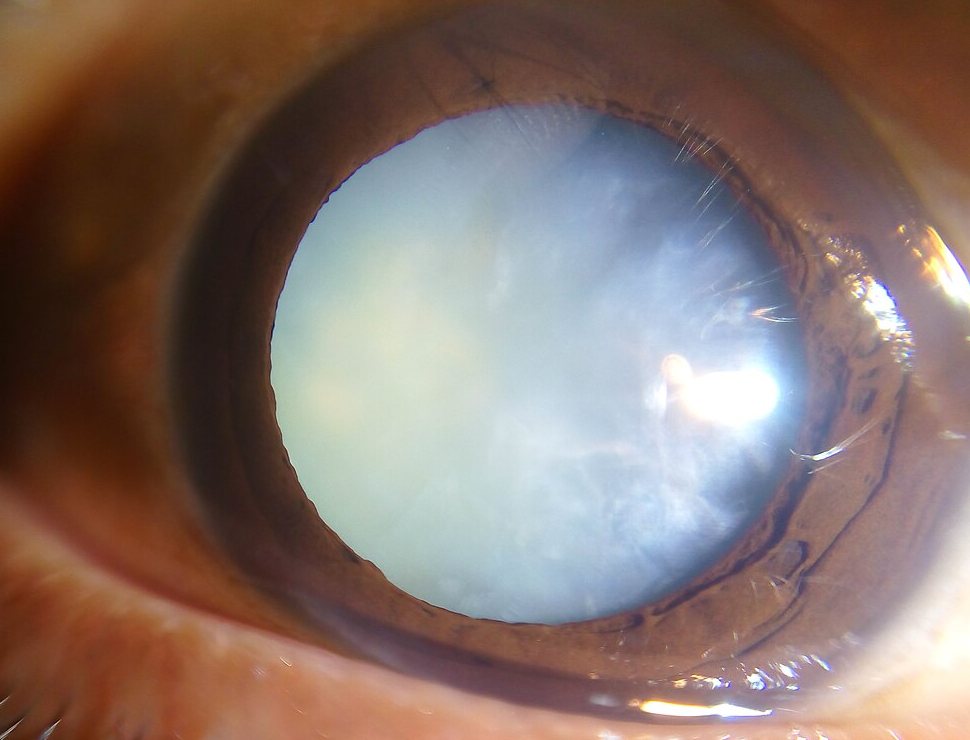
When Should You Have Cataract Surgery?
By function, not by a number: when to operate on a cataract, the myth of the ripe cataract, and what happens when you wait.
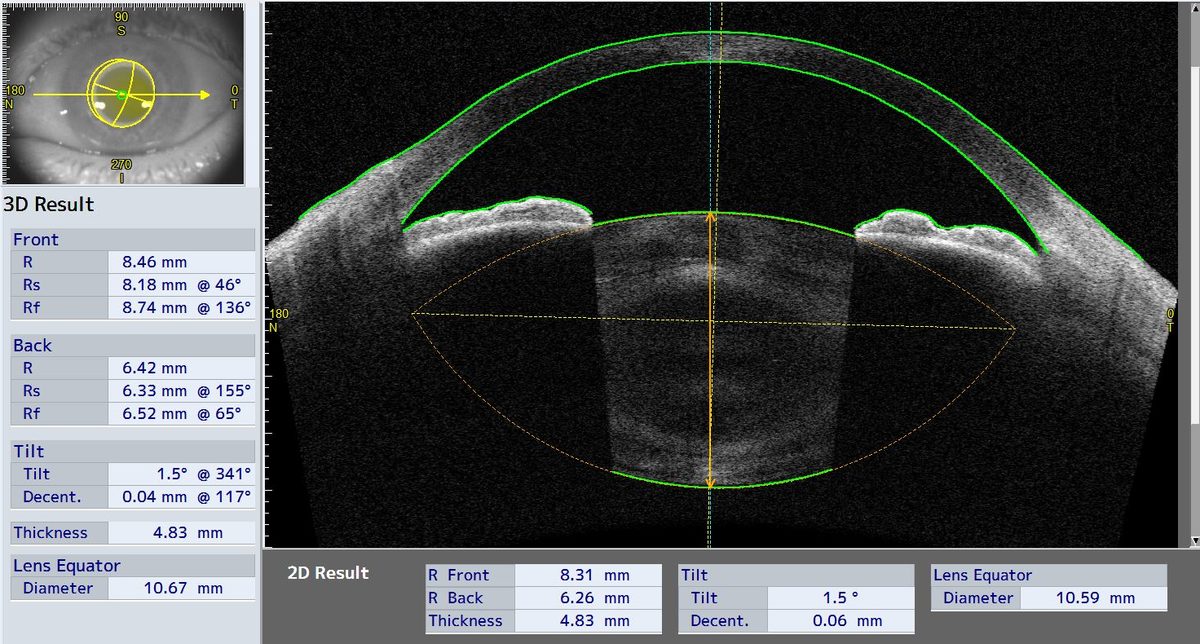
AS-OCT in the Cataract Clinic: What CASIA2 Adds to Planning and Quality Control
Tomography, the posterior cornea, lens tilt, posterior polar cataract and toric lenses: AS-OCT in the service of the cataract surgeon.
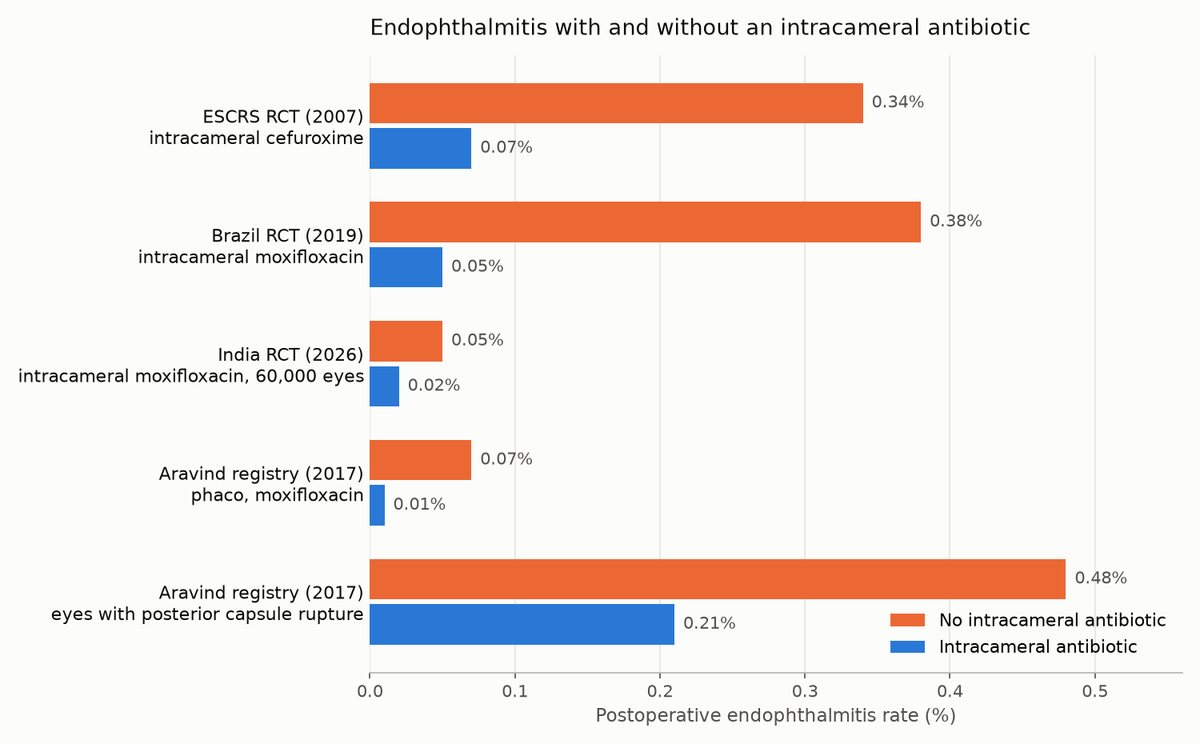
Preventing Endophthalmitis After Cataract Surgery: What the Evidence Says in 2026
Intracameral antibiotics, povidone-iodine and drops: what has been proven, risk factors, TASS and where the guidelines stand in 2026.
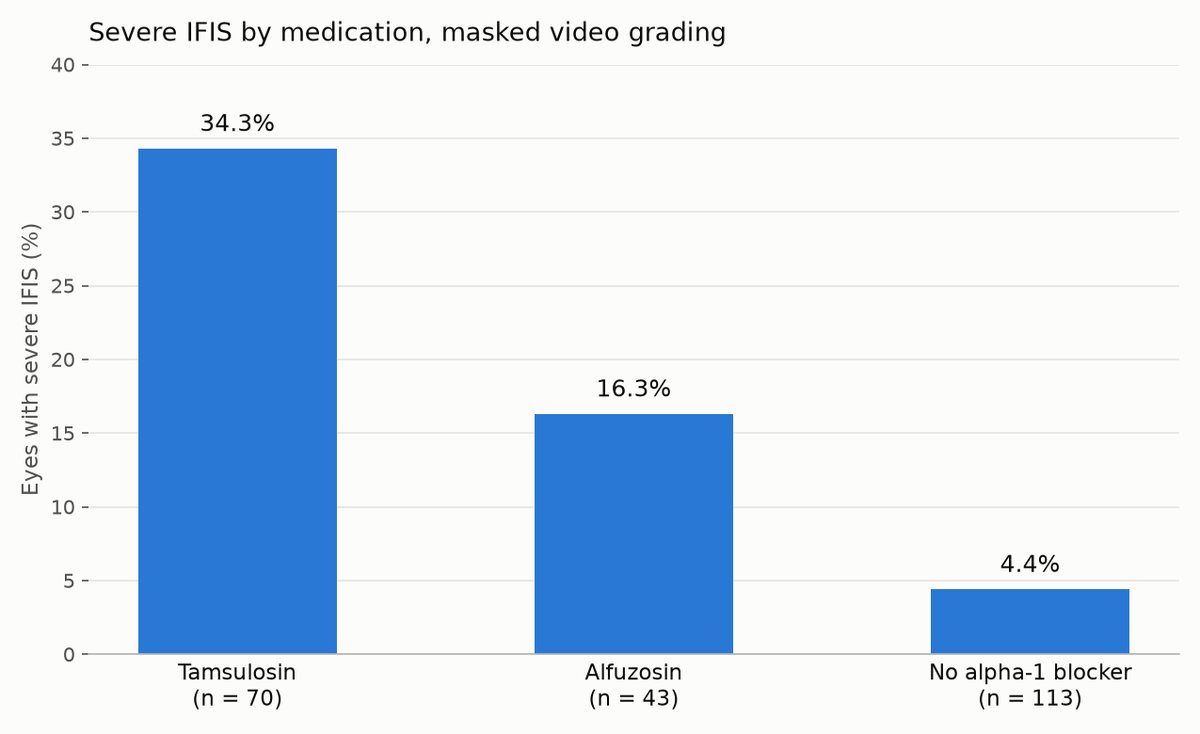
IFIS and the Small Pupil in Cataract Surgery: Prevention, Technique and an Algorithm
IFIS and the small pupil: alpha-1 blockers, grading, intracameral mydriatics, OVD, iris hooks and rings, and a practical algorithm.
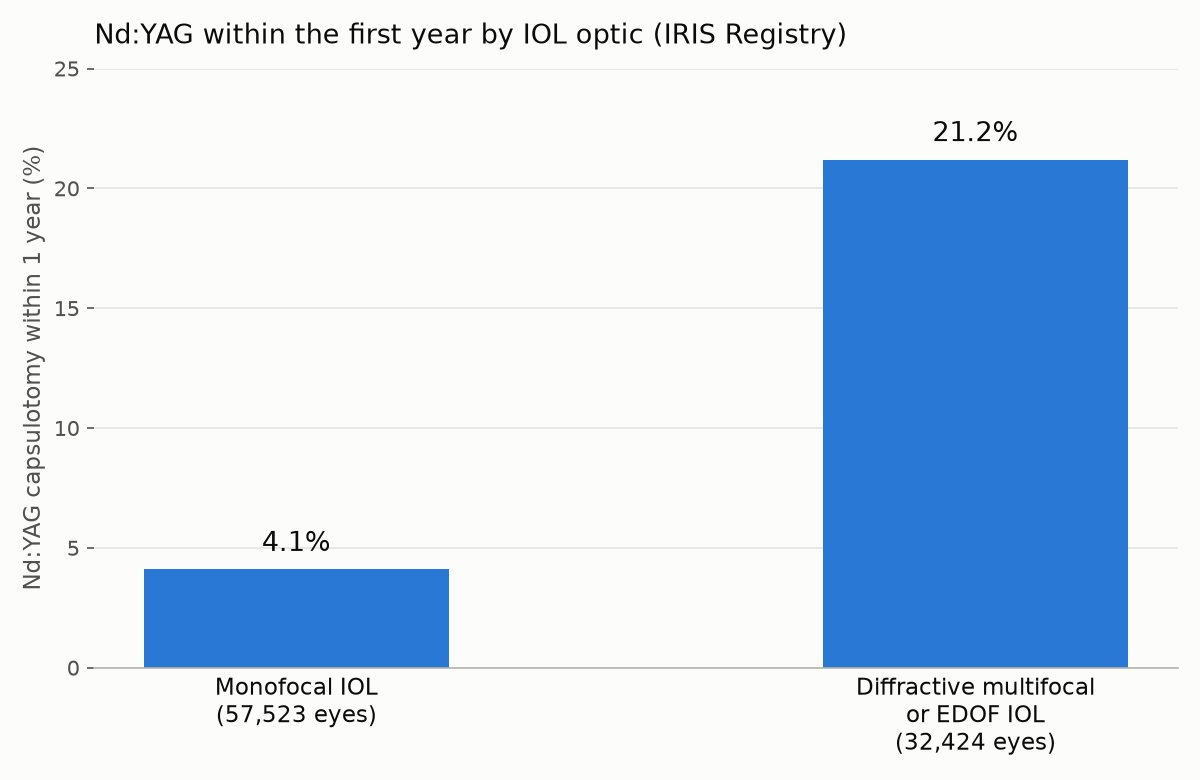
Posterior Capsule Opacification (PCO): Lens Design, Technique and YAG Rates
PCO: biology, sharp edge versus material, capsulorhexis overlap, YAG rates in registries and complications of YAG.
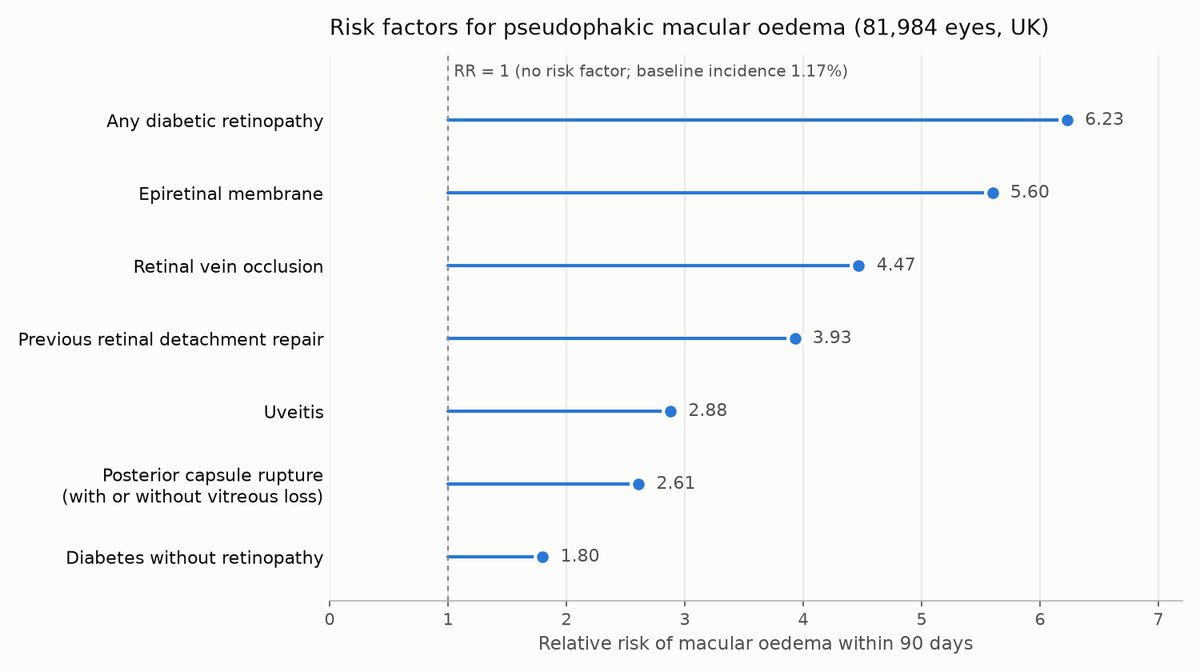
Cystoid Macular Edema (CME) After Cataract Surgery: Evidence-Based Prevention and Treatment
CME after cataract surgery: definitions, risk factors, the PREMED studies, NSAID versus steroid, dropless surgery and a treatment algorithm.
Intraocular Lenses
Multifocal, EDOF, toric, monovision, lens calculation and what happens when the lens moves.
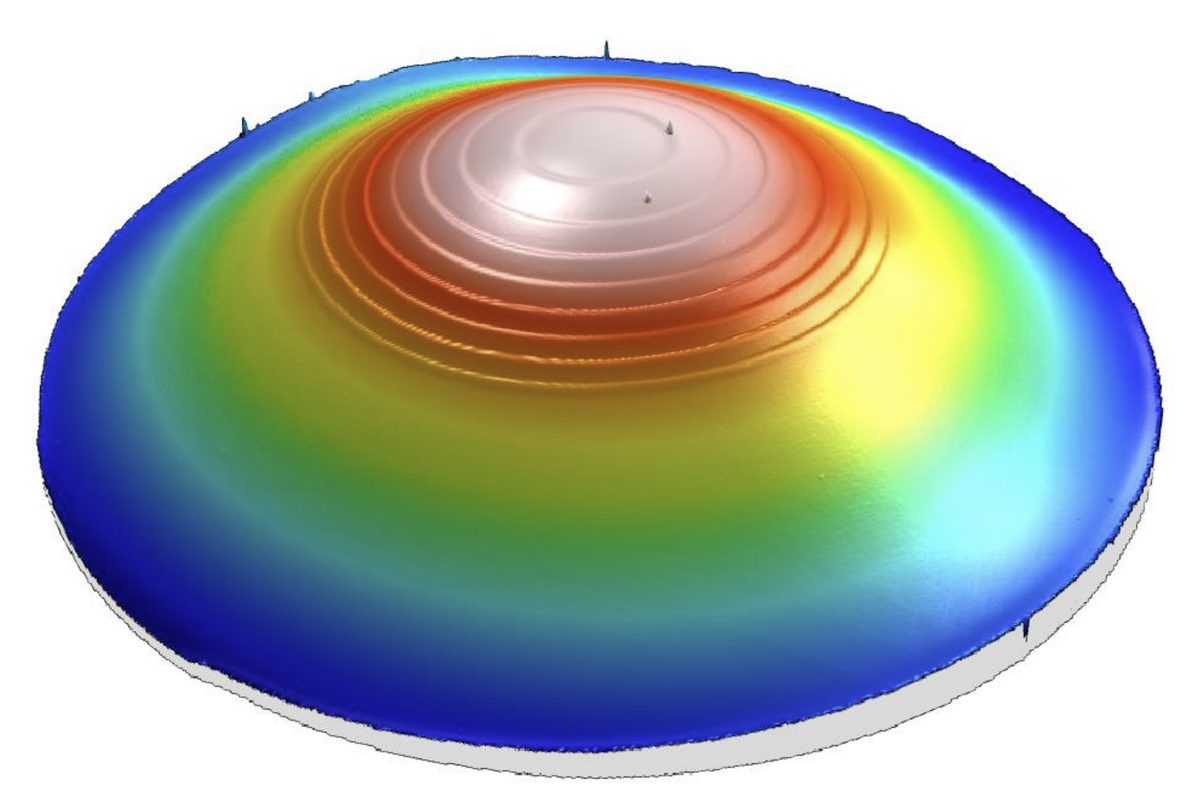
Multifocal Lenses: How to Choose the Right Lens for Your Eye
Who is suited to a multifocal lens, the difference between trifocal and EDOF, halos, how the brain adapts, and the tests done before choosing.
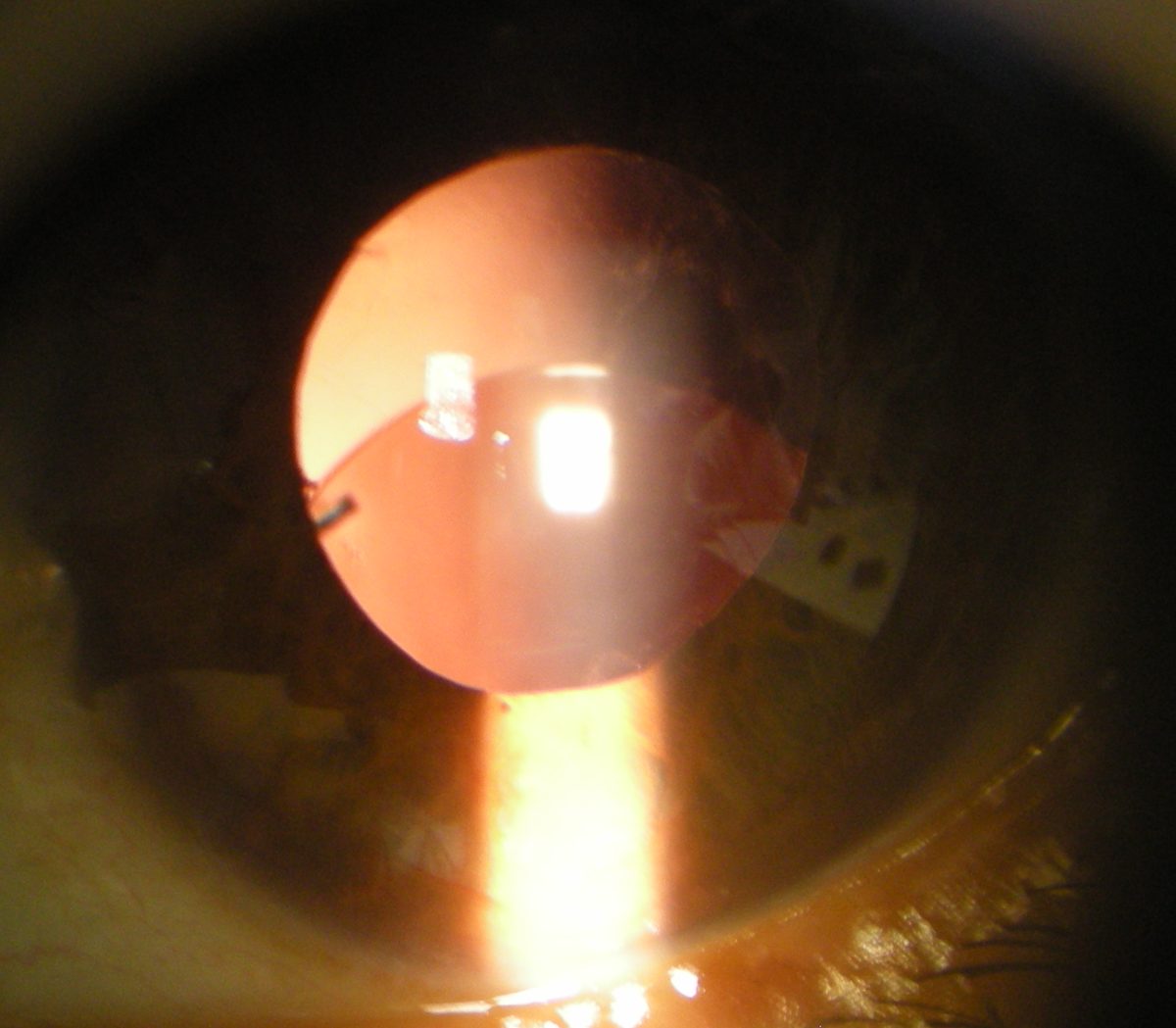
Dislocated Intraocular Lens: When the Lens Moves Out of Place
When the artificial lens moves out of place: symptoms, risk factors, and the surgical options for correcting it.
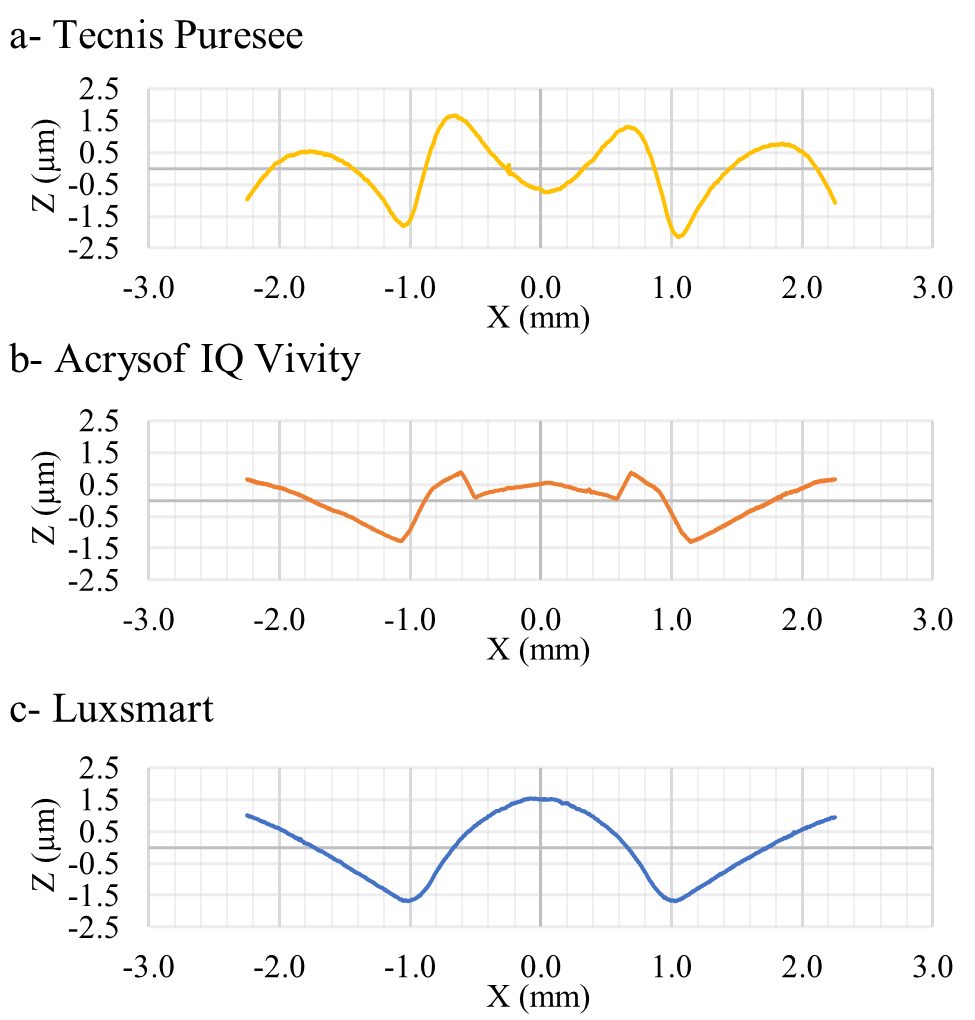
EDOF Lenses: Extended Depth of Focus Lenses for Cataract Surgery
What an EDOF lens is, how it works, how it differs from multifocal and monofocal lenses, and who it suits.
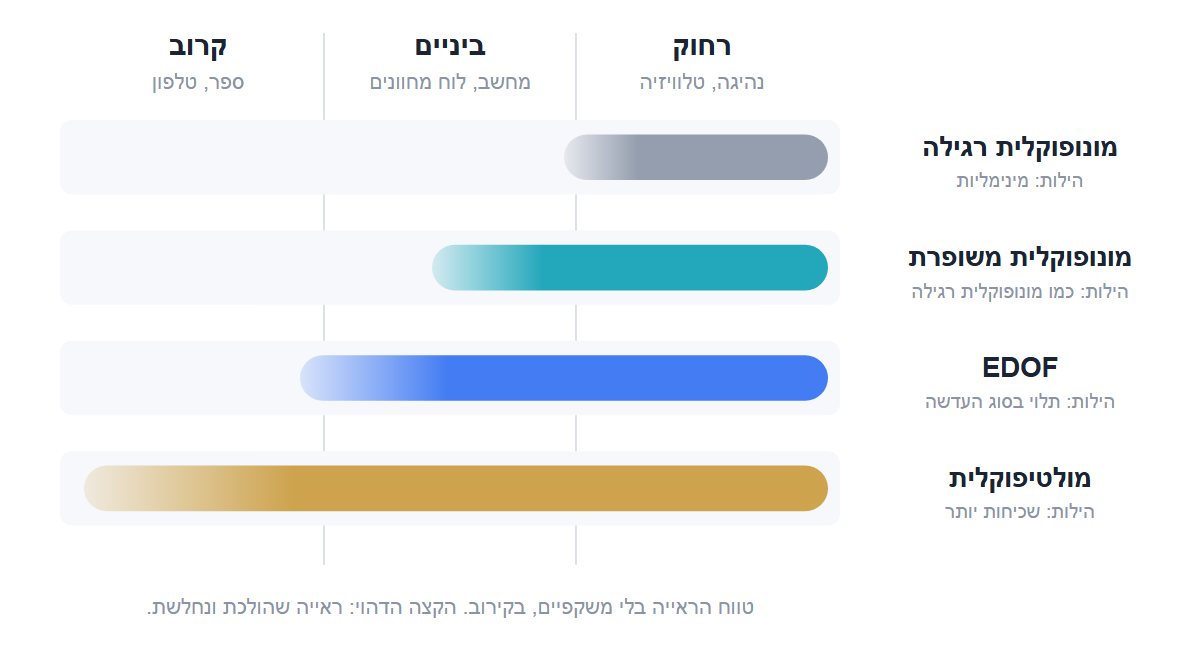
Enhanced Monofocal Lenses ("Monofocal Plus"): What They Add and What They Do Not
What a monofocal plus lens adds in the intermediate range, why reading glasses are still needed, and how it differs from an EDOF lens and from a multifocal lens.
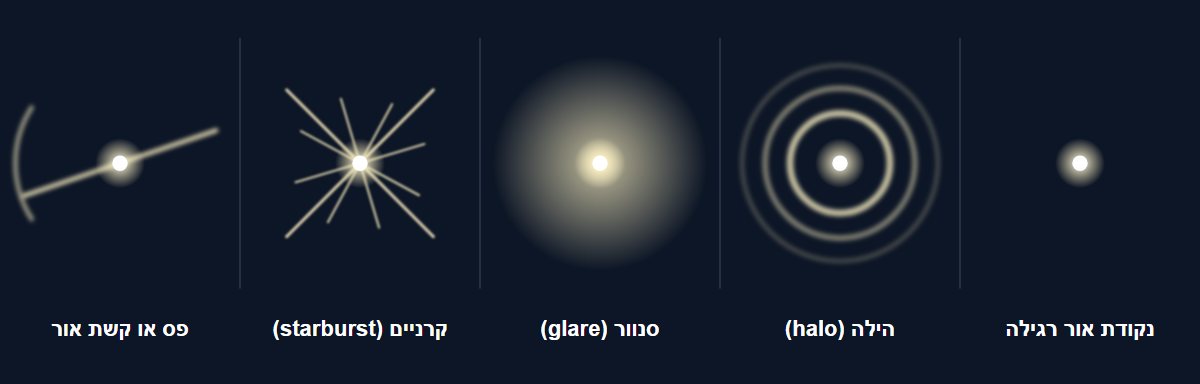
Halos, Glare and a Shadow at the Side After Cataract Surgery: Dysphotopsia
Halos, glare, streaks of light and a dark shadow at the side after cataract surgery: how common it is, what causes it, what goes away on its own and when it is treated.
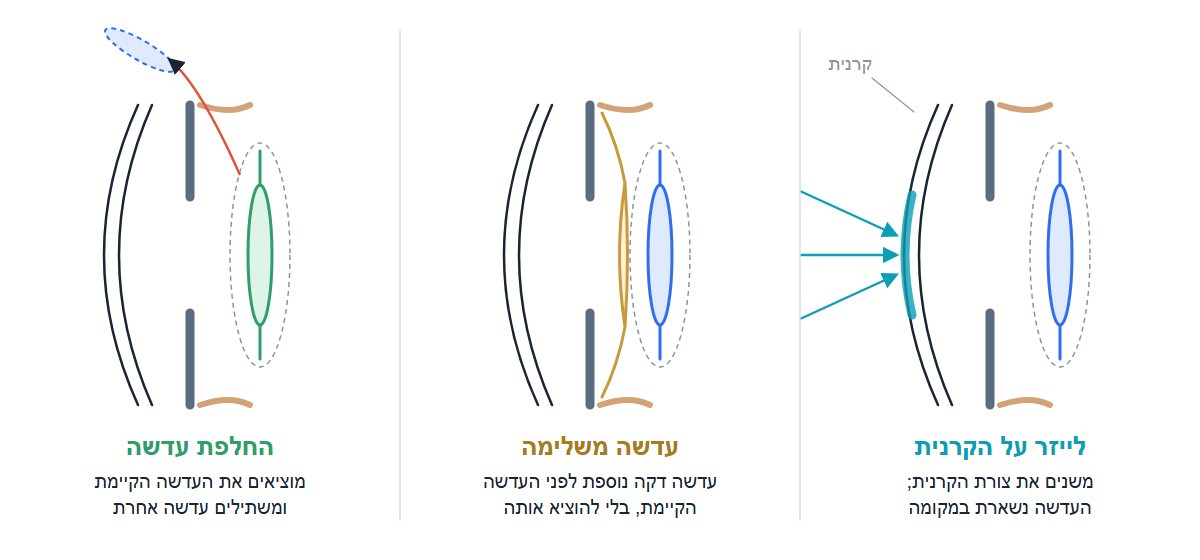
Intraocular Lens Exchange and Add-On Lenses: When, How and What Are the Risks
A wrong lens power, intolerable halos, a lens that has moved or turned cloudy: laser, an add-on lens or an exchange, and when each is preferable.
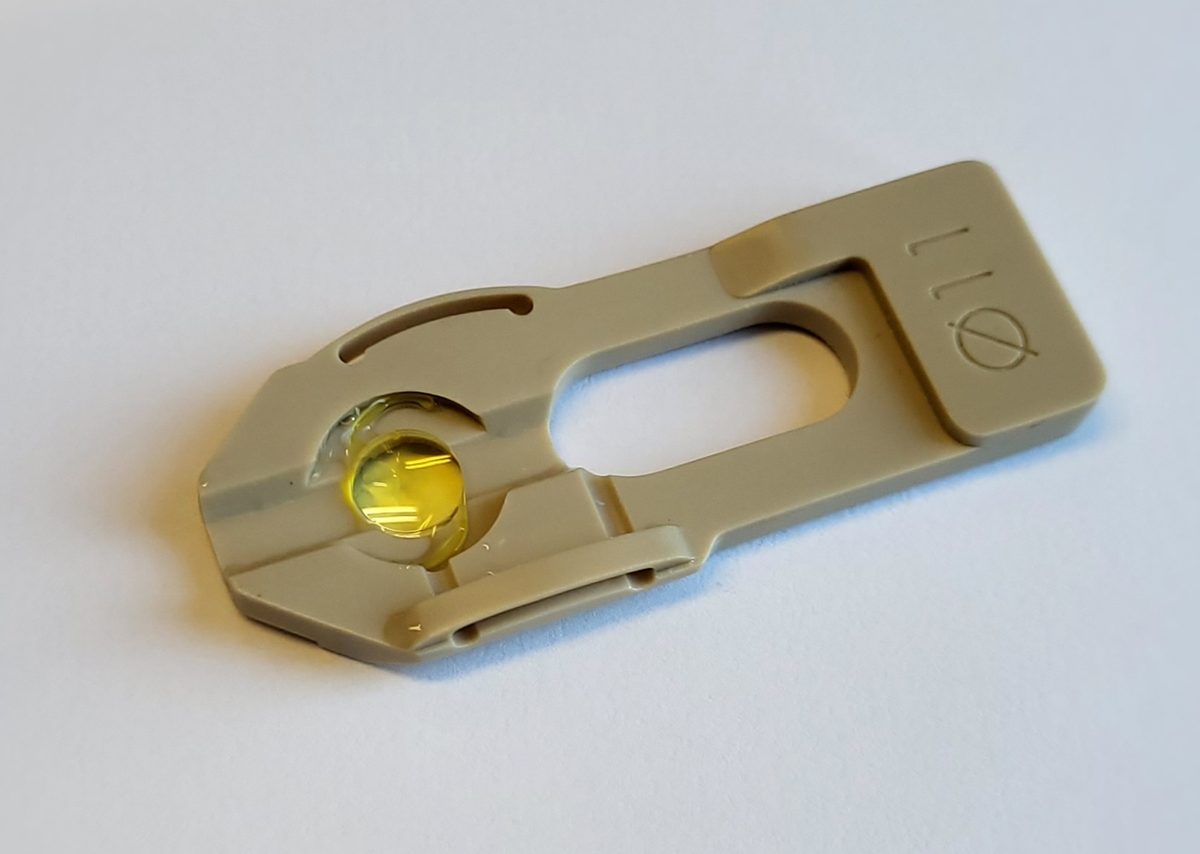
How Intraocular Lenses Are Tested in the Lab, and Why It Matters to You
What is tested on an intraocular lens in an optical laboratory, and why the same lens gives different vision in different eyes.
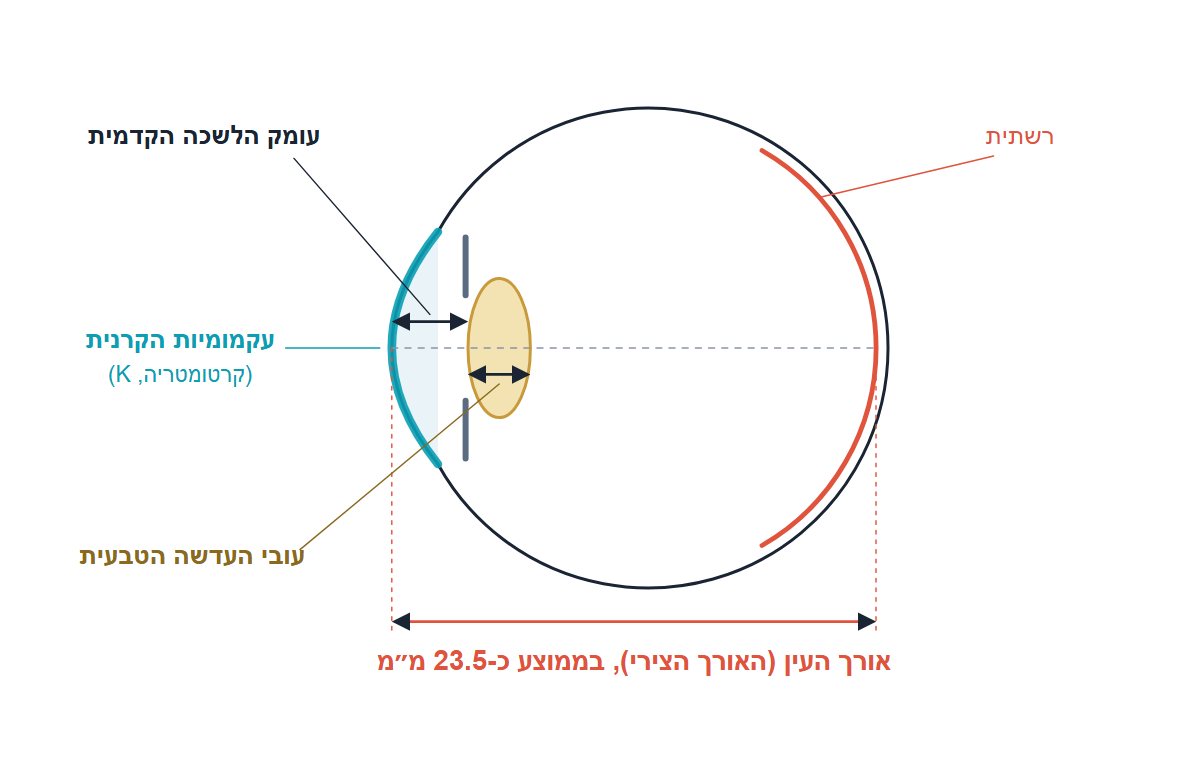
Intraocular Lens Power Calculation: Biometry, Formulas and Accuracy
What biometry measures, how the calculation formulas work, how accurate they are, and why it is harder after laser eye surgery.
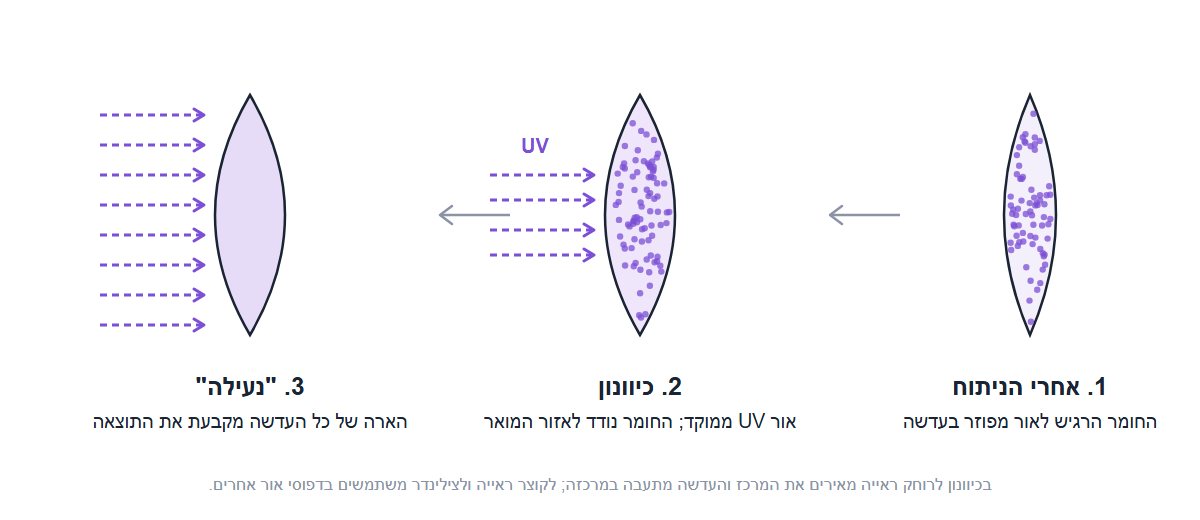
The Light Adjustable Lens: Adjusting the Lens Power After Surgery
A lens whose power is adjusted with UV light after surgery: how it works, the accuracy in studies, the protective glasses, drawbacks and availability.
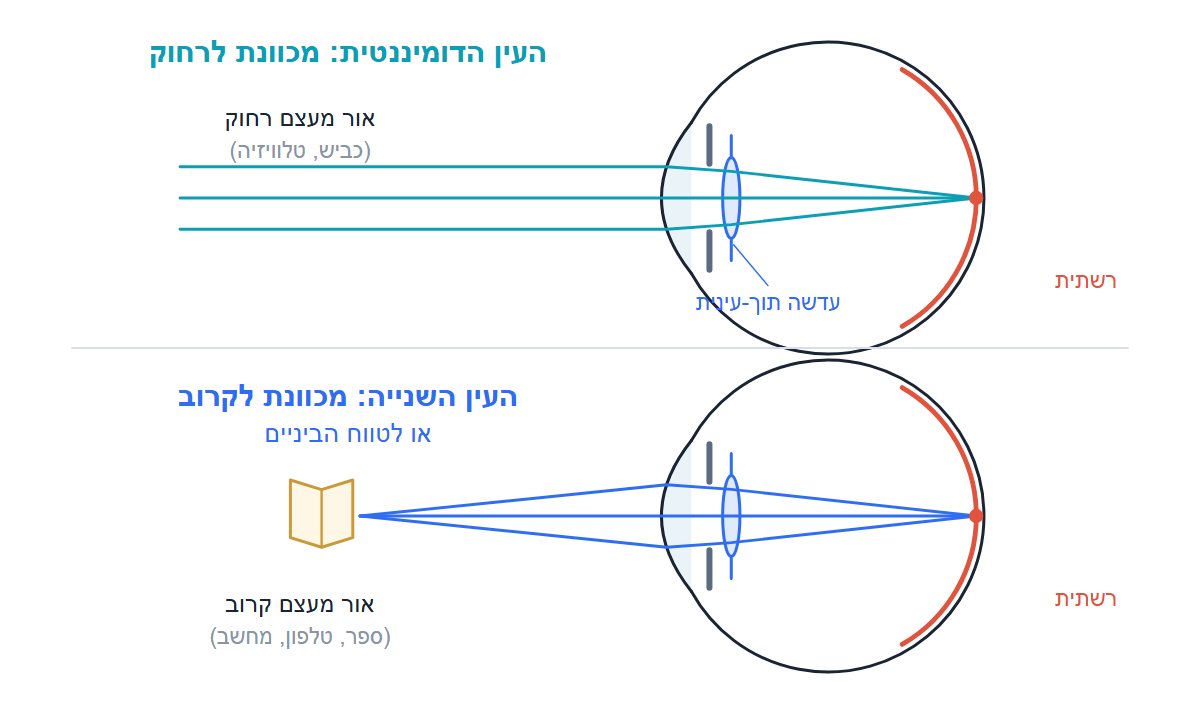
Monovision and Mini-Monovision: One Eye for Distance and One Eye for Intermediate Vision
The dominant eye for distance and the other eye for the intermediate range (−1.50 D): how monovision works, who adapts to it, a contact lens trial, and how it compares with a multifocal lens.
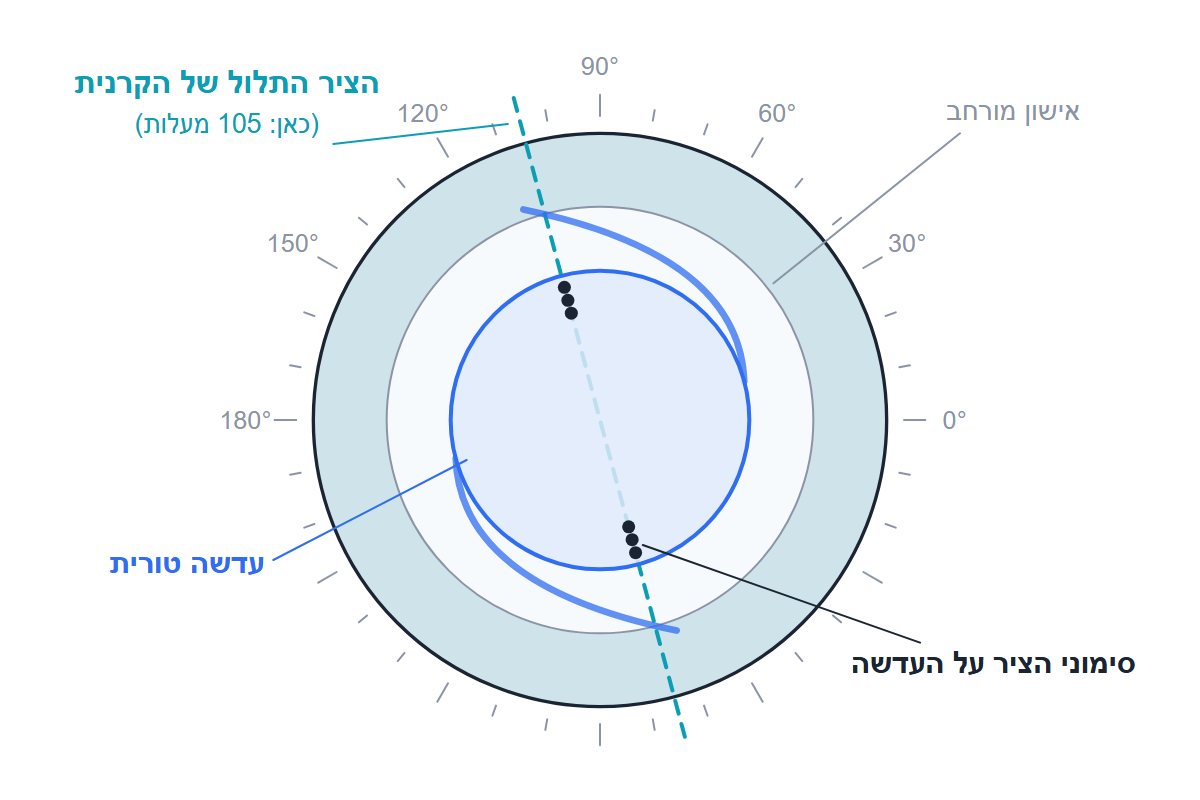
Toric Lenses: Correcting Astigmatism (Cylinder) in Cataract Surgery
Who is suited to a toric lens, how the axis is measured and marked, what happens when the lens rotates, and what alternatives exist.
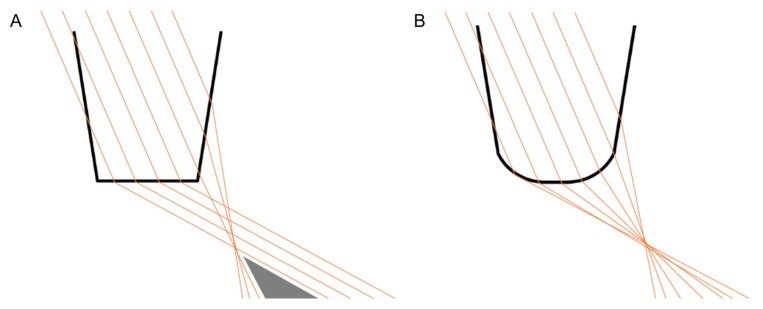
Positive and Negative Dysphotopsia After Cataract Surgery: Diagnosis, Mechanism and Management
PD and ND after cataract surgery: mechanisms, natural course and stepwise management, with published outcomes for each intervention.
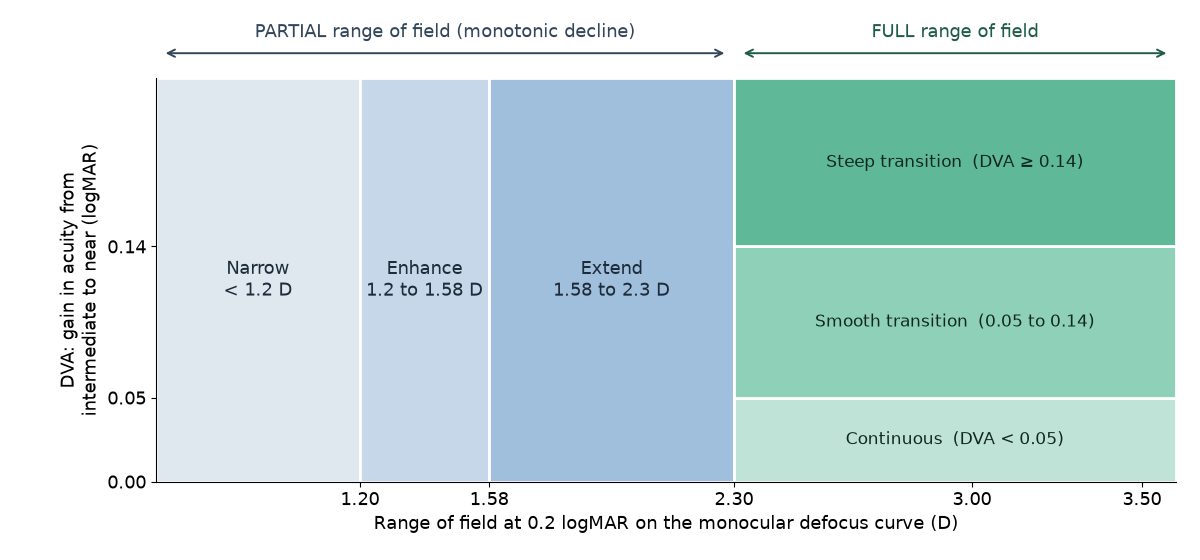
Classifying EDOF and Presbyopia-Correcting IOLs: Standards, Functional Classification and the Debate Around It
When is a lens an EDOF? The ANSI and ISO criteria, the ESCRS functional classification and the critique by Stern and Gatinel.
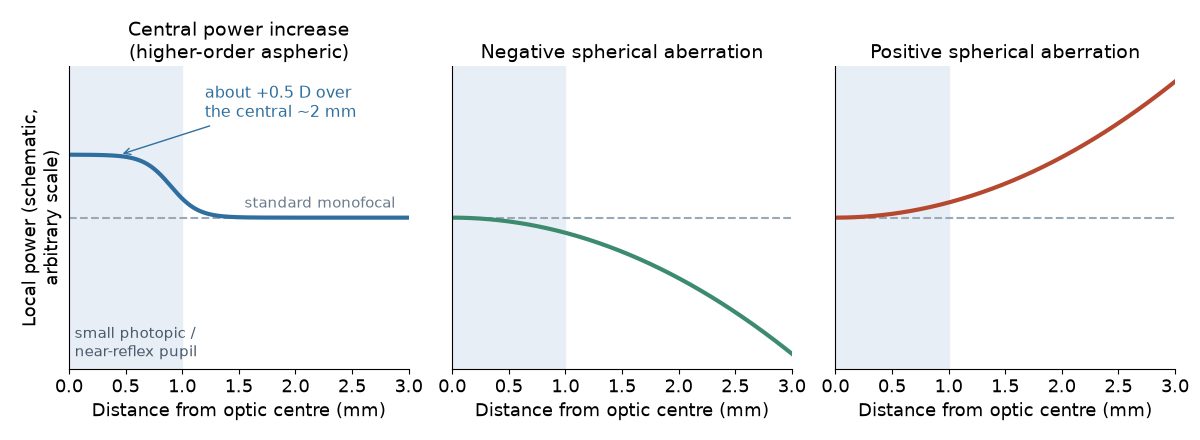
Monofocal Plus IOLs: Optical Design, Evidence and Counseling
Optical strategies, bench data and meta-analyses: what a monofocal plus lens adds, and for whom.
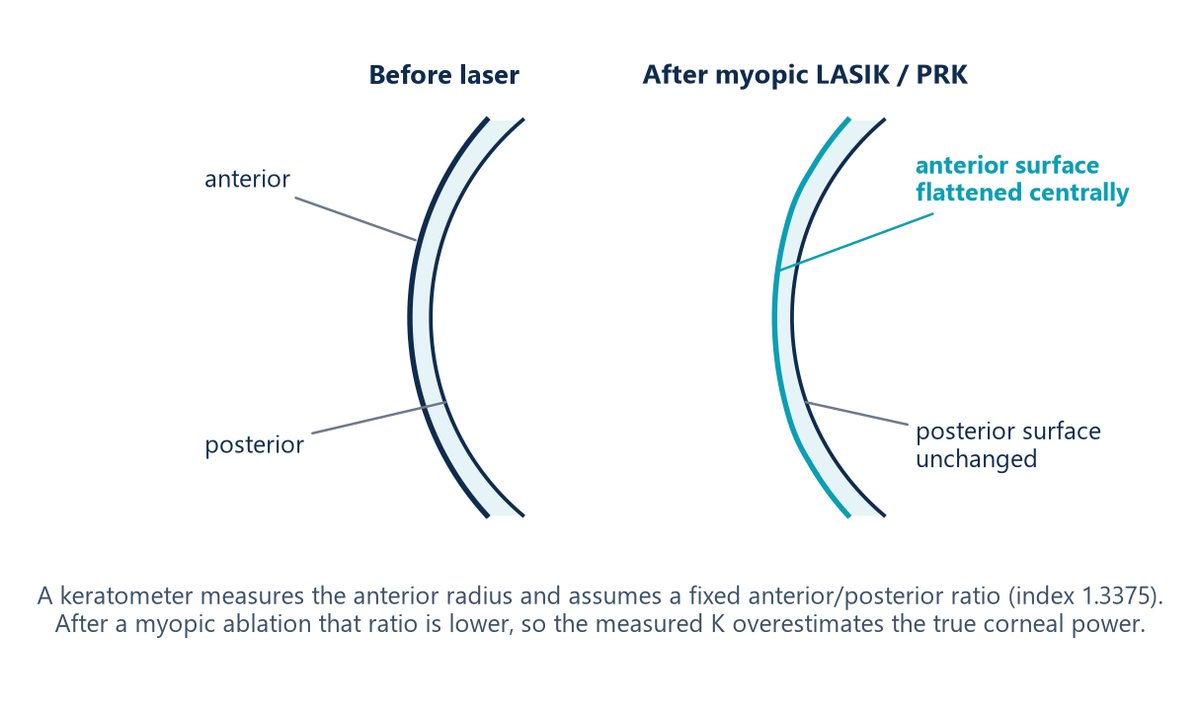
IOL Power Calculation After Corneal Refractive Surgery
Why the formulas go wrong after laser surgery, methods with and without historical data, the ASCRS calculator, expected accuracy, hyperopic treatment and RK.
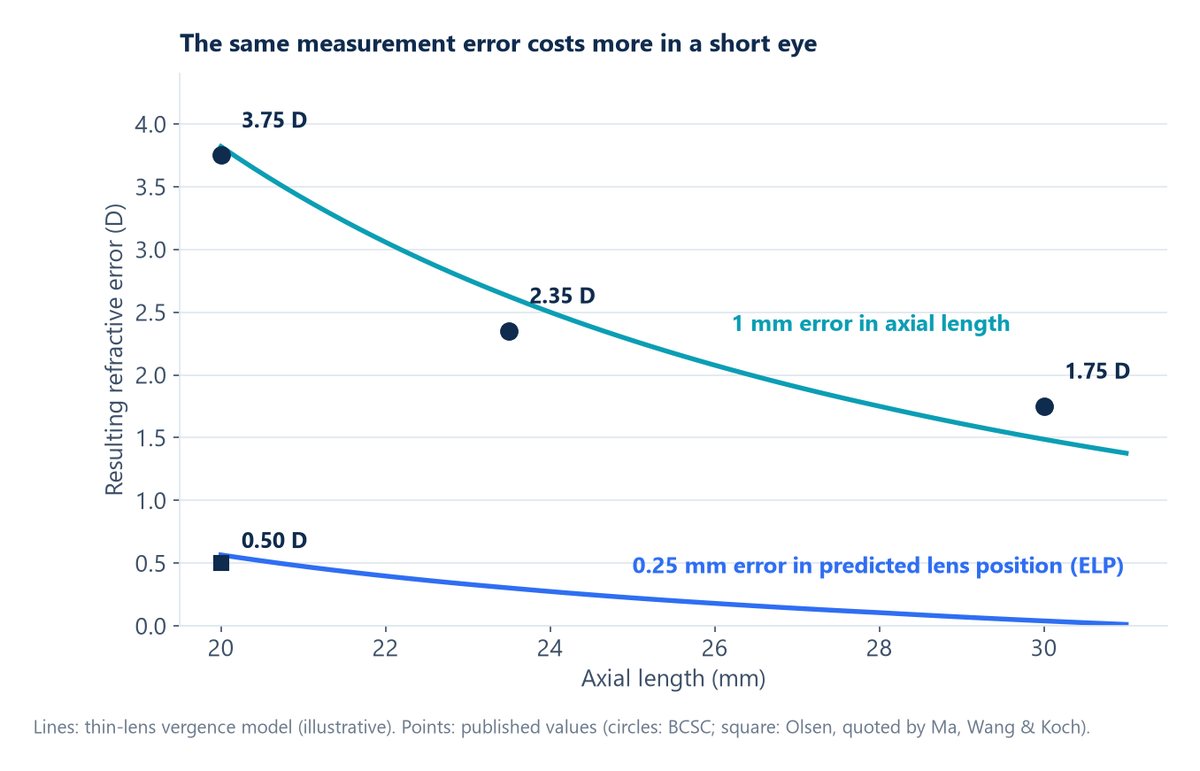
IOL Power Calculation in Long and Short Eyes
Long eyes: hyperopia, Wang-Koch and staphyloma. Short eyes: ELP sensitivity, modern formulas and piggyback.
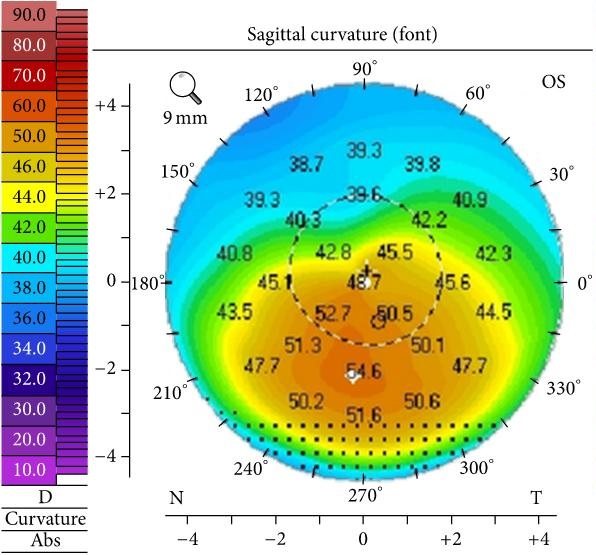
IOL Power Calculation in Keratoconus
Why keratometry is misleading in keratoconus, dedicated formulas by stage, a mildly myopic target, and when to choose a toric lens and when not to.
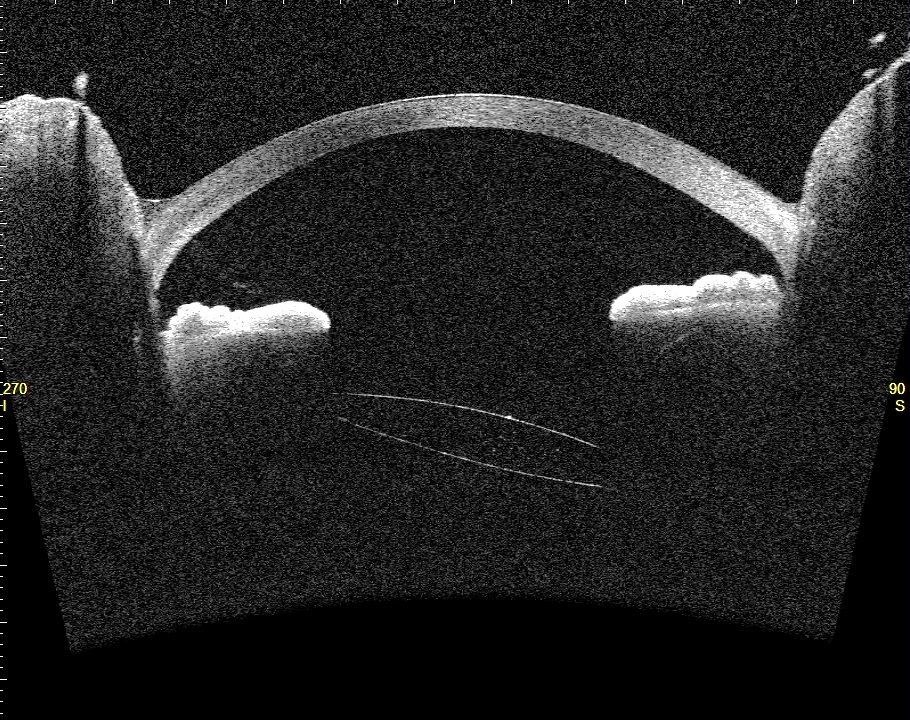
Secondary IOL Fixation: Techniques, Considerations and a Case
ACIOL, iris-claw, scleral sutures and Yamane: a practical review of secondary fixation, with a case of tilt on AS-OCT.
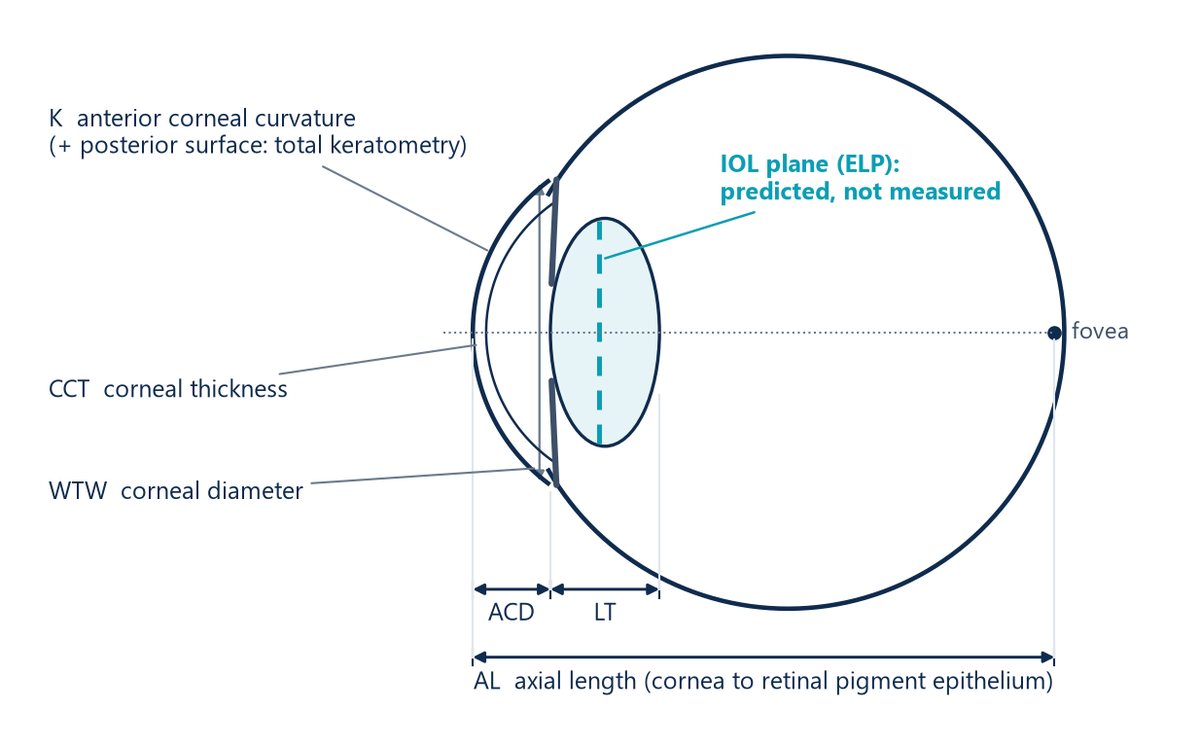
IOL Power Calculation Formulas: What We Really Know
What each IOL formula takes as input, accuracy in the large studies, constant optimization, which formula for which eye, and the limits of the evidence.
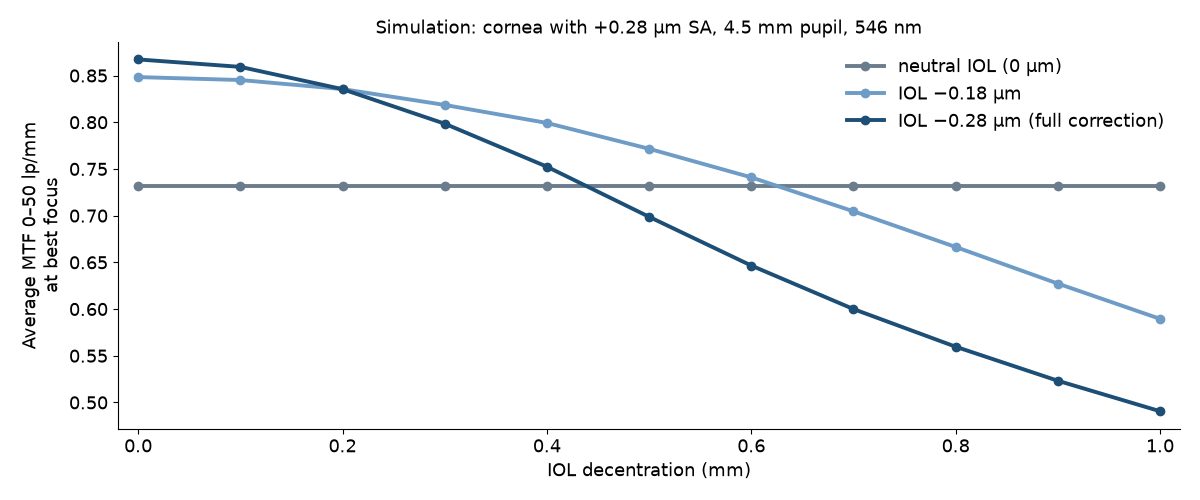
IOL Tilt and Decentration: Typical Values, Predictors and Tolerance by Design
Real-world tilt and decentration values, predictors, and how much aspheric, toric and multifocal lenses tolerate.
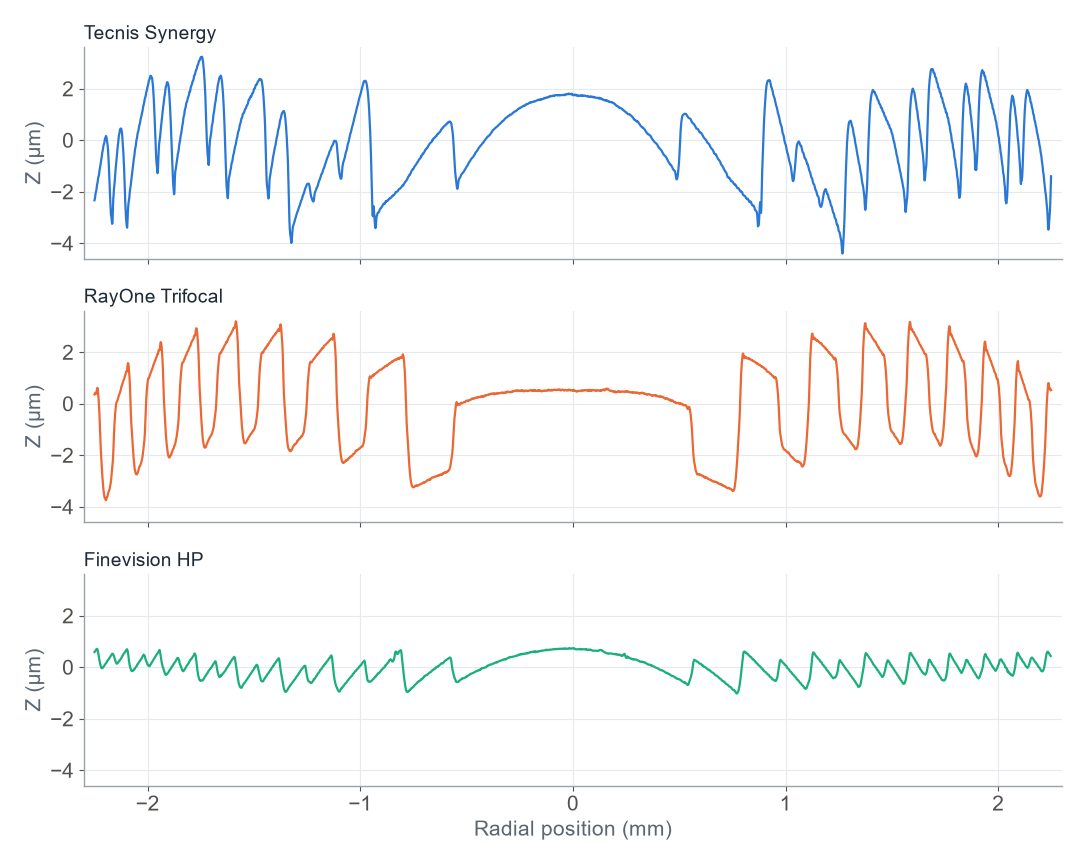
Multifocal IOL Selection: An Optics-Based Framework
A framework for selecting multifocal and EDOF IOLs: cornea, pupil, lens design, post-LASIK myths and simulation.
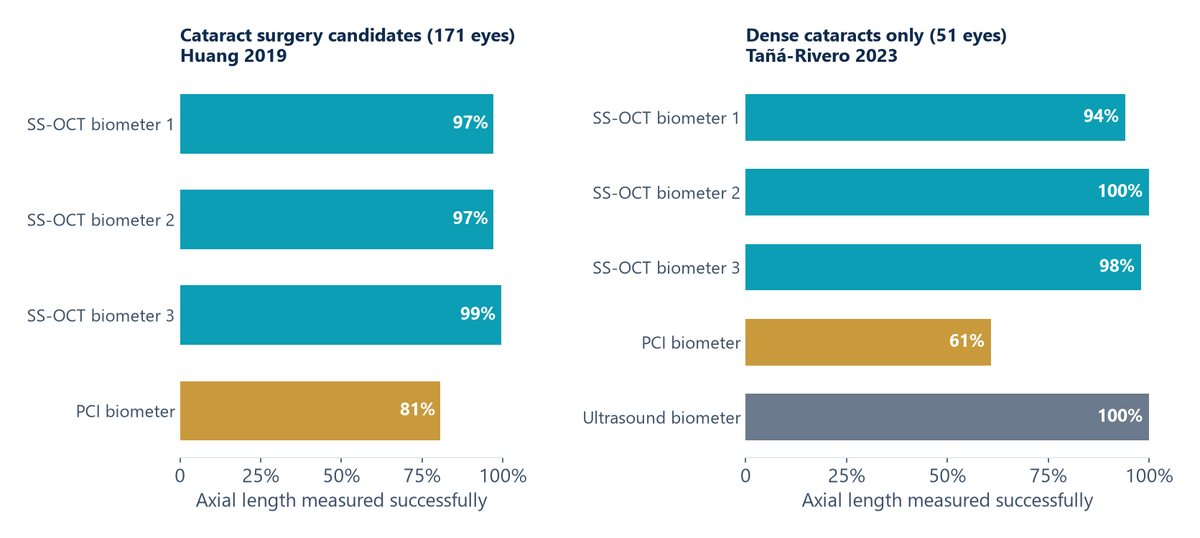
Pitfalls in Optical Biometry: How to Read a Biometry Printout
Quality control for the biometry printout: warning signs, differences between the two eyes, dense cataract, the ocular surface, contact lenses and differences between devices.
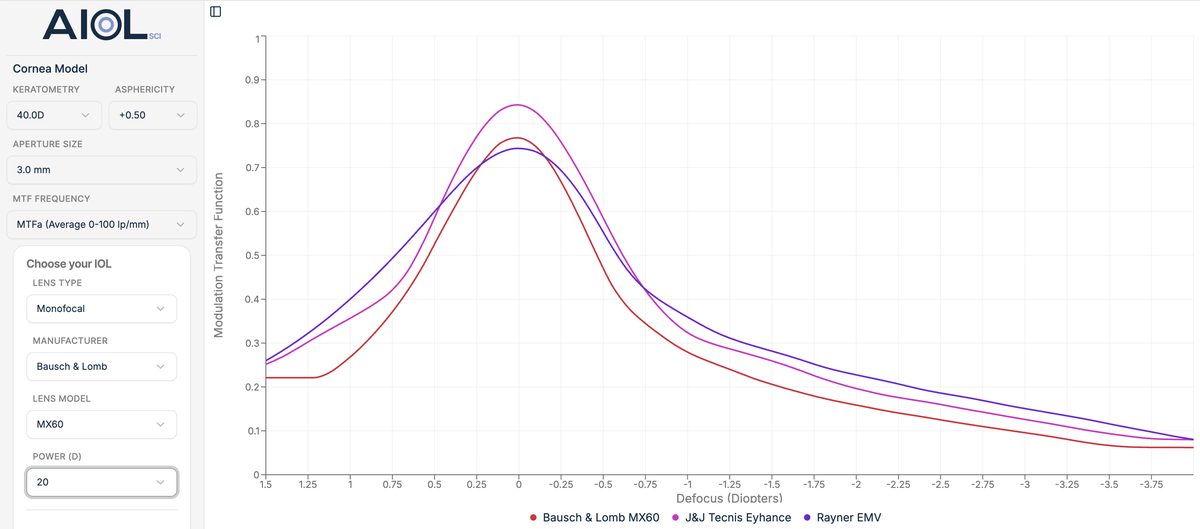
Presbyopia-Correcting IOLs After LASIK and PRK: Calculation, Optics and Selection
After LASIK: lower calculation accuracy, corneal SA that changes how the lens performs, and what bench data and case series show.
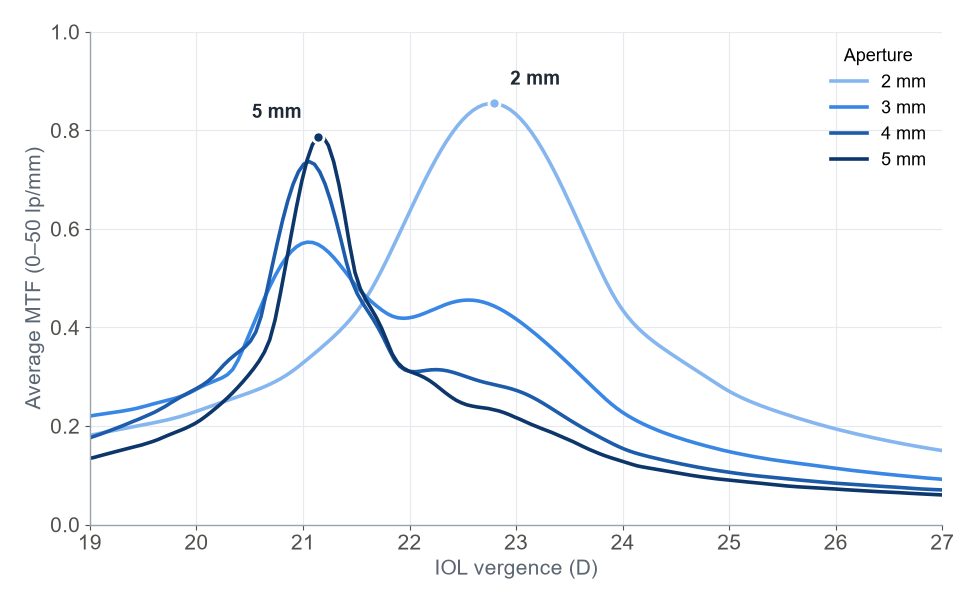
Pupil Size and Corneal Spherical Aberration: How They Change the Performance of Premium IOLs
168 model eyes and five premium lenses: how pupil size and corneal SA change IOL performance.
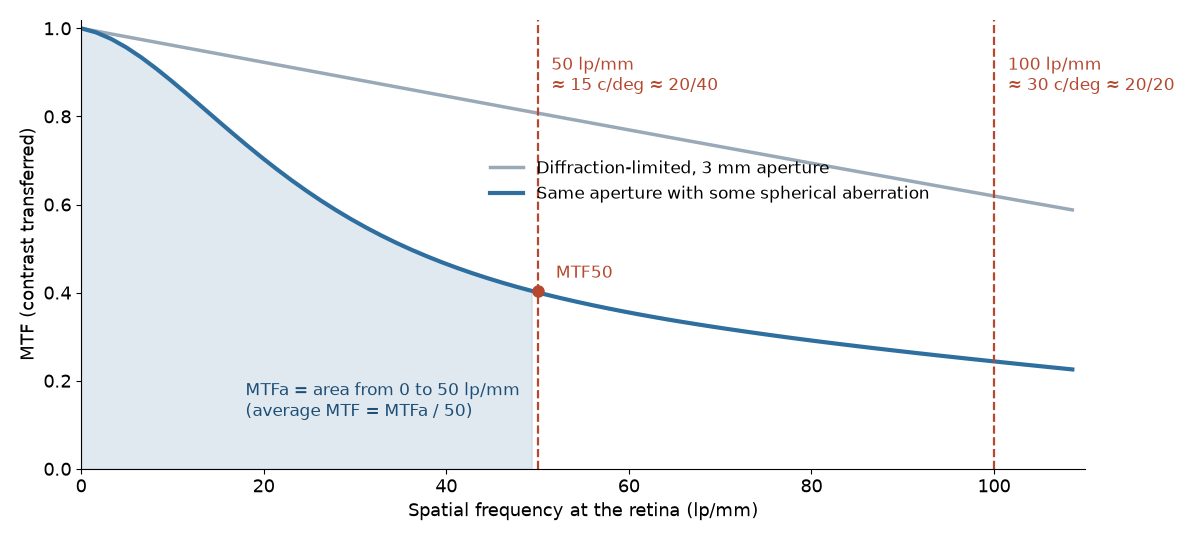
How to Read Optical Bench Data for Intraocular Lenses
MTF, MTFa, PSF and model eyes: what to look for in the fine print of an optical bench graph, and how it can mislead.
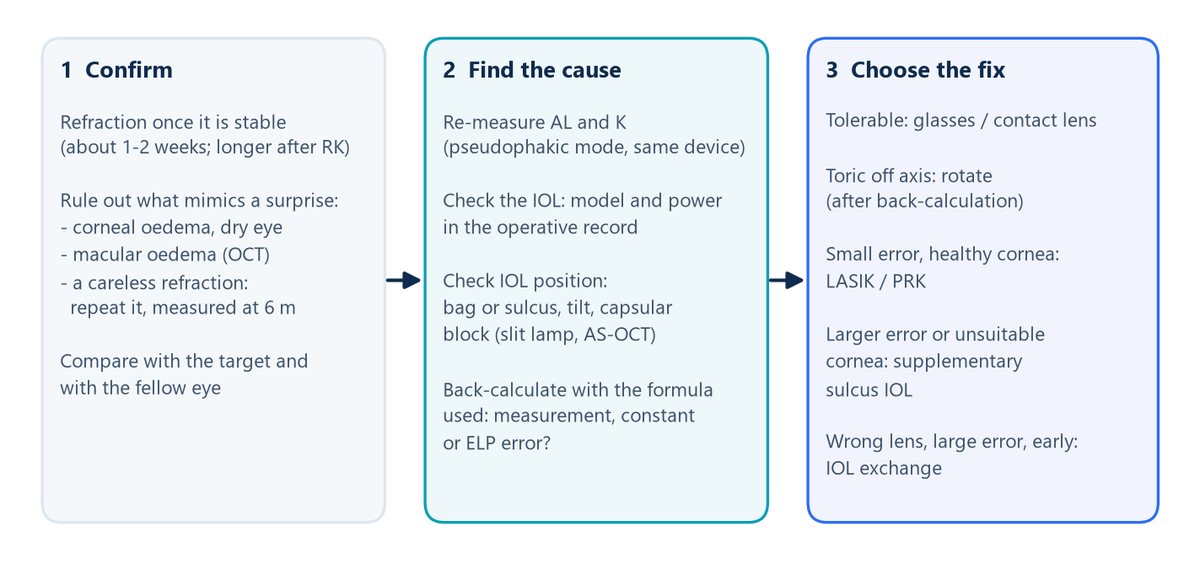
Refractive Surprise After Cataract Surgery: Workup and Management
Causes of refractive surprise, workup and back-calculation, timing, and laser versus an add-on lens, IOL exchange and toric lens rotation.
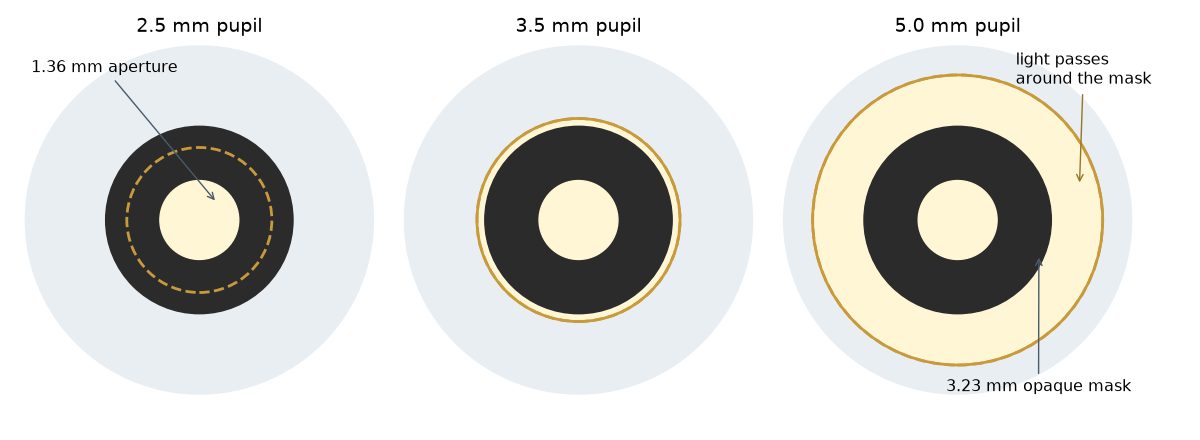
Small-Aperture IOLs: The Pinhole Principle, the Evidence and Who They Suit
Pinhole lenses: depth of focus at the cost of light. Evidence, irregular corneas, retina and YAG, and patient selection.
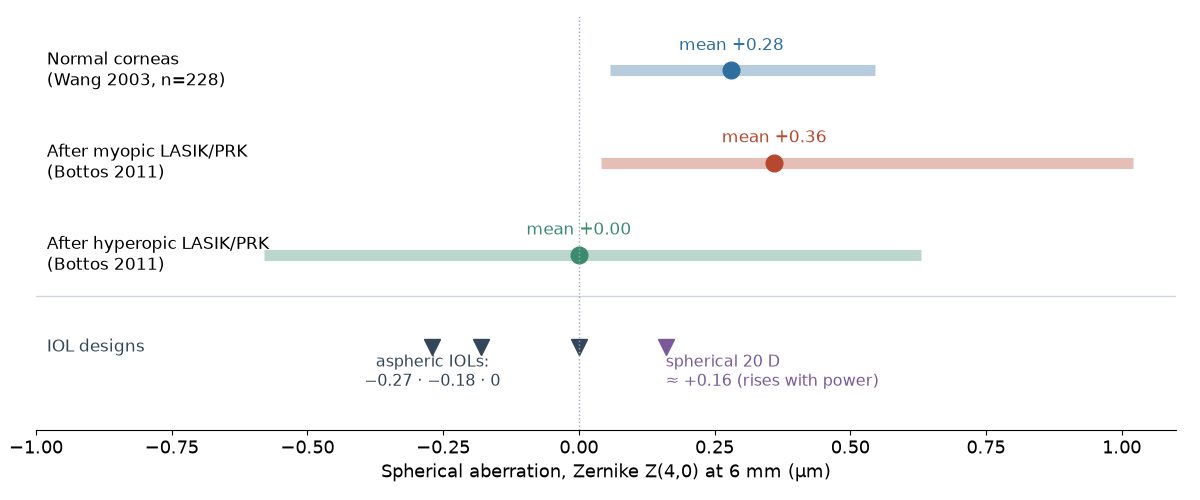
Spherical Aberration: What You Need to Know to Choose an IOL
Corneal and lens SA, residual SA versus depth of field, pupil dependence and practical lens selection.
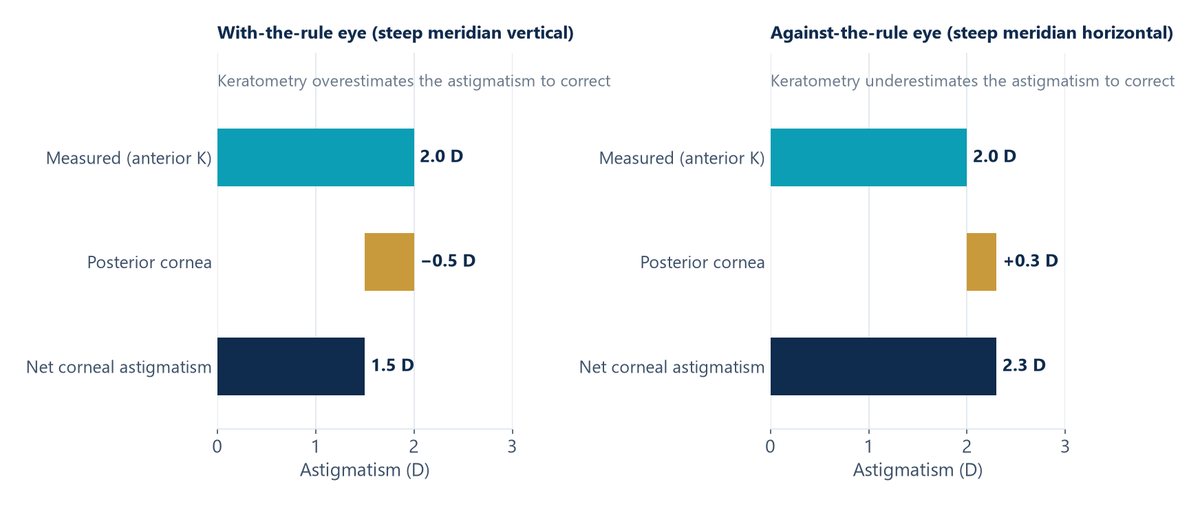
Toric IOL Calculation: From the Posterior Cornea to Re-Rotation
Posterior cornea, nomograms versus measurement, toric calculators, centroid SIA, marking, re-rotation and analysis of residual astigmatism.
Vision Correction: Laser and Lenses
Who is suitable, LASIK, PRK, SMILE, ICL, lens exchange, risks and recovery.
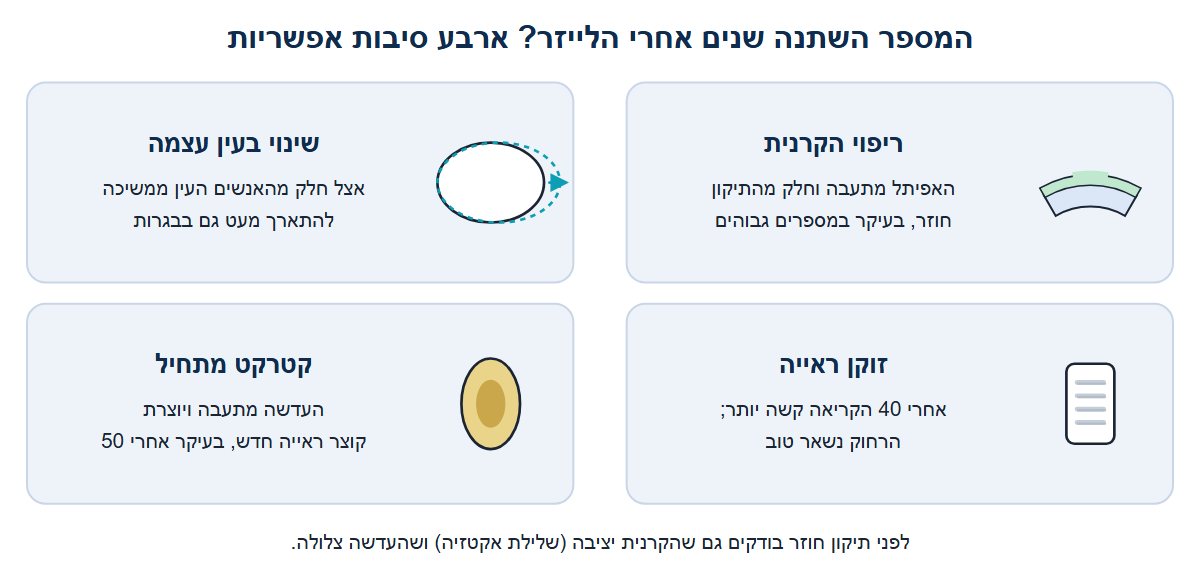
Has Your Prescription Come Back After Laser Eye Surgery? The Causes, and When an Enhancement Is Possible
Why the prescription comes back after laser surgery, when and how an enhancement is done, and what is important to know about cataract surgery after laser surgery.
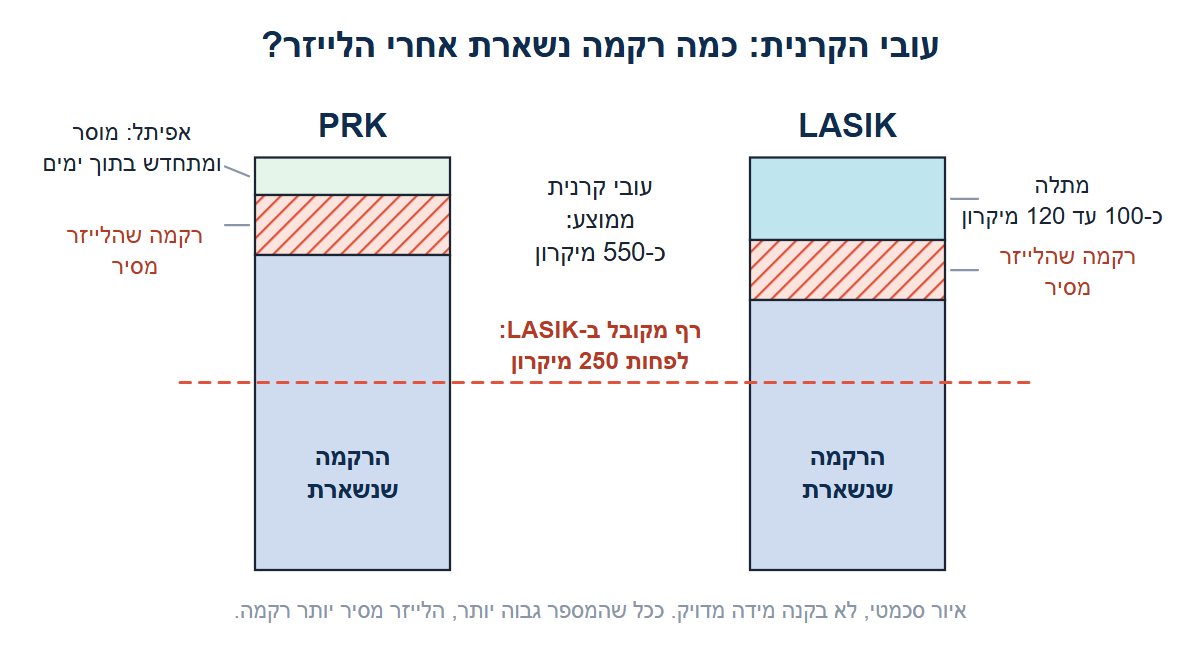
Who Is a Candidate for Laser Vision Correction? Suitability Criteria and Tests
Age, a stable prescription, corneal thickness, keratoconus, dry eye and pregnancy: who is suitable for laser eye surgery, and what the suitability evaluation includes.
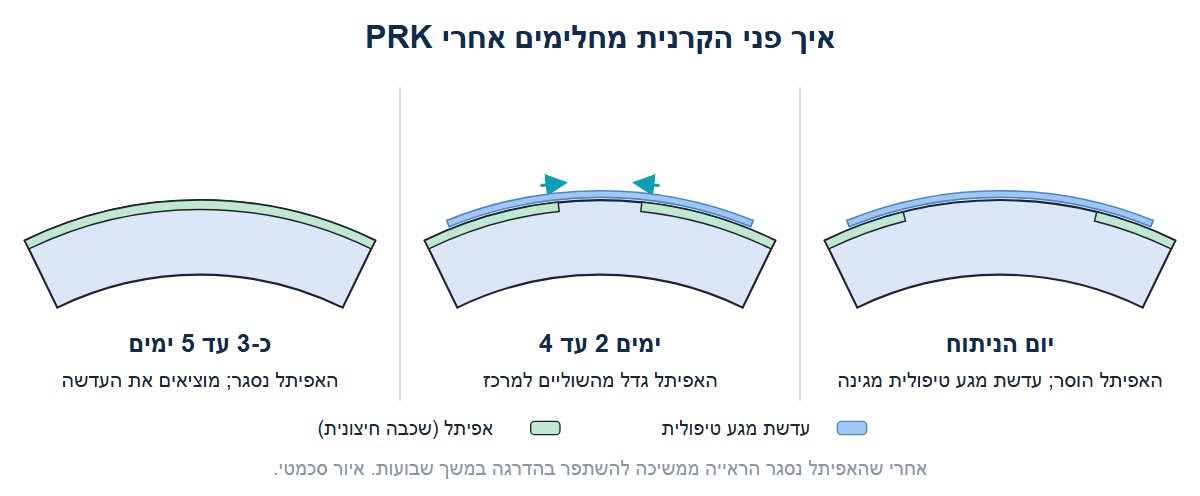
Recovery After Laser Eye Surgery: What to Expect After LASIK and After PRK
What to expect day by day after LASIK and PRK: vision, pain, drops, work, driving, sports, swimming and makeup.
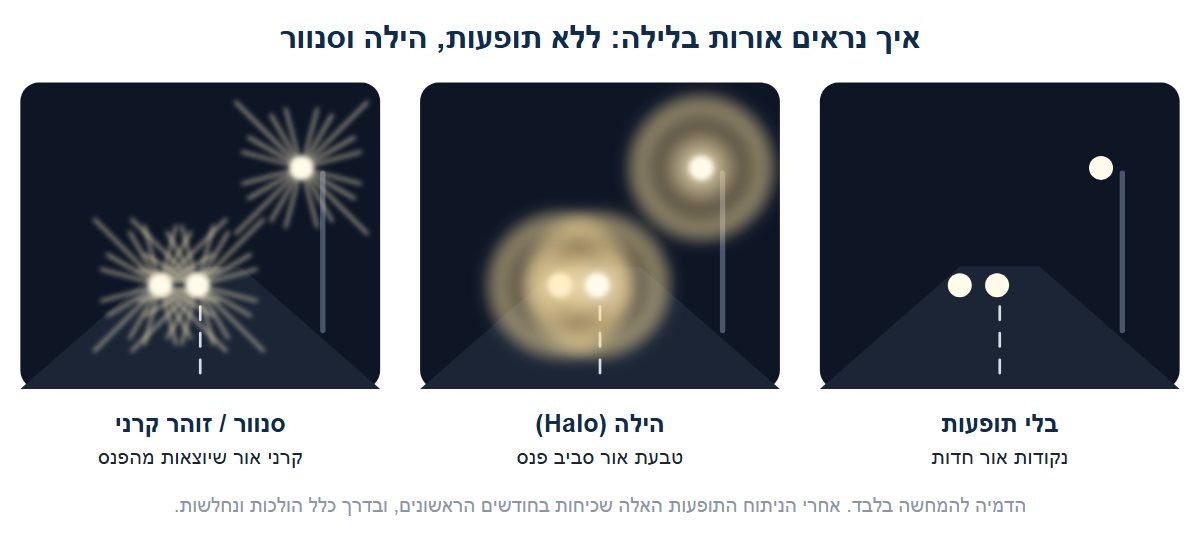
Risks and Side Effects of Laser Eye Surgery, in Numbers
Dry eye, halos at night, a residual prescription, the flap, haze, infection and ectasia: the risks of laser eye surgery in numbers, and when to seek care.
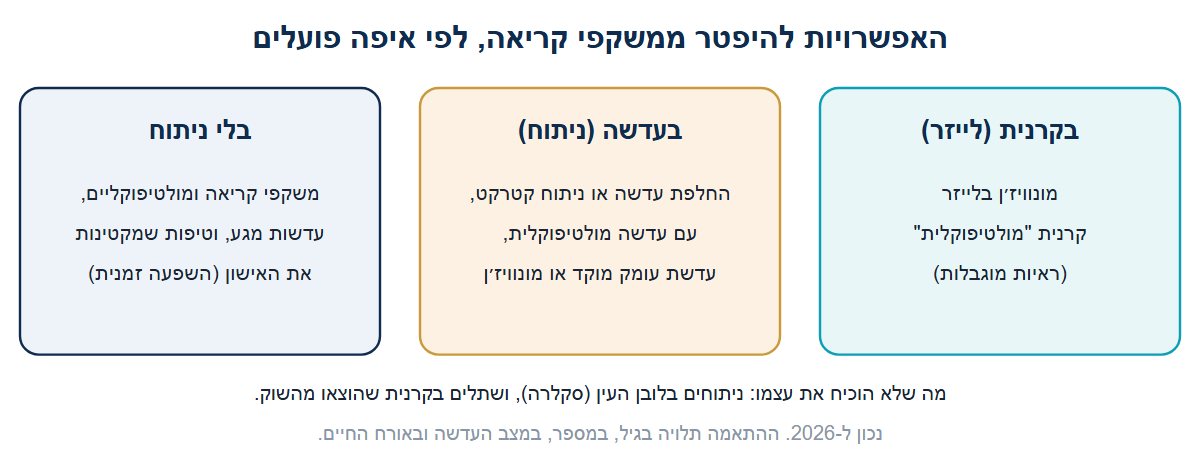
Getting Rid of Reading Glasses After Age 40: The Options, and What Really Works
Laser monovision, PresbyLASIK, lens exchange with a multifocal or EDOF lens, and drops: what works for presbyopia and what the drawbacks are.
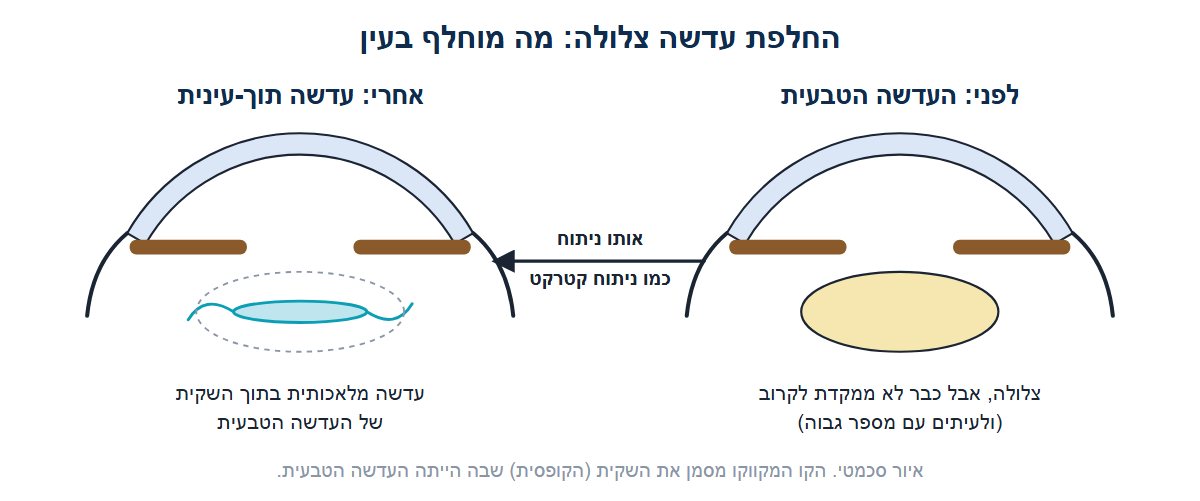
Refractive Lens Exchange (RLE): Who It Suits, and What the Drawbacks Are
Cataract surgery before the cataract: who lens exchange suits, which lenses are available, the risks, and how it compares with laser surgery and ICL.
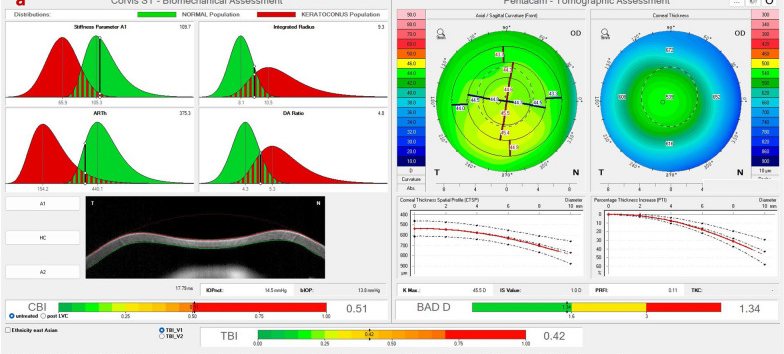
Ectasia Screening Before Corneal Laser Surgery: What Works and What the Limitations Are
Ectasia screening: the ERSS and its limitations, PTA, tomography, epithelium, biomechanics, artificial intelligence and the approach to the borderline eye.
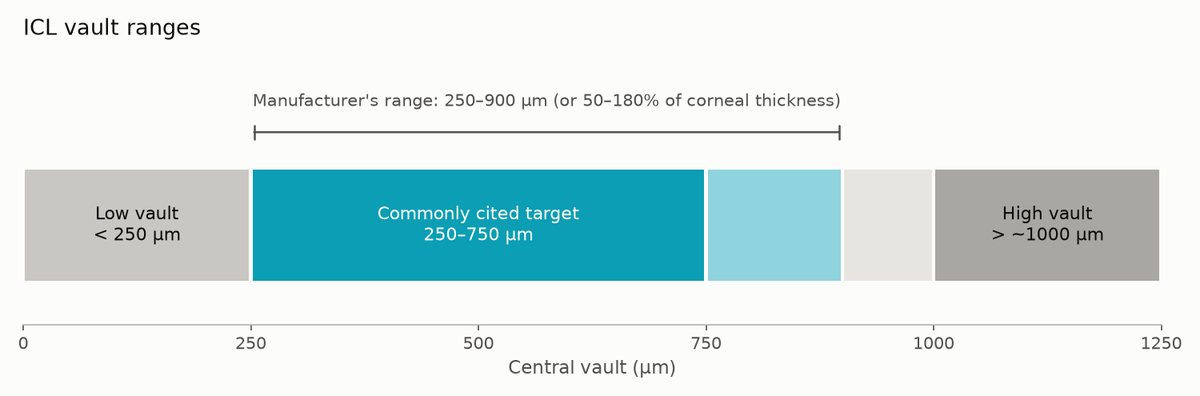
ICL Sizing and Vault: Methods, Formulas and What to Do When It Does Not Work Out
ICL size and vault: WTW, UBM, NK and KS, target range, low and high vault, the central port, rotation and exchange.
Vision, Glasses and the Optics of the Eye
Nearsightedness, farsightedness, astigmatism, reading glasses and corneal maps.

Astigmatism: When the Cornea Is Not Perfectly Round
Why the cornea is shaped like a rugby ball, what CYL and AXIS mean, how astigmatism changes with age, and the toric lens in cataract surgery.
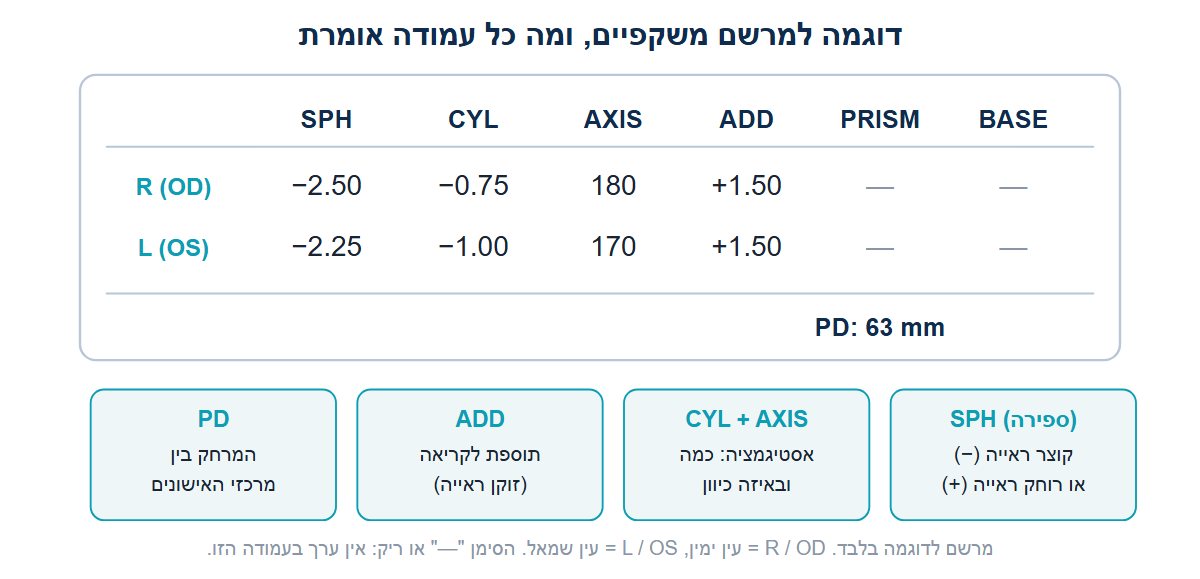
How Do You Read a Glasses Prescription? SPH, CYL, AXIS, ADD and PD in Plain Language
What SPH, CYL, AXIS, ADD and PD mean, the difference between plus and minus, and why a contact lens prescription differs from a glasses prescription.
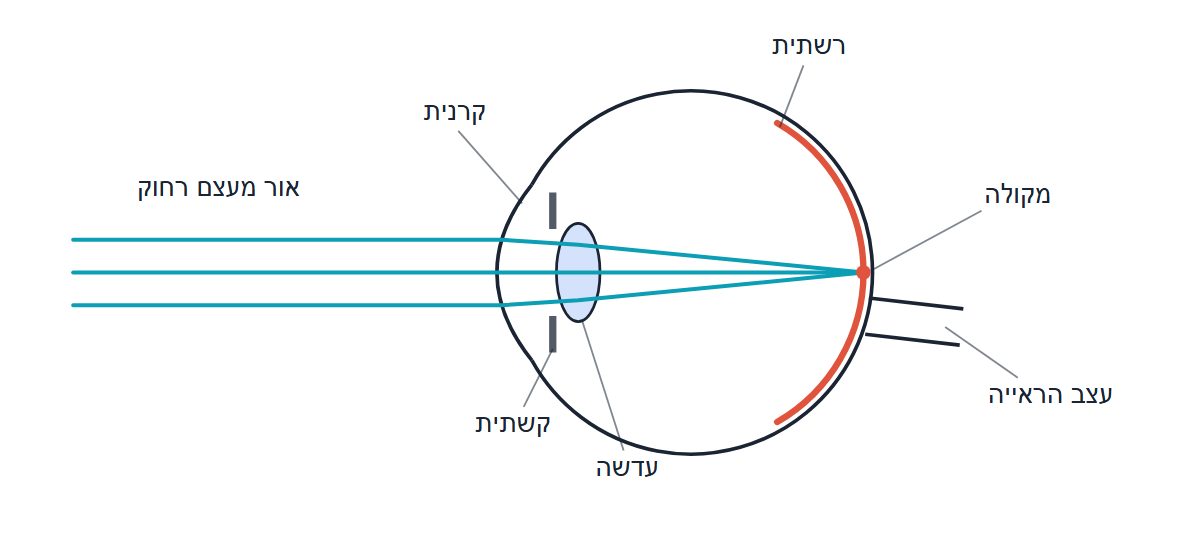
How Does the Eye See? The Optics of the Eye in Plain Language
Cornea, lens, pupil and retina: how the eye focuses light, what a diopter is and where refractive errors come from.
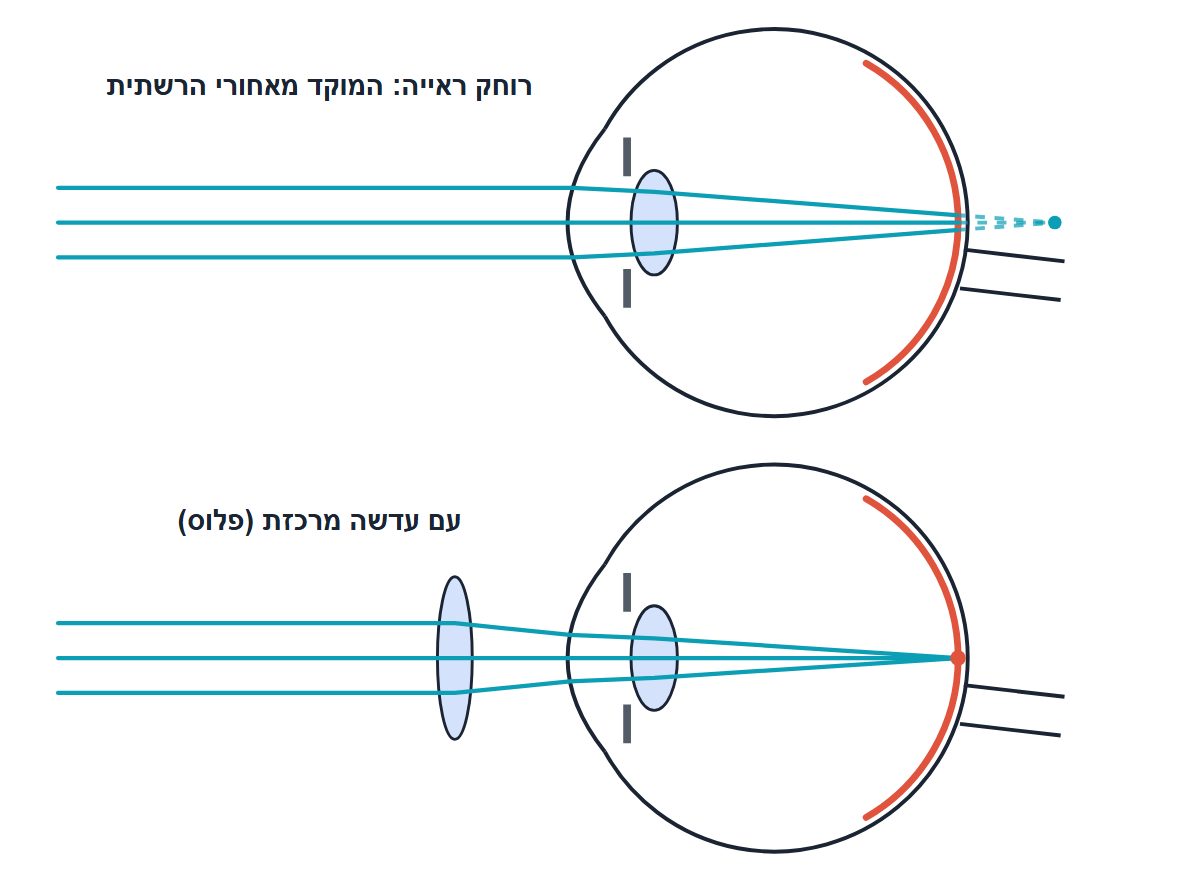
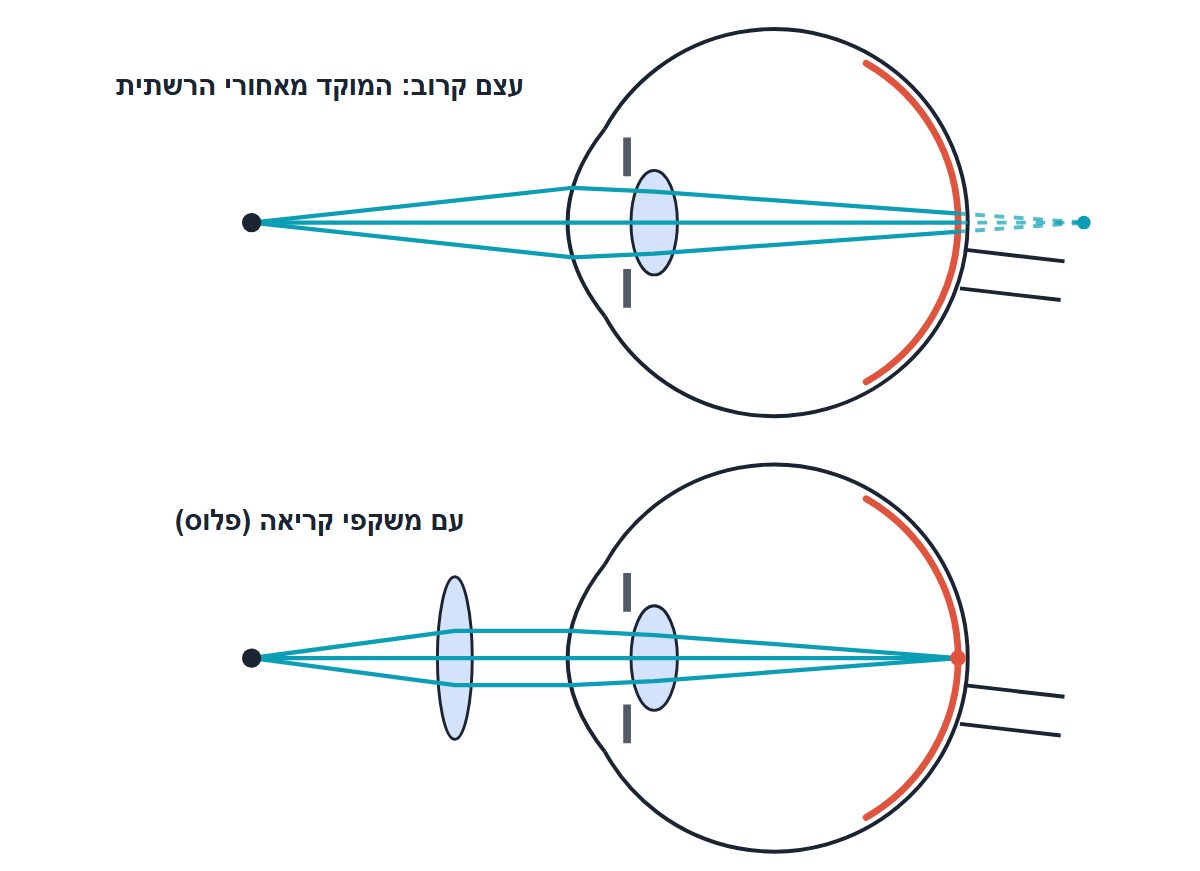
Farsightedness (Hyperopia): When the Eye Works Too Hard
Why the eye strains, how farsightedness differs from presbyopia, the ways to correct it, and the link to angle-closure glaucoma.
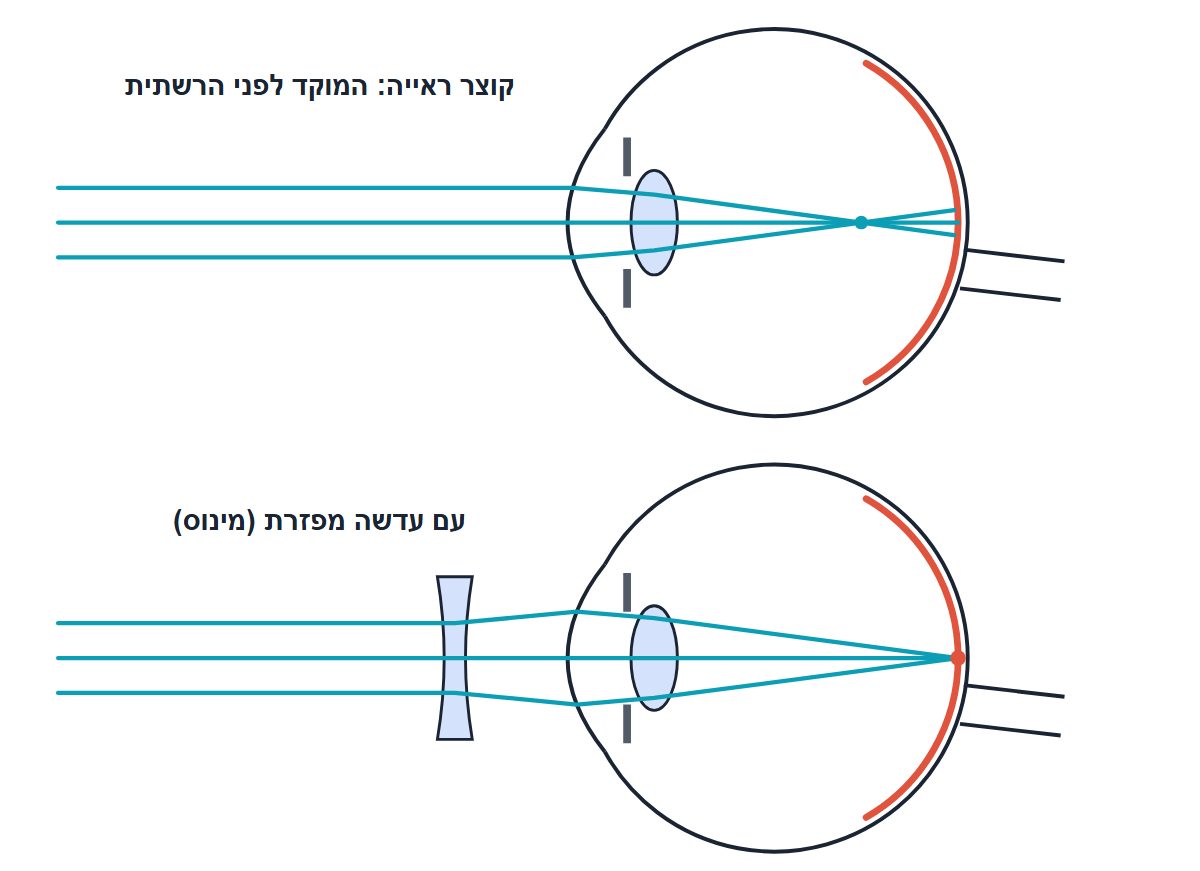
Nearsightedness (Myopia): What It Is, and How It Is Corrected in Adults
Why distance is blurry, what the minus number means, glasses, contact lenses, laser and ICL, and why high myopia calls for retinal exams.
Presbyopia: Why Reading Up Close Gets Harder After Age 40
Why we hold the phone farther away after age 40, and what the options are: reading glasses, contact lenses, monovision, and multifocal and EDOF lenses.
Cornea and Eye Surface
Keratoconus, corneal cross-linking, dry eye, blepharitis, contact lenses and pinguecula.
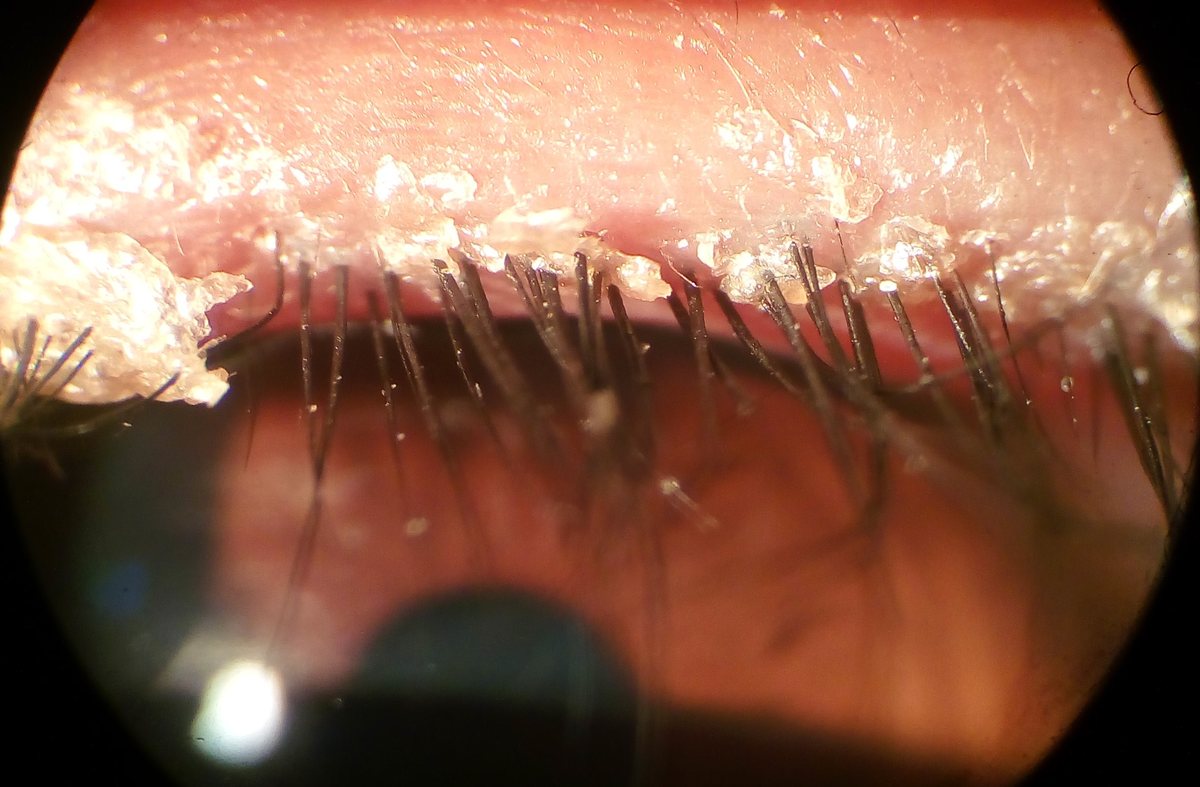
Blepharitis (Eyelid Inflammation): What It Is and How It Is Treated
Itching, burning and flakes on the eyelashes: the types of inflammation, eyelid hygiene step by step, Demodex and chalazion.
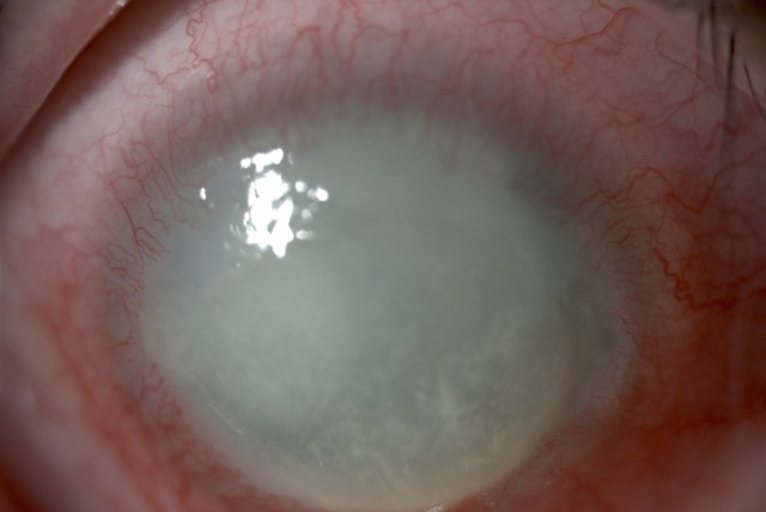
Contact Lens Safety: The Real Risks and the Rules That Matter
The real risk of infection by lens type and habits, the rules that matter, warning signs and stopping lens wear before surgery.
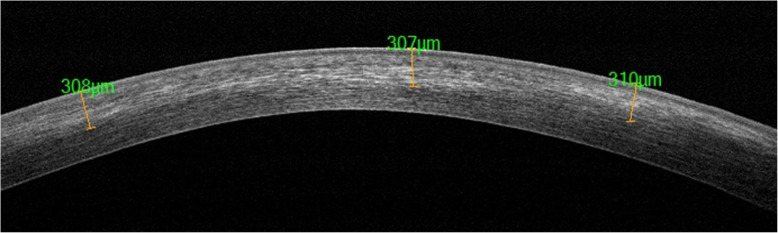
Corneal Cross-Linking (CXL): The Treatment That Halts Keratoconus
The treatment that halts keratoconus: who needs it, epi-off versus epi-on, recovery, risks and long-term results.
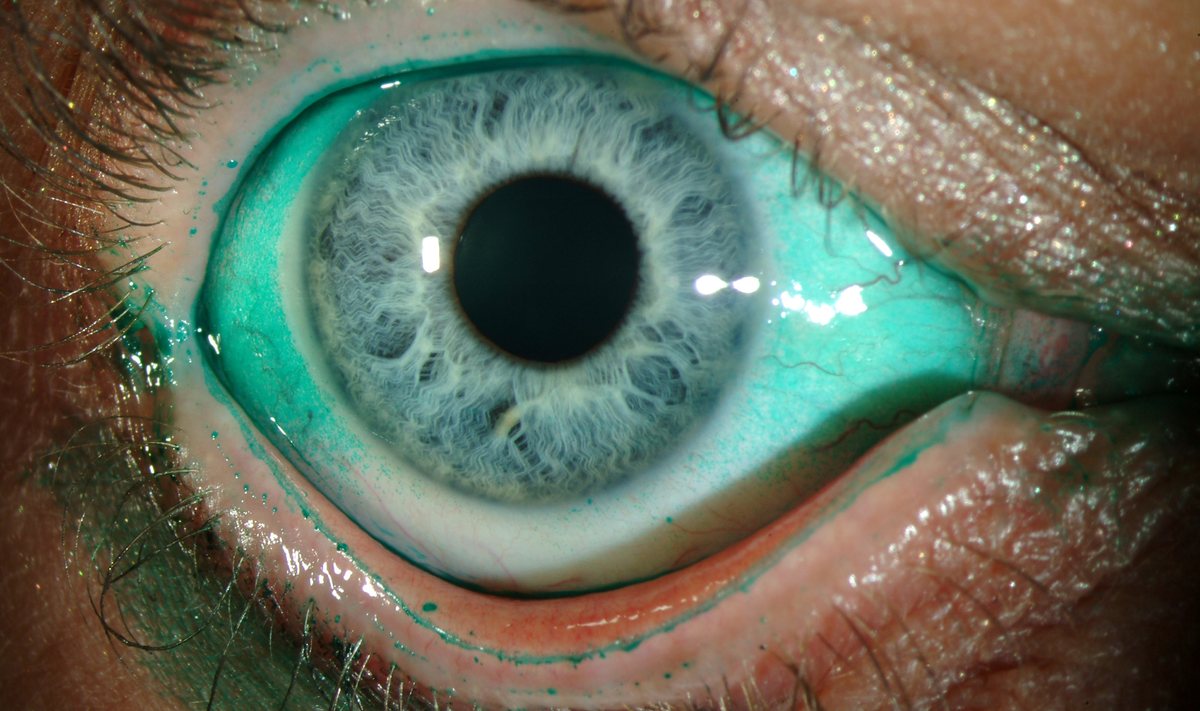
Dry Eye: Why It Happens and How It Is Treated
Burning, a sandy feeling and fluctuating vision: the types of dry eye, the tests, and step-by-step treatment according to the international guidelines.
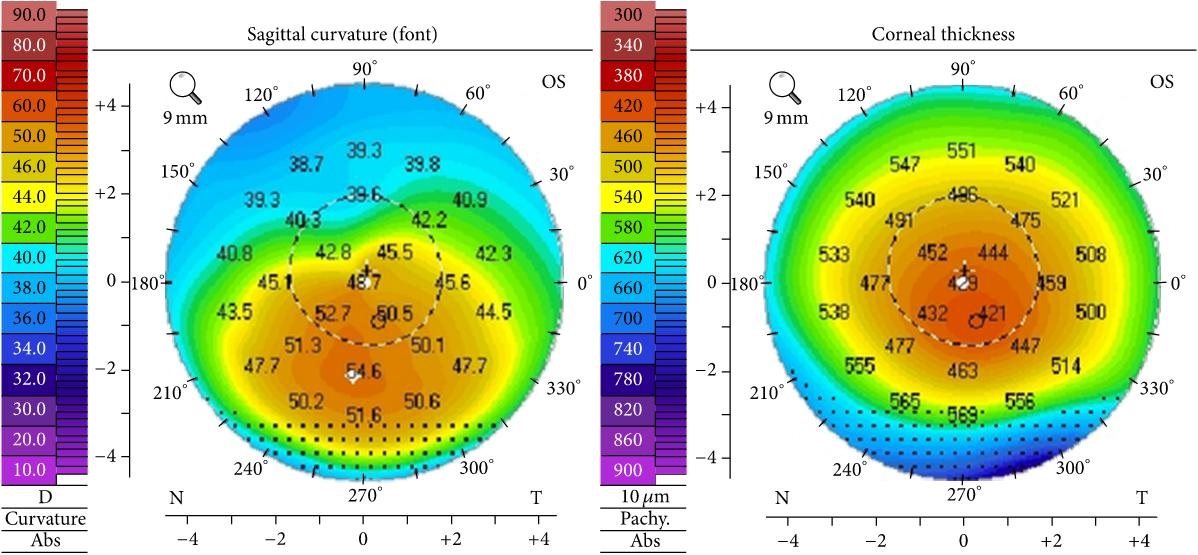
Keratoconus (Cone-Shaped Cornea): Symptoms, Diagnosis and Treatment Options
A cornea that thins and bulges into a cone shape: symptoms, who is at risk, corneal mapping, specialty lenses and cross-linking.
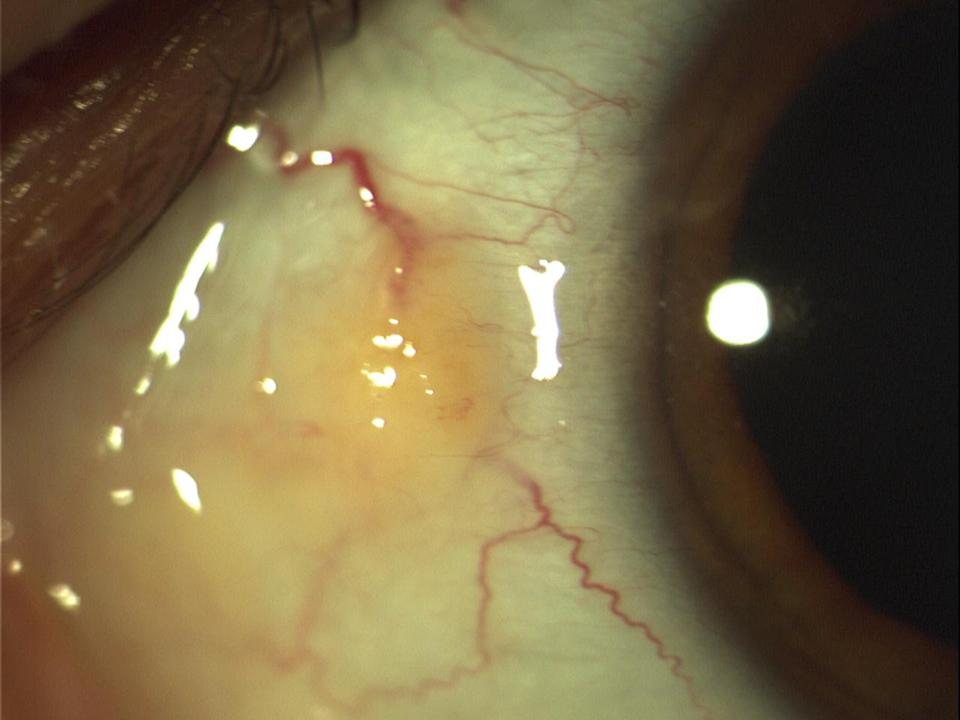
Pinguecula and Pterygium: What Is the Difference and When Is Treatment Needed?
A yellowish bump on the white of the eye: pinguecula versus pterygium, what causes them, pingueculitis and when surgery is done.
The Eye and Eye Exams
The anatomy of the eye and what happens at an eye exam.
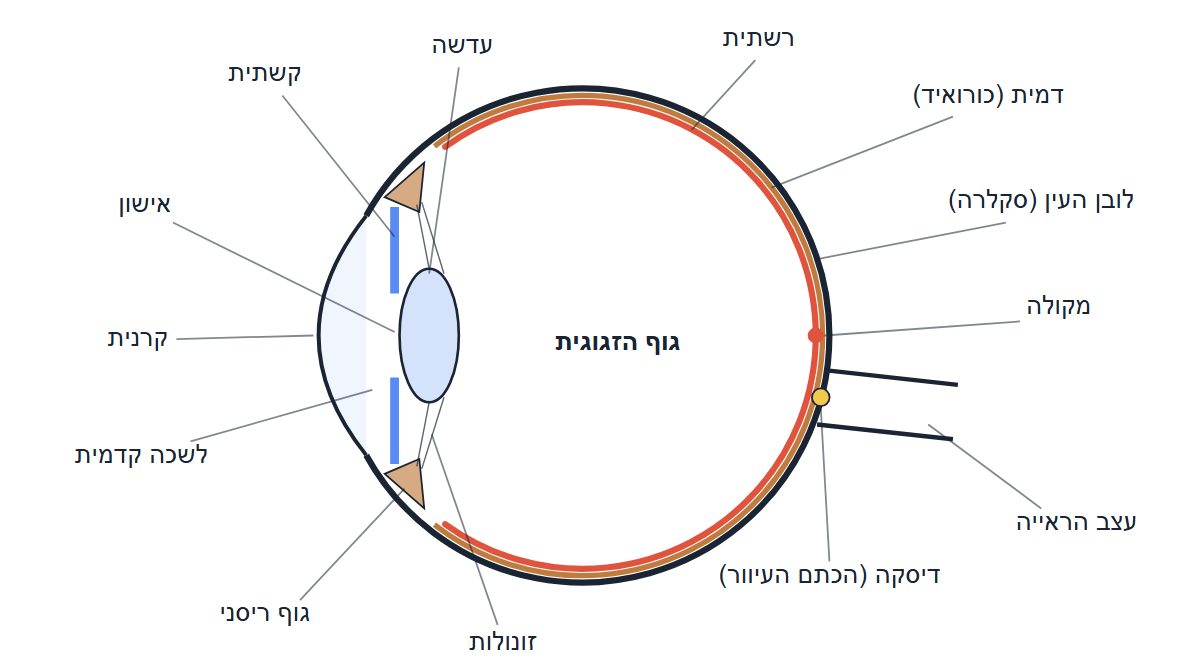
Eye Anatomy: A Guide to the Structure of the Eye, Part by Part
Eye socket, muscles, eyelids and tears, cornea, lens, vitreous, retina and optic nerve: what each part of the eye does.
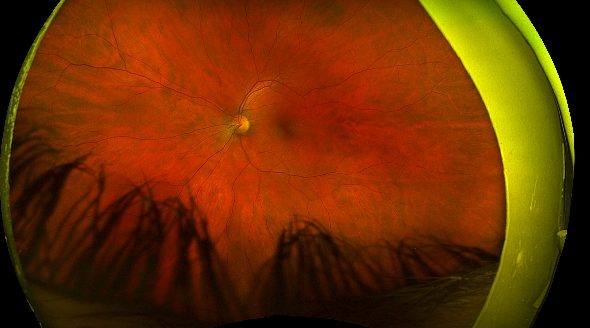
Eye Exam: What Happens and How to Prepare
Visual acuity, prescription, slit lamp, eye pressure, pupil dilation and retinal exam: step by step, and what to bring to the exam.
Research and Technology
Optics inspired by nature.
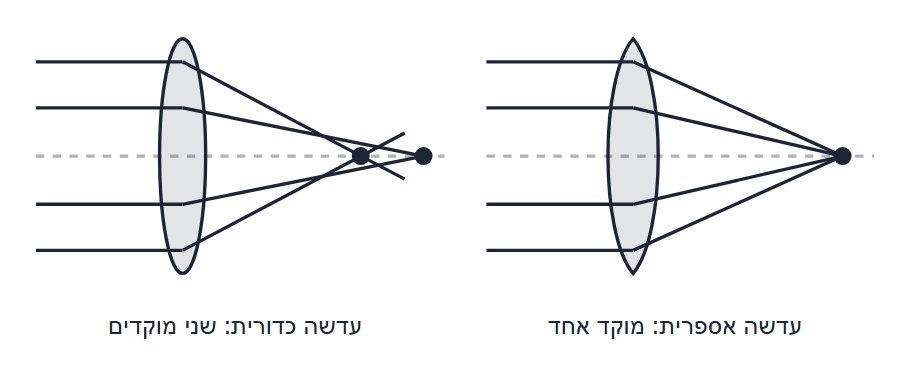
Dr. Stern's Publications
Summaries of the scientific papers he has published, with a link to the full paper.
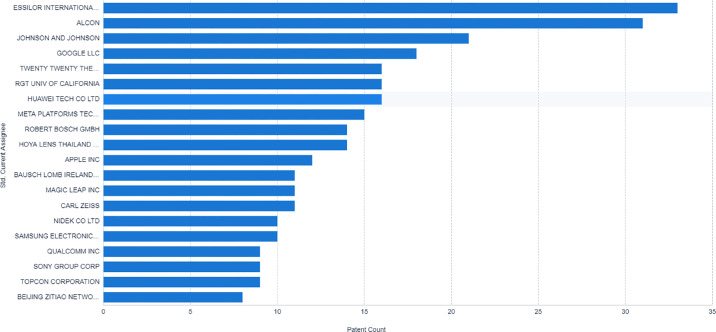
Ophthalmology Patents: What the 2024 Catalog Shows
1,393 international patent applications in the field of the eye and vision in 2024: who files them, in which fields, and what this does not tell us.
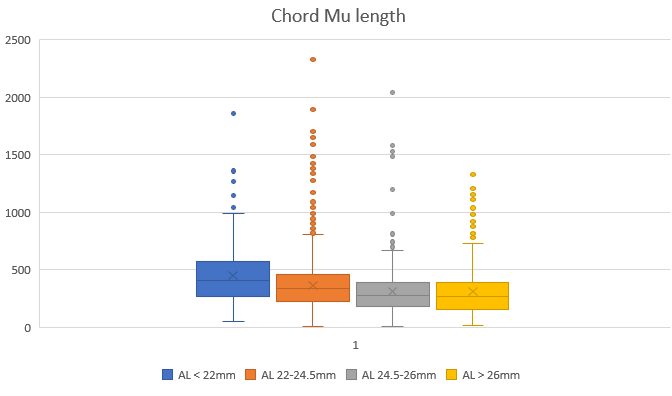
Chord Mu and Angle Alpha: What Affects Them, and Why It Matters for Multifocal Lenses
A study of 2,415 eyes: chord mu and angle alpha are higher in hyperopes, and chord mu increases with pupil dilation.

Paper Waste from IFU Leaflets in Cataract Surgery, and the Move to Electronic Instructions for Use
153 tons of paper a year from lens leaflets in Europe and the United States, and a possible 84% saving by moving to electronic instructions for use.
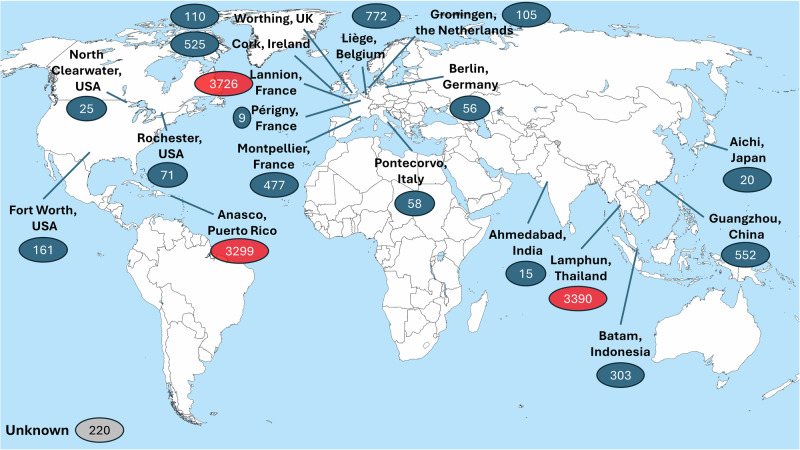
Intraocular Lenses: The Footprint of Packaging and Shipping, and Which Lenses Are Actually Implanted
Shipping emissions differ 12-fold between lens models, and only 7.4% of lenses are toric: a study of 13,894 implantations.
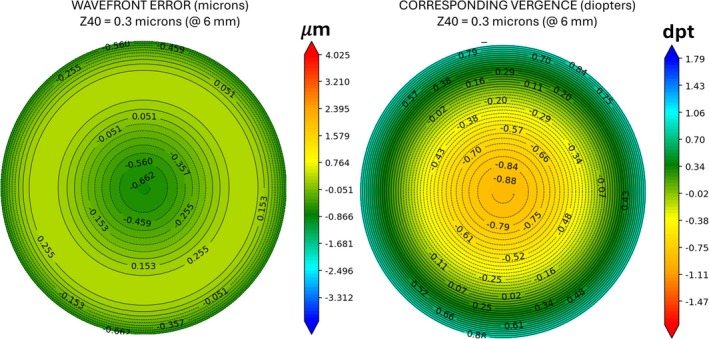
Presbyopia Correction in Lens Replacement Surgery: What Can Be Offered, and the Trade-Offs of Each Option
Monovision, EDOF, multifocal, mix-and-match and add-on lenses: the benefits and compromises of each way of correcting presbyopia.
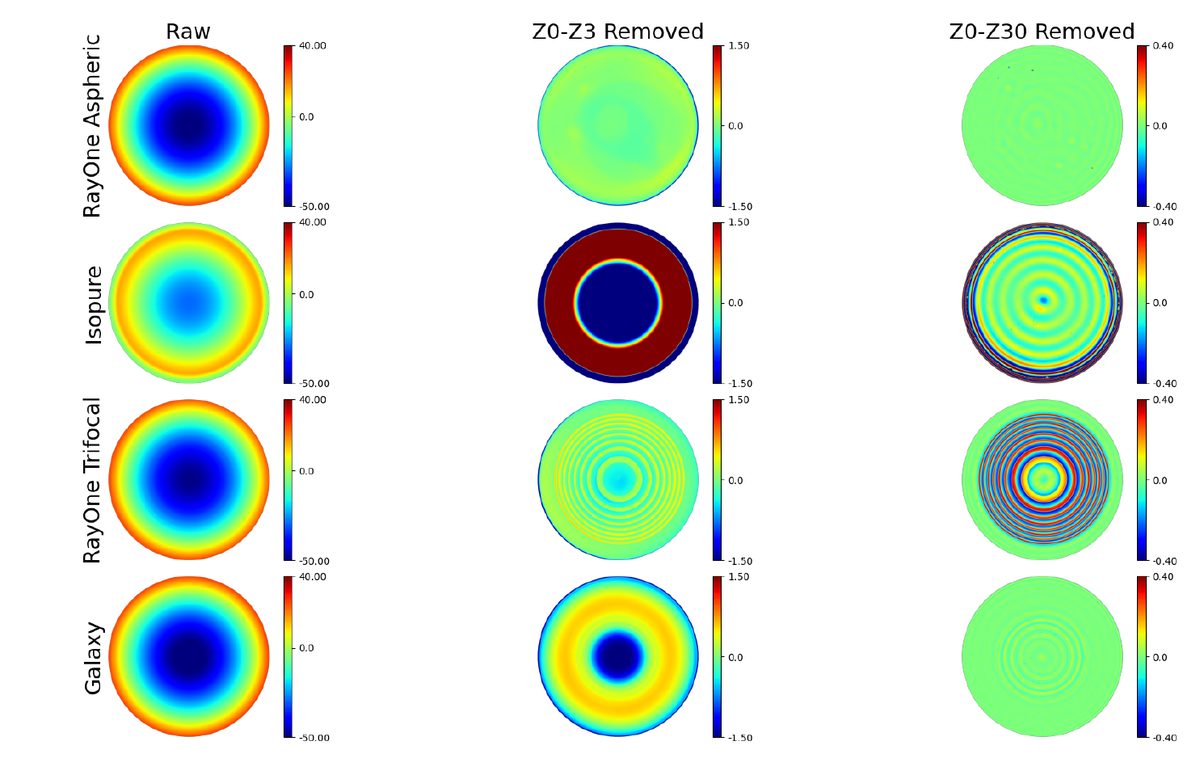
RayOne Galaxy: What Really Creates the Depth of Field of the Spiral Lens?
Interferometric characterization of the spiral lens: a continuous focal range of about 2.5–3.0 D, and what really creates it.
Would you like to consult Dr. Stern?
A consultation at Hadassah Ein Kerem or in Beit Shemesh, through the Hadassah Sharap clinic.
Call Hadassah Sharap: 02-677-8899 All contact details