
Cataract Surgeon in Jerusalem: Dr. Benjamin Stern
English-speaking senior cataract and refractive surgeon in the Department of Ophthalmology at Hadassah Ein Kerem Medical Center, fellowship-trained in cataract and refractive surgery in Paris, and named one of the world's six "Rising Stars" in cataract surgery on The Ophthalmologist's Power List 2025. Surgery is performed at Hadassah Ein Kerem and at the Hadassah Beit Shemesh center.
- Senior physician, Hadassah Ein Kerem
- Cataract & refractive fellowship, Paris
- ISRS RefracTech Innovator Award 2026
- 56 reviews · 4.96/5 on MedReviews
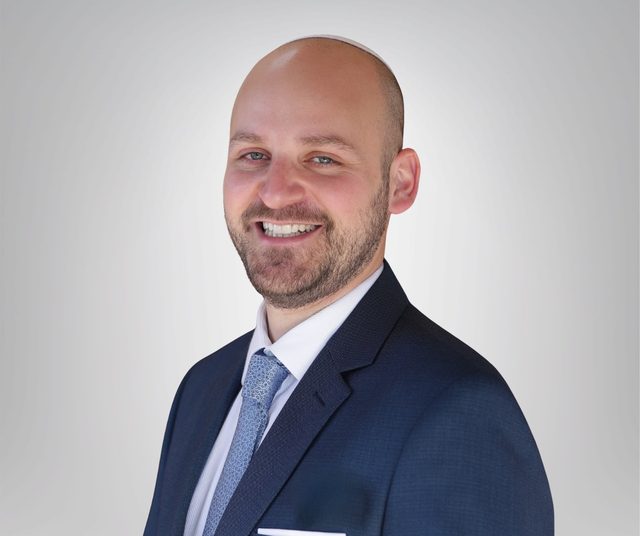
Why choose Dr. Stern as your cataract surgeon in Jerusalem
Experience and up-to-date expertise
Senior physician and cataract & refractive surgeon at Hadassah Ein Kerem, after a fellowship at the Rothschild Foundation Hospital in Paris under Prof. Damien Gatinel, one of the world's leading figures in the field.
Intraocular lens expertise
Founder and head of the Biomedical Optics Research Laboratory at Hadassah, which studies and measures intraocular lenses, and co-founder of AIOLsci, a platform for objective, personalised lens selection.
Advanced technology
Femtosecond laser-assisted cataract surgery (FLACS), available at Hadassah, for high precision in the surgical steps, and phacoemulsification through a tiny, sutureless incision.
Personal care
A full explanation before surgery, close follow-up afterwards and written recovery instructions. Care is provided in English, Hebrew and French.
How cataract surgery is performed at Hadassah
Cataract surgery is the most common operation in medicine and one of the safest. The clouded natural lens is removed and replaced with a clear intraocular lens (IOL), chosen in advance to suit the eye and the patient's visual needs.
Cataract surgery at Hadassah Medical Center — footage from the operating room.
- Local anaesthesiaAnaesthetic drops and gel, sometimes with a mild anaesthetic inside the eye. You are awake and feel no pain.
- A tiny incisionAn incision of about 2–3 mm at the edge of the cornea, which seals itself at the end of surgery without stitches.
- Removing the clouded lensA round opening is made in the lens capsule and the lens is broken up with ultrasound (phacoemulsification) using the chopping technique, with minimal energy to protect the eye's tissues.
- Implanting the new lensA foldable intraocular lens is injected through the same incision and unfolds in place of the natural lens.
- Finishing and going homeAntibiotic and anti-inflammatory drops are applied, and you go home the same day with written instructions.
Laser cataract surgery (FLACS)
In femtosecond laser-assisted cataract surgery, a computer-guided laser performs the opening of the lens capsule and the initial fragmentation of the nucleus with great precision, before the phacoemulsification stage. The technology is available at Hadassah Medical Center, and Dr. Stern recommends it: it adds precision to the key steps of the operation and reduces the ultrasound energy needed inside the eye. Laser cataract surgery — what’s the difference and who is it for →
Choosing the intraocular lens — what makes the surgery personal
Modern cataract surgery is also refractive surgery: the implanted lens determines how you will see afterwards and how much you will depend on glasses. The choice is made together, based on your measurements, the health of the eye and your lifestyle.
Monofocal lens
A single sharp focus, usually for distance; reading glasses for near. The traditional, reliable option.
Toric lens
Corrects significant corneal astigmatism for sharper distance vision without glasses.
Multifocal / trifocal lens
Several focal points — distance, intermediate and near — to substantially reduce dependence on glasses.
EDOF lens
Extended depth of focus: continuous distance and intermediate vision with fewer halos than a multifocal.
What is special at Hadassah: in the Biomedical Optics Research Laboratory, Dr. Stern measures the real optical properties of intraocular lenses, and his research on the subject has been published in leading journals. That experience is used to choose the lens that best suits each eye, not just a general category. A full comparison of lens types →
Your pathway: from the first examination to your new vision
- Consultation and comprehensive examinationA conversation about your visual difficulties and lifestyle, a visual acuity test, slit-lamp examination and a dilated examination of the back of the eye, to confirm that the cataract is indeed the cause and that surgery will help.
- Biometry and personal planningPrecise measurement of the eye's length and corneal curvature, lens power calculation with advanced formulas, and choosing the lens type and refractive target together with you.
- The surgeryAt Hadassah Ein Kerem Medical Center or the Hadassah Beit Shemesh center. Usually one eye at a time, about one to two weeks apart.
- Recovery and follow-upA noticeable improvement in vision within 24–48 hours; drops for about four weeks; vision stabilises within 3–4 weeks. Drop schedule and post-operative instructions →
Who performs the surgery
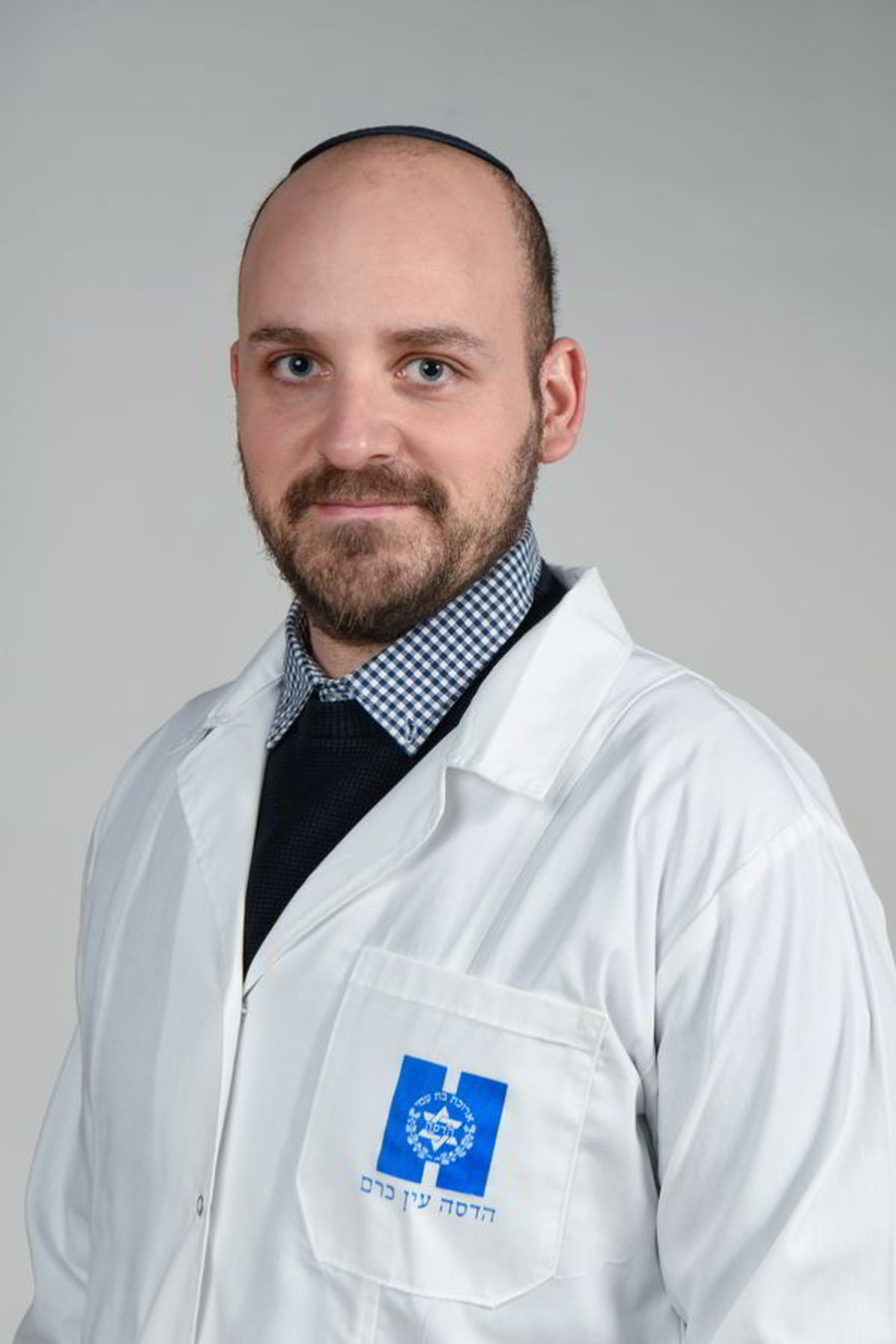
Dr. Benjamin Stern is a senior physician and cataract & refractive surgeon in the Department of Ophthalmology at Hadassah Ein Kerem Medical Center and a lecturer at the Hebrew University Faculty of Medicine. He founded and heads the Biomedical Optics Research Laboratory at Hadassah and is co-founder of AIOLsci, winner of the 2026 RefracTech Innovator Award of the International Society of Refractive Surgery (ISRS).
- MD, Hebrew University of Jerusalem
- Residency in ophthalmology, Hadassah Ein Kerem (2017–2022)
- Cataract & refractive fellowship, Rothschild Foundation Hospital, Paris (2023–2024)
- Senior physician, cataract & refractive surgeon, Hadassah Ein Kerem (2025–present)
- The Ophthalmologist Power List 2025 — "Rising Star" in cataract surgery
What patients say
56 verified patient reviews on MedReviews, with an average rating of 4.96 out of 5.
Read all the reviews →Frequently asked questions when looking for a cataract surgeon in Jerusalem
How do I choose a cataract surgeon in Jerusalem?
A few things are worth checking: training and fellowship in cataract and refractive surgery, experience with cataract surgery and with the different lens types (toric, multifocal, EDOF), the technology available — including laser-assisted surgery — and whether the surgeon explains things clearly and follows you through the whole process. Verified patient reviews help too. Dr. Stern is a senior physician at Hadassah Ein Kerem, fellowship-trained in Paris, with 56 reviews rated 4.96 out of 5.
How do I book an appointment for cataract surgery with Dr. Stern?
Consultations are booked through the Sharap (private service) clinic of Hadassah Medical Center, by phone at 02-677-8899, in Ein Kerem or Beit Shemesh. At the first visit a comprehensive examination is performed, and if surgery is indicated, it is planned together.
Where is the surgery performed?
Surgery is performed at Hadassah Ein Kerem Medical Center in Jerusalem and at the Hadassah Beit Shemesh center, which operates as a branch of Hadassah Ein Kerem.
Does cataract surgery hurt?
No. The surgery is performed under local anaesthesia with drops and gel, sometimes with mild sedation. You may feel gentle pressure or cool fluid, but no pain. You go home the same day.
When will I see well after surgery?
Most patients notice a marked improvement within 24–48 hours. Vision usually stabilises within 3–4 weeks, after which new glasses can be fitted if needed. Drops are used for about four weeks according to a tapering schedule.
Is laser cataract surgery available at Hadassah?
Yes. Hadassah Medical Center has femtosecond laser technology for cataract surgery (FLACS), and Dr. Stern recommends it for the precision it adds to the key steps of the operation. Whether it suits your eye is checked at the consultation.
Which intraocular lens is right for me?
It depends on your eye measurements, the health of the eye and your lifestyle: a monofocal lens for sharp distance vision with reading glasses, a toric lens to correct astigmatism, or a multifocal/EDOF lens to reduce dependence on glasses. The choice is made together at the planning visit.
Are both eyes operated on the same day?
Usually one eye is operated on at a time, about one to two weeks apart, to confirm that the first eye has healed properly before the second operation.
In which languages is care provided?
Care is provided in English, Hebrew and French.
Is the operation covered by insurance?
In most cases, yes — through your health fund’s supplementary insurance or private health insurance, according to your policy. Dr. Stern’s clinic helps you obtain the funding approval. All about insurance & funding →
Ready to book a consultation?
Appointments for consultation and cataract surgery are booked through the Sharap clinic of Hadassah Medical Center (Ein Kerem or Beit Shemesh).
+972 2-677-8899