Dr. Benjamin SternOphthalmology
Cataract & Laser Surgeon · Jerusalem

Dr. Benjamin Stern — Cataract & Laser Surgeon in Jerusalem

Senior ophthalmologist in the Department of Ophthalmology at Hadassah Ein Kerem and Hadassah Beit Shemesh Medical Centers, specializing in cataract surgery and laser vision correction (LASIK, PRK), with personal, precise care for every patient.

Personal care tailored to every patient
Advanced laser technology
Researcher and lecturer, Hebrew University
Named one of the world's 6 Rising Stars in cataract surgery ↗
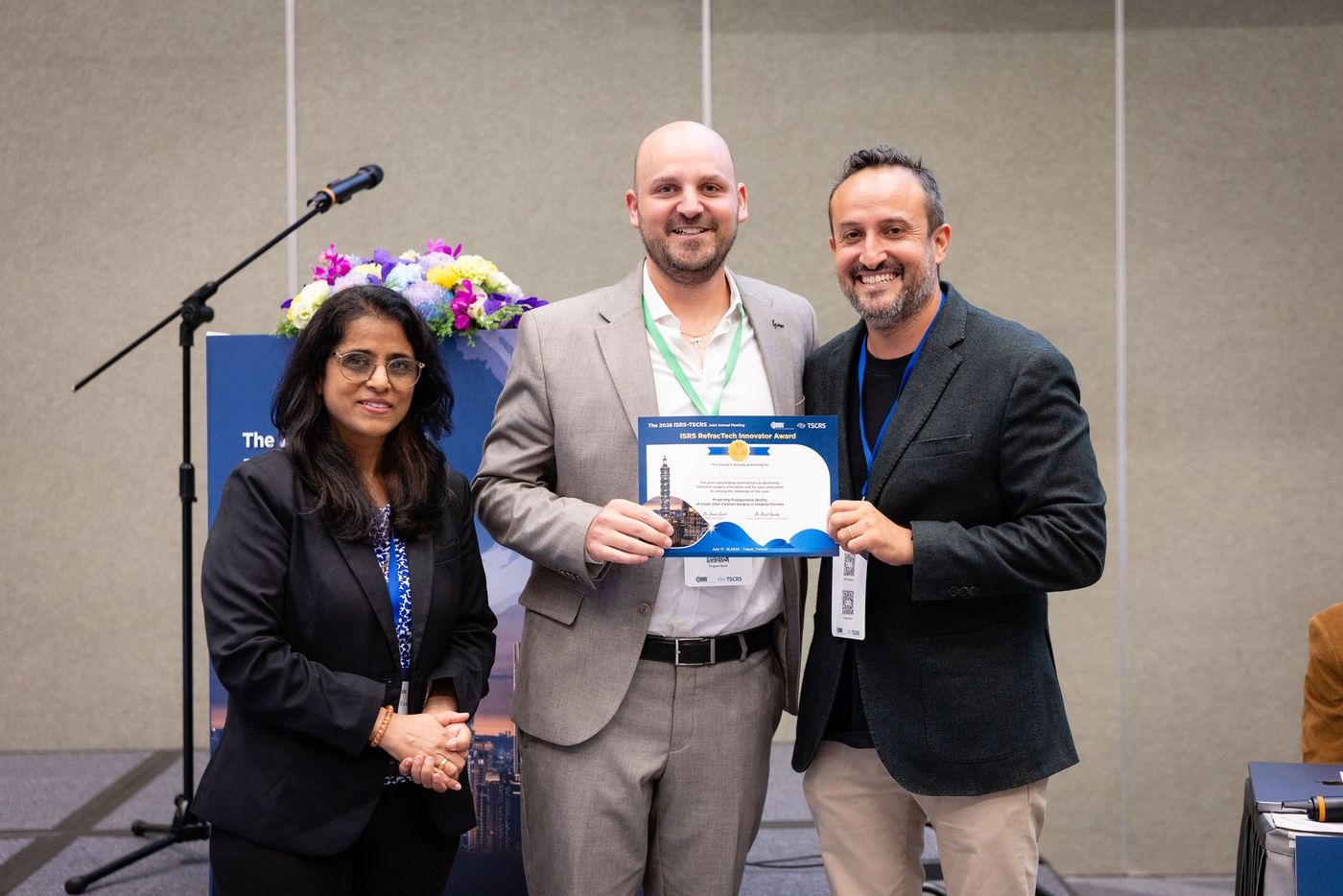
Dr. Benjamin Stern receiving the ISRS RefracTech Innovator 2026 award Winner of the ISRS RefracTech Innovator Award 2026
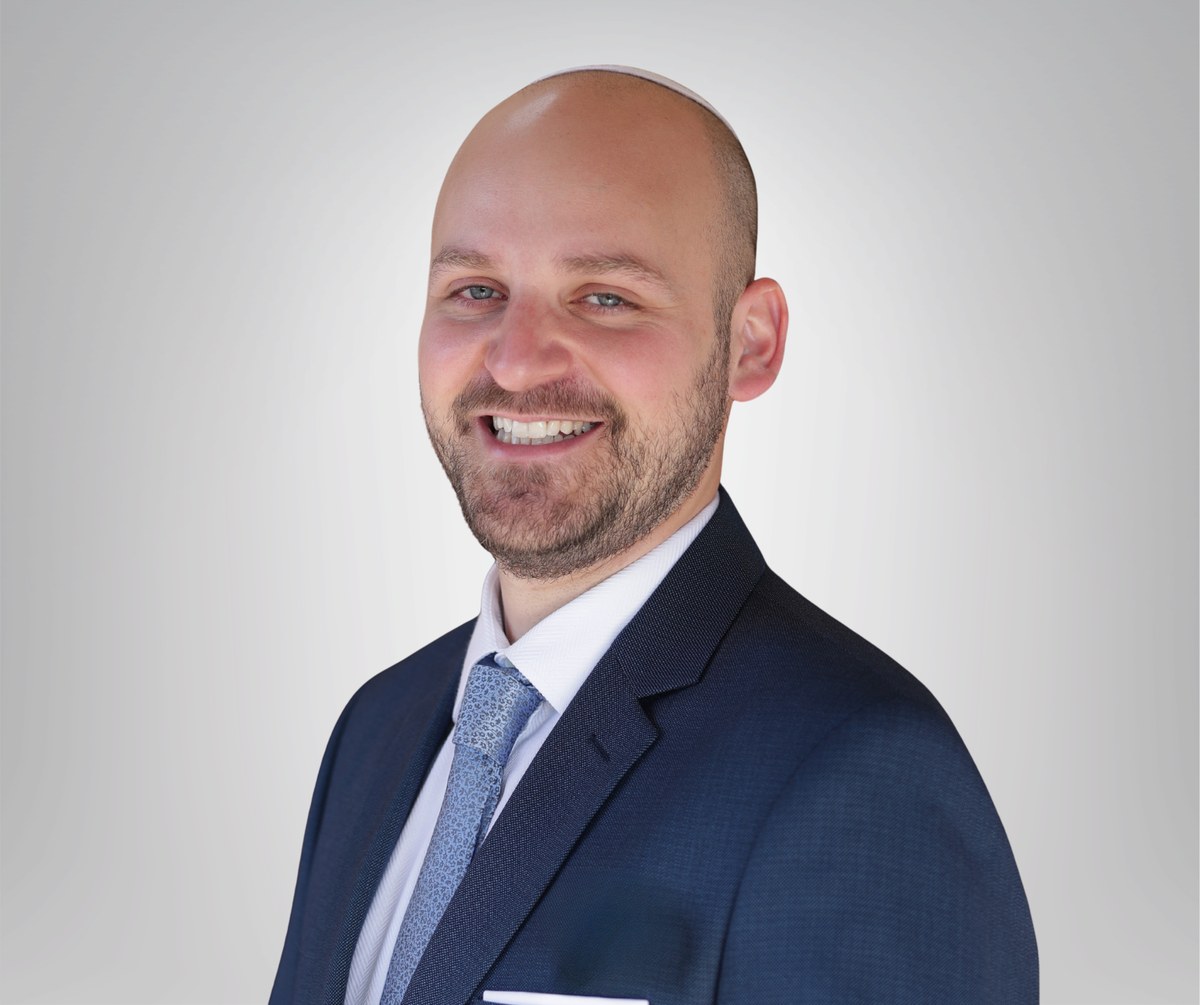
Dr. Benjamin Stern, cataract surgeon at Hadassah Ein Kerem Medical Center, Jerusalem
About

Cataract Surgeon in Jerusalem

Dr. Benjamin Stern is a senior ophthalmologist and cataract and refractive surgeon in the Department of Ophthalmology at Hadassah Ein Kerem Medical Center, and a lecturer at the Faculty of Medicine of the Hebrew University of Jerusalem. He earned his medical degree at the Hebrew University of Jerusalem and completed his ophthalmology residency at Hadassah Ein Kerem, followed by a fellowship in cataract and refractive surgery at Fondation Rothschild in Paris under the mentorship of Prof. Damien Gatinel, alongside advanced studies in optical design at Paris-Saclay University.

In 2025 he founded and now directs the Biomedical Optics Research Laboratory at Hadassah, which focuses on the optical characterization and computational modeling of intraocular lenses. That same year, he was named one of six global "Rising Stars" in cataract surgery by The Ophthalmologist's Power List 2025, and in 2026 he received the RefracTech Innovator Award from the International Society of Refractive Surgery (ISRS) for his work on AIOLsci.

Care is provided in Hebrew, French and English.

  • MD, Hebrew University of Jerusalem
  • Residency in Ophthalmology, Hadassah Ein Kerem (2017–2022)
  • Fellowship in Cataract & Refractive Surgery, Rothschild Foundation Hospital, Paris (2023–2024)
  • Senior Physician and Cataract & Refractive Surgeon, Hadassah Ein Kerem (2025–present)
  • Founder and Director, Biomedical Optics Research Laboratory, Hadassah (2025–present)
  • Lecturer, Faculty of Medicine, Hebrew University of Jerusalem (2025–present)
LinkedIn · Professional community of 4,000+ followers
Updates

What's New

AIOLsci wins the ISRS RefracTech Innovator Award 2026

The award was presented in Taiwan, at the TSCRS-ISRS Congress. The joint project with Prof. Damien Gatinel was recognized by the International Society of Refractive Surgery (ISRS) for its contribution to developing objective tools for intraocular lens selection.

Dr. Benjamin Stern receiving the ISRS RefracTech Innovator 2026 award at the TSCRS-ISRS Congress in Taiwan
More about AIOLsci ←

New publication: optical characterization of the spiral RayOne Galaxy lens

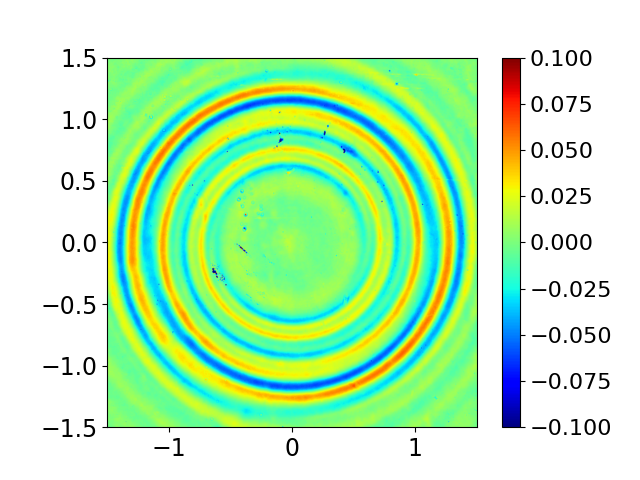
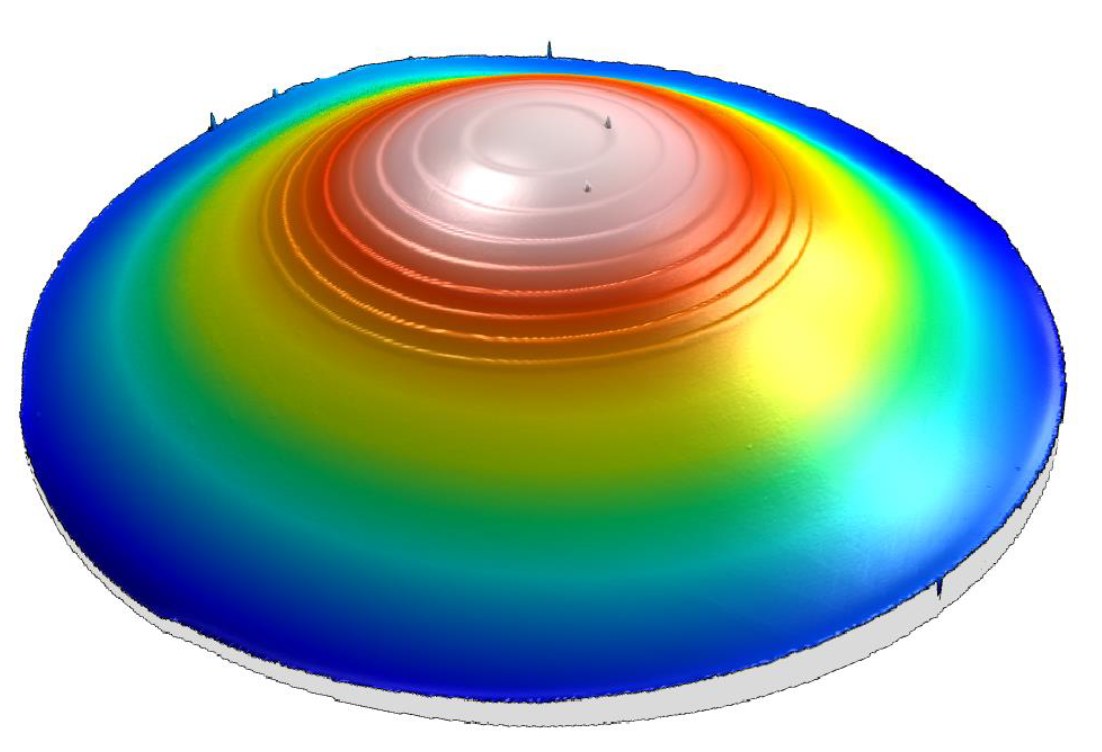
Together with Prof. Damien Gatinel and Amy Entin, we performed the first independent optical characterization of the RayOne Galaxy — an innovative spiral intraocular lens — using high-resolution Mach–Zehnder interferometry. The study, published in Biomedical Optics Express, reveals how the lens's unique design mechanism produces its extended range of vision, providing a stronger scientific basis for understanding the next generation of intraocular lenses.

Spiral optical structure of the RayOne Galaxy lens
Read the article ↗
Areas of Treatment

Procedures and Treatments Offered

A range of surgical procedures and laser treatments for cataract surgery in Jerusalem, anterior segment conditions, and vision correction surgery (LASIK, PRK, ICL).

Cataract Surgery

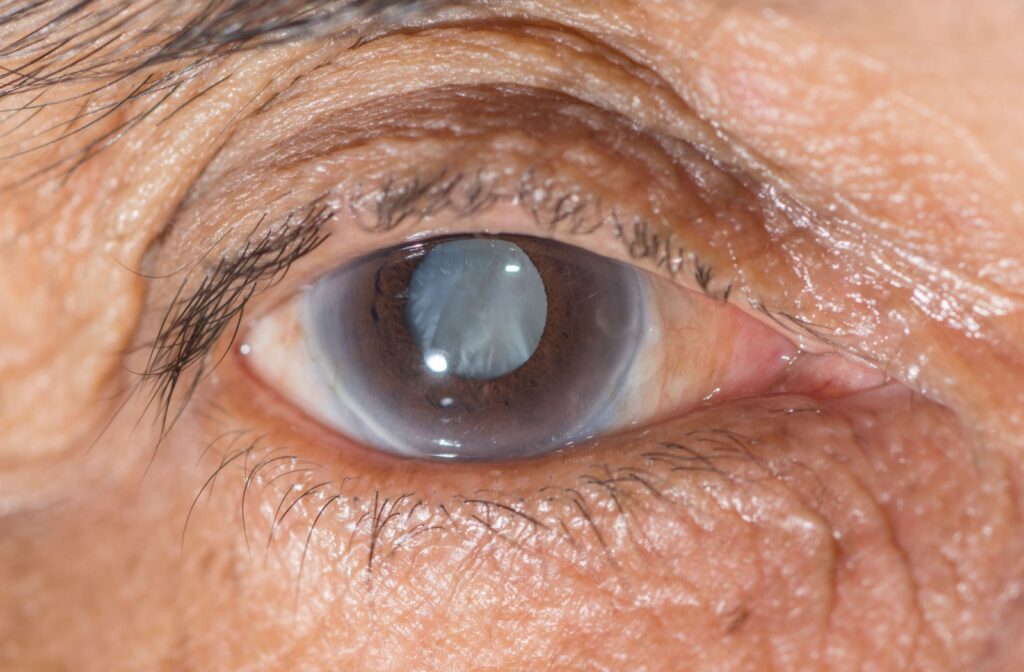
Close-up of an older adult's eye with lens opacity typical of cataract

Cataract Surgery & Intraocular Lens (IOL) Implantation

Cataract is a clouding of the eye's natural (crystalline) lens, causing blurred vision and glare. Surgery removes the clouded lens and replaces it with a clear intraocular lens (IOL).

Dr. Stern, cataract surgeon in Jerusalem – all the details →
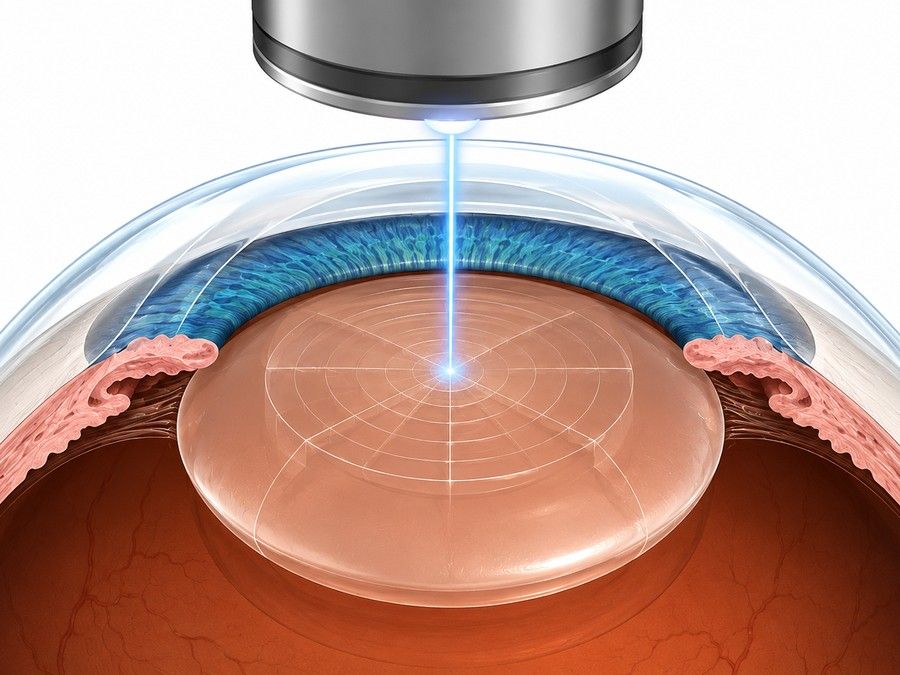
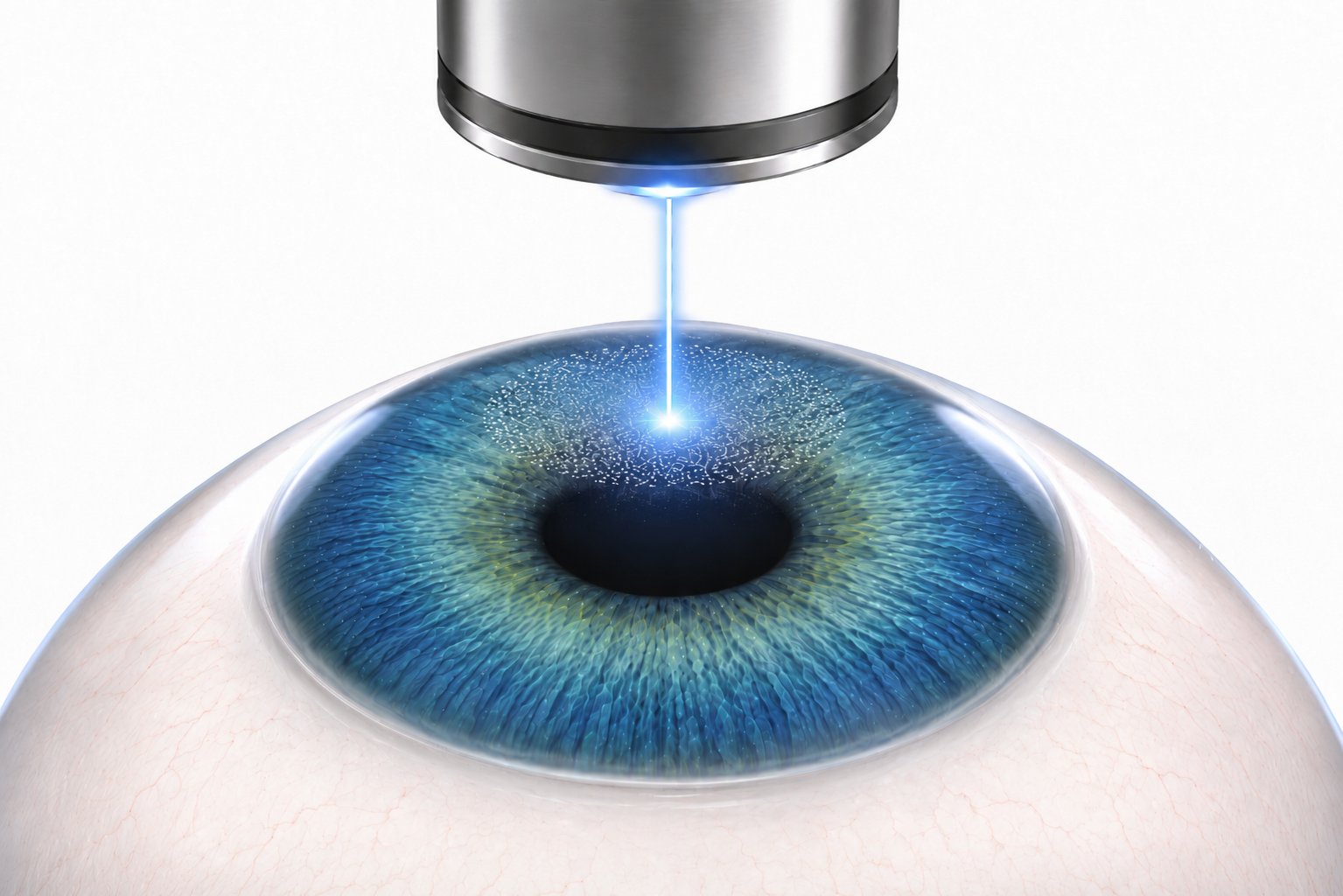
Illustration of Femtosecond laser cataract surgery — a laser beam directed at the eye's natural lens inside the eye, with a grid fragmentation pattern

Laser Cataract Surgery

Cataract removal assisted by Femtosecond laser, for high precision at key stages of the procedure.

An older man lifting his glasses in frustration while trying to read a message on his phone — the difficulty with near vision typical of presbyopia

Advanced Lenses to Reduce Dependence on Glasses

For patients who wish to reduce their dependence on glasses after cataract surgery, personalized selection of multifocal, EDOF and toric intraocular lenses can provide a wider range of vision. This is among Dr. Stern's core areas of expertise.

Read about multifocal, EDOF and toric lenses ←

Additional Treatments

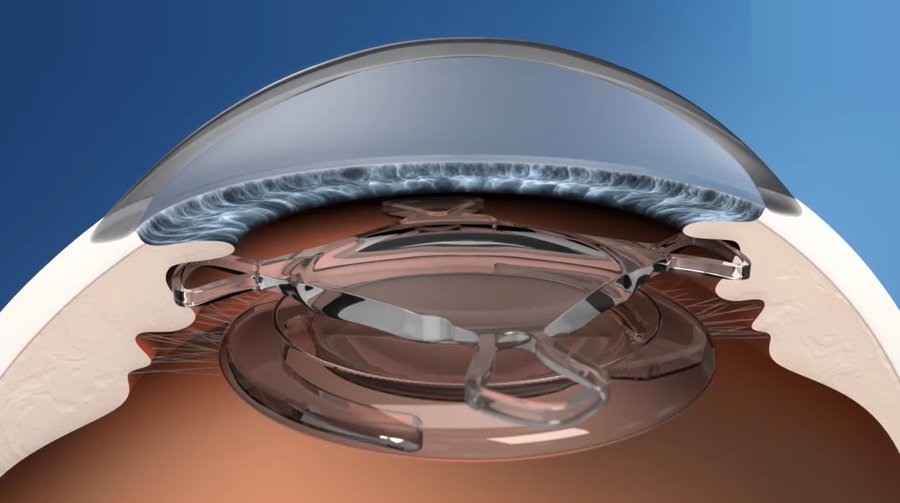
Illustration of a supplementary (Add-On) intraocular lens implanted in the sulcus, above the existing intraocular lens

Vision Correction After Cataract Surgery

Still dependent on glasses after cataract surgery? Solutions exist — implanting a supplementary (add-on) intraocular lens, exchanging the lens, or laser surgery on the cornea.

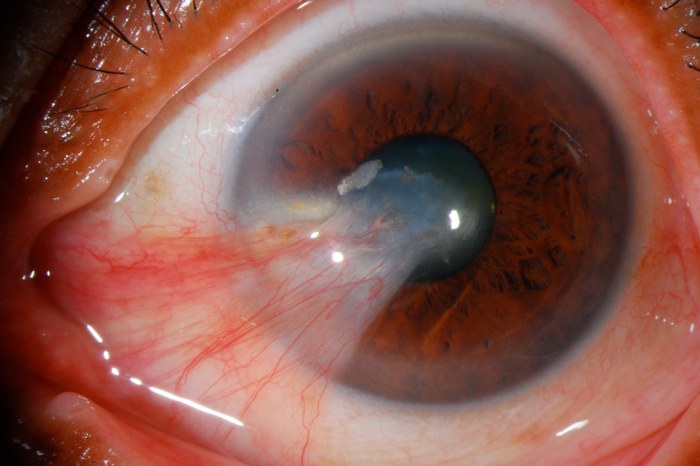
Close-up slit-lamp view of pterygium — a pink wing-shaped tissue growth extending from the conjunctiva onto the cornea

Pterygium Treatment

Surgical removal of pterygium (a growth on the eye's surface).

Pterygium surgery in Jerusalem with Dr. Stern – all the details →
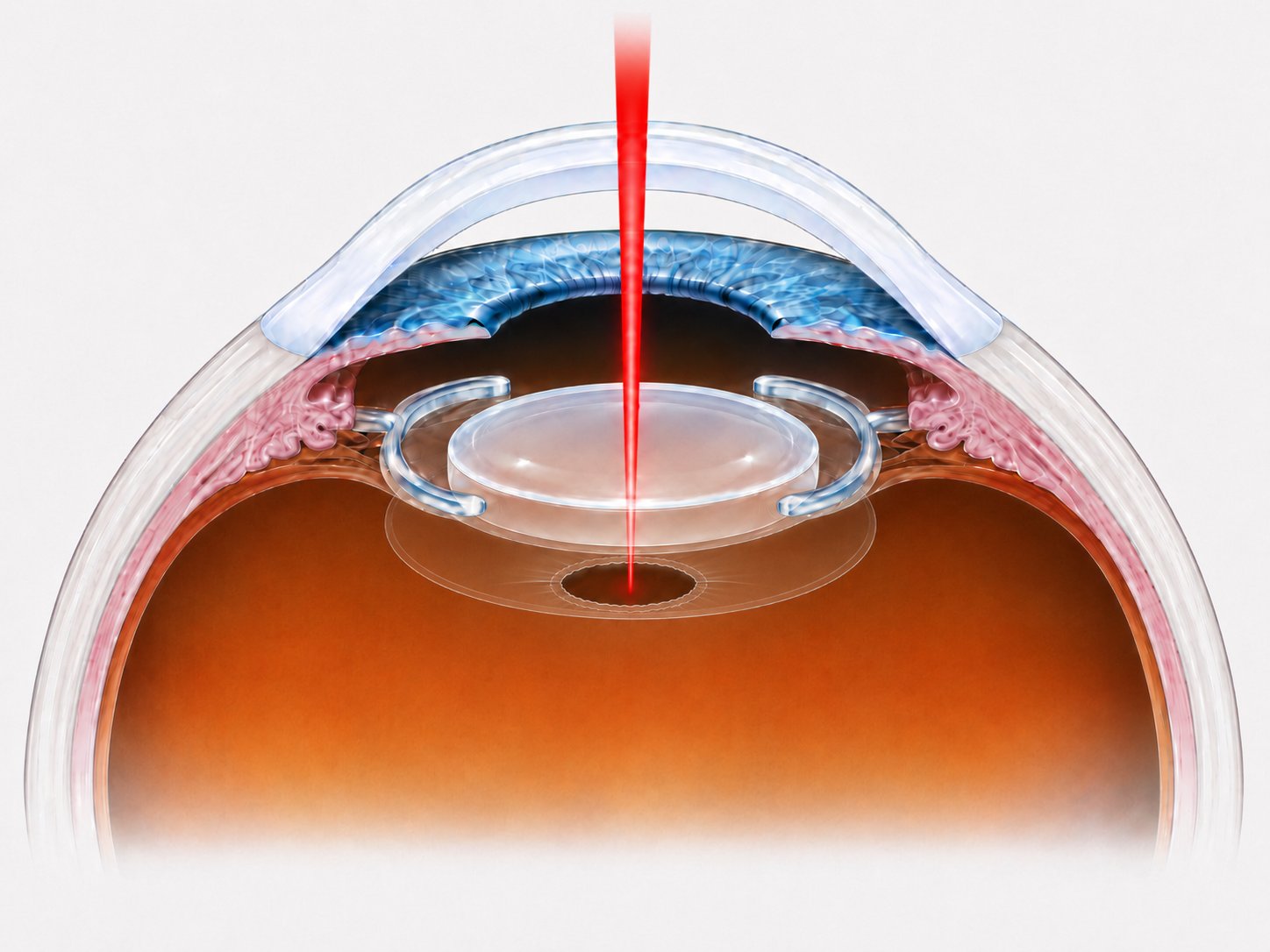
Illustration of YAG laser capsulotomy in an eye with an intraocular lens

YAG Laser

YAG laser capsulotomy to restore vision after cataract surgery.

The cataract surgeries and anterior segment treatments detailed above are performed by Dr. Stern in the Department of Ophthalmology at Hadassah Medical Center — one of Israel's leading ophthalmology departments, with a hundred-year history in eye care. Surgeries are performed at Hadassah Ein Kerem Medical Center in Jerusalem, as well as at Hadassah Beit Shemesh, a satellite center affiliated with Hadassah Ein Kerem.

Dr. Stern in Beit Shemesh – consultations and surgery at Hadassah Beit Shemesh → Dr. Stern's profile on the Hadassah website ←

Vision Correction Surgery

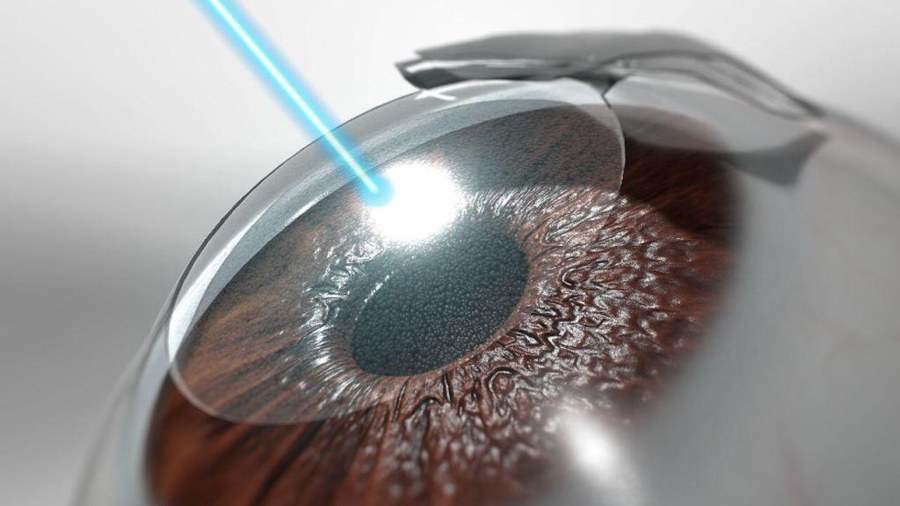
Illustration of the LASIK procedure: a corneal flap lifted and a laser beam directed at the stromal bed

LASIK

Laser surgery to correct myopia, hyperopia and astigmatism.

Dr. Stern, laser eye surgeon in Jerusalem – all the details →
Illustration of a laser performing PRK treatment on the corneal surface

PRK

Surface laser surgery for vision correction, also suitable for thinner corneas.

Dr. Stern, laser eye surgeon in Jerusalem – all the details →
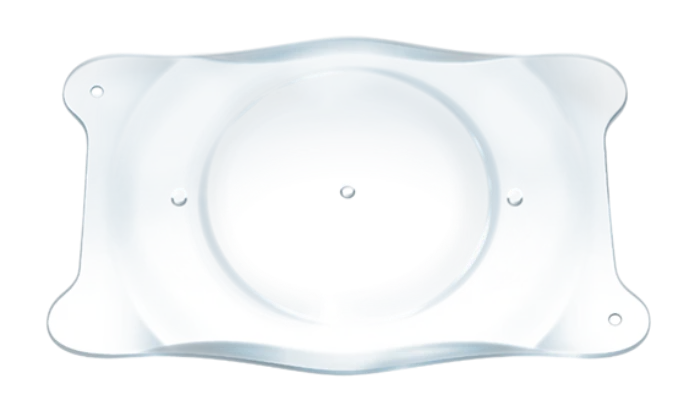
EVO Visian ICL lens for intraocular implantation

ICL Surgery

Implantation of an intraocular lens for vision correction, without removing corneal tissue. Mainly intended for patients who are not suitable candidates for laser surgery (for example, due to an overly thin cornea) or who were found unsuitable for laser vision correction elsewhere. The procedure is performed at Hadassah Ein Kerem.

ICL lenses in Jerusalem with Dr. Stern – all the details →

Laser vision correction surgeries (LASIK, PRK) are performed by Dr. Stern at the Ein Tal Hadassah center — one of Israel's leading centers for laser vision correction surgery, operating in partnership with Hadassah's Department of Ophthalmology. ICL lens implantation is performed at Hadassah Ein Kerem.

Dr. Stern's profile on the Ein Tal Hadassah website ←

Surgical precision, personalized for every patient.

Patient Information

Patient Information Center

Short videos and guidance that answer most questions — and for those who want to go deeper, comprehensive guides as well.

How Cataract Surgery Is Performed at Hadassah Medical Center

Laser Cataract Surgery — What's the Difference?

Location & Contact

Appointments & Inquiries

Appointments for new patients or follow-up visits are scheduled through the Sharap (private) Clinic at Hadassah Medical Center — Ein Kerem or Beit Shemesh — by phone at +972 2-677-8899. Patients who have already had surgery can contact Dr. Stern directly by phone or email.

Book an Appointment — Sharap Clinic, Hadassah
Hadassah Medical Center logo Hadassah Ein Kerem Medical Center, Jerusalem · Hadassah Beit Shemesh Medical Center
Details for Patients Who Have Had Surgery
Entrepreneurship

AIOLsci is a startup company that Dr. Stern co-founded and where he serves as CEO.

Ahead of cataract surgery, selecting the power of the intraocular lens (IOL) today relies on precise, advanced biometric formulas. However, the choice of which lens model and type to implant — monofocal, EDOF, multifocal or another premium lens — still relies largely on the surgeon's experience and judgment, rather than on an objective, personalized optical assessment of how the lens will actually perform in the patient's eye.

AIOLsci was created to bridge this gap — a software platform designed to integrate with biometry and corneal tomography/topography devices, helping the surgeon choose the most suitable lens for each patient based on the lens's true optical characteristics and the patient's individual eye data, rather than relying on general model specifications or intuition alone.

The project is built on a partnership between Dr. Benjamin Stern and Prof. Damien Gatinel, among the world's leading figures in clinical optics and refractive surgery. Prof. Gatinel served as Dr. Stern's research mentor during his fellowship in Paris, and today the two are co-founders of AIOLsci.

As part of their work, the optical characteristics of a wide range of intraocular lenses have been objectively measured using a system based on Mach–Zehnder interferometry, building an optical database that captures the unique "optical fingerprint" of each lens.

AIOLsci combines these optical measurements with patient-specific data, including corneal structure, pupil size and ocular biometry, and runs advanced optical simulations based on ray tracing. This makes it possible to compare different lenses and predict, before surgery, the visual quality and optical performance expected from each lens in the individual patient's eye.

The goal is to turn intraocular lens selection from a process based largely on categories, experience and surgeon preference into a quantitative, objective and personalized process, grounded in the optical interaction between the lens and the eye in which it will be implanted.

AIOLsci won the RefracTech Innovator Award 2026 from the International Society of Refractive Surgery (ISRS)

Visit the AIOLsci website ←
Research & Publications

Biomedical Optics Research Laboratory, Hadassah

The laboratory, led by Dr. Benjamin Stern, studies the complex optical interactions between the cornea, the natural or intraocular lens, the pupil and the eye's geometry — bridging fundamental optical science and clinical ophthalmology.

Understanding How Light Travels Inside the Human Eye

Visual quality results from a delicate interplay between the eye's components. Even small changes in anatomy, lens position or aberration structure can affect the quality of the image formed on the retina.

The laboratory combines high-performance computing, White Light Interferometry (WLI) profilometry and physiological ray-tracing simulations to build personalized models of a "virtual eye." These are used to study the effects of pupil size, corneal aberrations, intraocular lens tilt and decentration, and eye geometry on vision.

The research also includes simulating the optical changes following cataract surgery and multifocal/EDOF lens implantation, as well as after LASIK and PRK surgery.

Current Projects

The Virtual Eye

A computational platform combining measured optical surfaces, corneal tomography and physiological ray tracing, to simulate retinal image formation in personalized anatomical models.

Complex Eyes

Studying the optics of eyes with irregular or previously operated-on corneas, including keratoconus and prior laser surgery, and their interaction with intraocular lenses.

Artificial Intelligence in Biometry

Developing machine learning models to predict postoperative intraocular lens position, based on imaging and preoperative biometric data.

Deep Learning and Big Data in Corneal Optics

Analyzing large-scale topography and tomography databases to identify patterns and model optical and biomechanical properties in normal, diseased and post-surgical corneas.

Research Team

Liron Sichel, OD

Research Assistant and Optometrist

Leads clinical measurements, visual performance assessment, and cross-referencing clinical findings with optical simulations.

Uri Licht

Applied Physics Student, Hebrew University

Works on optical modeling, simulation analysis and theoretical aspects of physiological ray tracing.

Noa Koaz

MD Thesis Student

Uses ray tracing to model the optical effect of the main corneal incision in cataract surgery.

Gefen Lahar

MD Thesis Student

Studies the relationship between surgeon experience and the magnitude and variability of surgically induced astigmatism (SIA).

Selected Publications in Scientific Journals

  • Gatinel D, Entin A, Stern B

    In vitro optical characterization of the RayOne Galaxy spiral extended depth-of-focus intraocular lens using high-resolution Mach–Zehnder interferometry

    Biomed Opt Express. 2026;17:3984–4001.
    Read the article ↗
  • Stern B, Gatinel D, Nicolaos G, Grise-Dulac A

    Intraocular lens models: Ecological distribution footprint and usage trends at a large ophthalmology centre

    Eye (Lond). 2025;39(11):2260–2268.
    Read the article ↗
  • Erdinest N, Tabi M, Shemesh N, Corredores J, Yahalom C, Eshel Y, Stern B, Smadja D, Gur Z, Lavy I

    Clinical Evaluation of Ripasudil for Corneal Edema: A Large-Scale Retrospective Cohort Study

    J Clin Med. 2025;14(15):5572.
    Read the article ↗
  • Stern G, Stern B, Mallett JJ, Chuck RS

    A Catalog of Patent Applications Published in 2024 Related to Ophthalmology and Vision Science

    Transl Vis Sci Technol. 2025;14(5):16.
    Read the article ↗
  • Stern B, Gatinel D

    Presbyopia Correction in Lens Replacement Surgery: A Review

    Clin Exp Ophthalmol. 2025.
    Read the article ↗
  • Stern B, Ben-Eli H, Karshai I, Mechoulam H, Saban O, Cnaany Y, Greifner G, Cohen E, Anteby I

    Comparative analysis of biometry and anterior chamber metrics in the eyes of extreme hyperopic and emmetropic children

    J AAPOS. 2024.
    Read the article ↗
  • Safrai M, Elly D, Gruber N, Stern B, Kabiri D, Shapira M

    Paper waste and carbon emissions from oral contraceptive leaflets

    PLoS One. 2024;19(10):e0312505.
    Read the article ↗
  • Villemagne N, Joannes L, Stern B, Gatinel D

    On bench evaluation of intraocular lenses: performance of a commercial interferometer

    Biomed Opt Express. 2024;15(11):6588–6605.
    Read the article ↗
  • Stern B, Gatinel D

    Impact of pupil size and corneal spherical aberrations on the performance of monofocal intraocular lenses: an experimental model

    Biomed Opt Express. 2024;15(11):6433–6448.
    Read the article ↗
  • Stern B, Saad A, Flamant R, Joannes L, Gatinel D

    Intra-Observer and Inter-Observer Variability of Intraocular Lens Measurements Using an Interferometry Metrology Device

    Diagnostics (Basel). 2024;14(2):216.
    Read the article ↗
  • Stern B, Rampat R, Shahnazaryan D, Gatinel D

    Paper waste from instructions for use brochures in cataract surgery implant packaging in Europe and the United States

    J Cataract Refract Surg. 2024;50(1):72–77.
    Read the article ↗
  • Stern B, Chowers I, Ben-Eli H

    Effect of mydriasis on chord mu value in cataract surgery candidates

    Eur J Ophthalmol. 2023.
    Read the article ↗
  • Stern B, Parnasa E, Forer Y, Tessler I, Kruger JM

    A Novel Method of Visual Field Assessment for Patients with Unilateral Severely Limited Central Vision: A Pilot Study

    Clin Ophthalmol. 2020;14:1799–1804.
    Read the article ↗

Opinion & Review Articles

  • Stern B, Gatinel D

    Comment on: Evidence-based functional classification of simultaneous vision intraocular lenses: seeking a global consensus by the ESCRS Functional Vision Working Group

    J Cataract Refract Surg. 2026;52(5):523.
    Read the article ↗
  • Stern B, Gatinel D

    Comment on: Impact of Spherical Aberration on Visual Quality and Depth of Focus

    J Cataract Refract Surg. 2024;50(12):1297–8.
    Read the article ↗

Book Chapters

  • Stern B, Gatinel D, Rampat R

    Monofocal, Enhanced Monofocal, Extended Depth-of-Focus and Full Range-of-Focus lenses – An Overview

    In: Presbyopia Management – A Practical Guide. Springer Nature.
    In press
  • Stern B, Gatinel D, Rampat R

    Premium IOLs index

    In: Presbyopia Management – A Practical Guide. Springer Nature.
    In press
  • Stern B, Rampat R, Gatinel D

    Finevision Triumf (PhysIOL)

    In: Alio JL, Pikkel J, ed. Multifocal Intraocular Lenses: The Art and the Practice, 3rd ed. Springer Nature.
    Springer Nature

Patent

  • Gatinel D, Stern B, Joannes L, Villemagne N

    Method, system and computer program for selecting an intraocular lens

    European Patent Application EP4702915A1, 2026.
    View patent ↗