
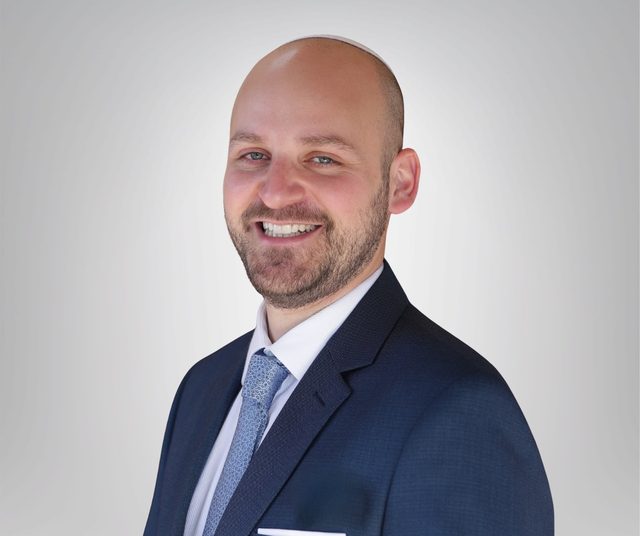
Laser Eye Surgeon in Jerusalem: Dr. Benjamin Stern
Laser vision correction — LASIK and PRK — at the Ein Tal Hadassah center in Jerusalem, one of Israel's leading laser vision centers, operating in cooperation with Hadassah's Department of Ophthalmology. Dr. Stern is a laser and cataract surgeon, senior physician at Hadassah Ein Kerem, and fellowship-trained in refractive surgery in Paris under Prof. Damien Gatinel. Care in English.
- Laser surgeon, Ein Tal Hadassah
- Refractive fellowship, Paris
- ISRS RefracTech Innovator Award 2026
- 56 reviews · 4.96/5 on MedReviews
Why choose Dr. Stern as your laser eye surgeon
World-class refractive training
Fellowship in cataract and refractive surgery at the Rothschild Foundation Hospital in Paris under Prof. Damien Gatinel, one of the world's leading names in refractive surgery and corneal optics.
Uncompromising candidacy testing
Corneal mapping and tomography, thickness measurement, prescription stability and keratoconus screening before any recommendation. If laser is not right for your eyes, you will be offered a suitable alternative such as ICL, not a laser.
Technology at a leading center
Surgery is performed at the Ein Tal Hadassah center, with a femtosecond laser for the LASIK flap and an eye-tracking excimer laser for reshaping the cornea.
A scientific understanding of the cornea
Dr. Stern heads the Biomedical Optics Research Laboratory at Hadassah, which studies, among other things, irregular corneas and eyes after laser surgery — knowledge that serves the planning of your procedure.
LASIK or PRK: how laser vision correction is performed
Both methods reshape the curvature of the cornea with great precision so that light focuses on the retina. They differ in how the corneal tissue is reached — and therefore in how fast you recover.
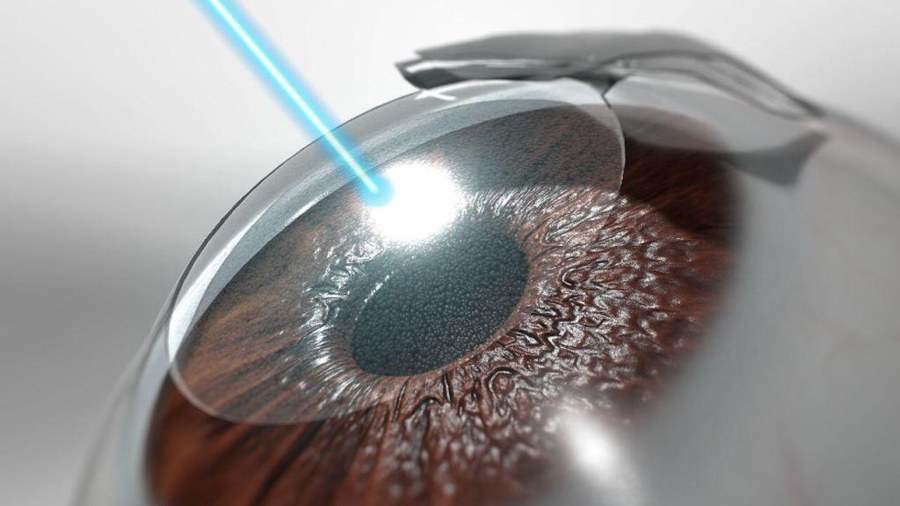
- Anaesthetic dropsNumbing drops only; a gentle holder keeps the eyelids open. The whole procedure takes about 10–15 minutes for both eyes.
- LASIK — creating the flapA femtosecond laser creates a thin corneal flap, which is gently lifted to expose the tissue beneath.
- PRK — removing the epitheliumIn PRK there is no flap: the outer epithelial layer is gently removed and the laser works directly on the corneal surface.
- Reshaping with the excimer laserAbout 20–40 seconds per eye. An eye tracker monitors the eye hundreds of times per second and adjusts the laser to every movement.
- FinishingIn LASIK the flap is repositioned and adheres within minutes; in PRK a bandage contact lens is placed until the epithelium heals (3–5 days).
When PRK is preferred over LASIK
PRK is especially suited to thinner corneas, to contact-sport athletes and combat soldiers (there is no flap that could shift), and to anyone who wants to preserve maximum corneal strength. LASIK offers far faster recovery — most patients see 6/6 the next day. Full comparison of the two methods in the laser surgery guide →
Who laser surgery is for — and who it is not for
Not every eye is suited to laser, which is exactly why the candidacy assessment matters so much. These are the main criteria:
A stable prescription
No significant change in the past year; soft contact lenses stopped 1–2 weeks and rigid lenses 3–4 weeks before the measurements.
A healthy, sufficiently thick cornea
Mapping and tomography rule out keratoconus or irregularity, and the corneal thickness must leave enough tissue after surgery.
No contraindications
Active inflammation or infection, uncontrolled glaucoma, severe untreated dry eye, pregnancy and breastfeeding require postponement or an alternative.
Realistic expectations
Laser surgery does not prevent presbyopia after 40. For those interested, monovision can be planned in advance.
Not a laser candidate? For high myopia, a cornea that is too thin or significant dry eye there is a good alternative: an ICL lens implant, with no reshaping of the cornea. ICL lenses in Jerusalem →
Your pathway: from consultation to life without glasses
- Consultation and candidacy assessmentA visit with Dr. Stern (via Hadassah Sharap) or at the Ein Tal Hadassah center: vision and prescription testing, corneal mapping and tomography, thickness measurement, dry-eye assessment and pupil evaluation.
- Choosing the methodLASIK or PRK — according to corneal thickness and shape, lifestyle and your preferences. Sometimes monovision planning as well.
- Surgery at the Ein Tal Hadassah centerBoth eyes in the same session, under anaesthetic drops, about 10–15 minutes. You go home the same day.
- Recovery and follow-upLASIK: back to work usually the next day. PRK: 3–5 days of discomfort and blur, stabilising over 3–6 weeks. Artificial tears for a few months, and follow-up visits. Possible risks and what you should know →
Who performs the surgery
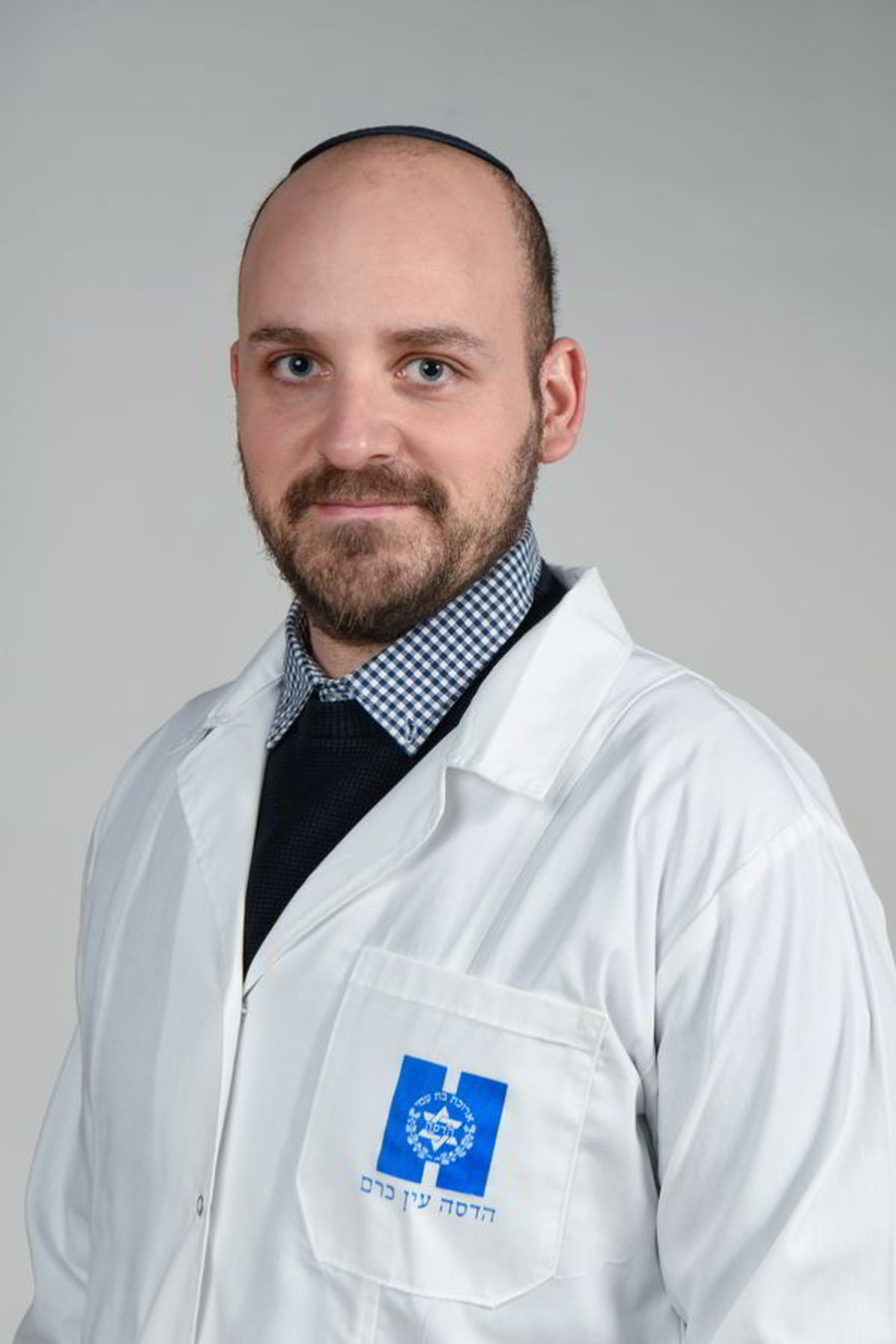
Dr. Benjamin Stern is a senior physician and cataract & refractive surgeon in the Department of Ophthalmology at Hadassah Ein Kerem Medical Center and a lecturer at the Hebrew University Faculty of Medicine. He founded and heads the Biomedical Optics Research Laboratory at Hadassah and is co-founder of AIOLsci, winner of the 2026 RefracTech Innovator Award of the International Society of Refractive Surgery (ISRS).
- MD, Hebrew University of Jerusalem
- Residency in ophthalmology, Hadassah Ein Kerem (2017–2022)
- Cataract & refractive fellowship, Rothschild Foundation Hospital, Paris (2023–2024)
- Senior physician, cataract & refractive surgeon, Hadassah Ein Kerem (2025–present)
- The Ophthalmologist Power List 2025 — "Rising Star" in cataract surgery
What patients say
56 verified patient reviews on MedReviews, with an average rating of 4.96 out of 5.
Read all the reviews →Frequently asked questions when looking for a laser eye surgeon in Jerusalem
How do I choose a laser eye surgeon in Jerusalem?
Check the surgeon's refractive training, how thorough the candidacy assessment is (corneal mapping and tomography, not just a prescription), the technology at the center where surgery is performed, and the surgeon's willingness to say "no" when laser is unsuitable and offer an alternative. Dr. Stern is fellowship-trained in refractive surgery in Paris, a senior physician at Hadassah Ein Kerem, and operates at the Ein Tal Hadassah center.
How do I book a laser surgery consultation?
A consultation with Dr. Stern is booked through the Hadassah Sharap clinic at 02-677-8899. You can also contact the Ein Tal Hadassah center directly at *5023. The surgery itself is performed at the Ein Tal Hadassah center in Jerusalem.
LASIK or PRK — which is better for me?
LASIK offers fast recovery (good vision the next day) and minimal discomfort. PRK is preferred for thin corneas, contact sports and combat service, and better preserves corneal strength, at the cost of a few days of discomfort and slower stabilisation. The decision is based on corneal measurements and lifestyle.
Does it hurt, and how long does it take?
The procedure is almost painless thanks to anaesthetic drops and takes about 10–15 minutes for both eyes; the laser itself works for about 20–40 seconds per eye. In LASIK there is mild pressure for a few seconds; in PRK expect discomfort in the first days.
When can I go back to work?
After LASIK most patients return to work and computer use the next day. After PRK expect 3–5 days of blur and discomfort, with vision stabilising gradually over 3–6 weeks.
Are both eyes treated on the same day?
Yes, that is standard practice in laser vision correction, and it avoids the confusing situation of one corrected eye and one uncorrected. Those who prefer can choose staged surgery.
What if I am not a laser candidate?
For high myopia, a cornea that is too thin or significant dry eye there is an alternative: an ICL lens implanted inside the eye, without reshaping the cornea. Dr. Stern performs these procedures too, at Hadassah Ein Kerem.
In which languages is care provided?
Care is provided in English, Hebrew and French.
Want to find out whether you are a laser candidate?
A consultation with Dr. Stern through Hadassah Sharap, or contact the Ein Tal Hadassah center directly. Surgery is performed at Ein Tal Hadassah, Jerusalem.
+972 2-677-8899