

Cataract surgery is short, but recovery depends a great deal on what happens at home in the following weeks: using the drops correctly and protecting the eye. These are the general instructions Dr. Stern’s patients receive after cataract surgery. Always follow the personal instructions you received from your own surgeon.
Vision is expected to gradually improve over the month following surgery. Postoperative eye drops are an important part of recovery and should be used exactly as prescribed, even if your vision already feels normal.
Which eye drops are used after cataract surgery? A typical tapering schedule
After surgery, three eye drops are typically prescribed, each gradually decreasing in frequency over about four weeks. Below is an example of a typical treatment schedule - always follow the specific instructions given to you by your surgeon, as the plan may vary depending on the characteristics of your surgery and eye:
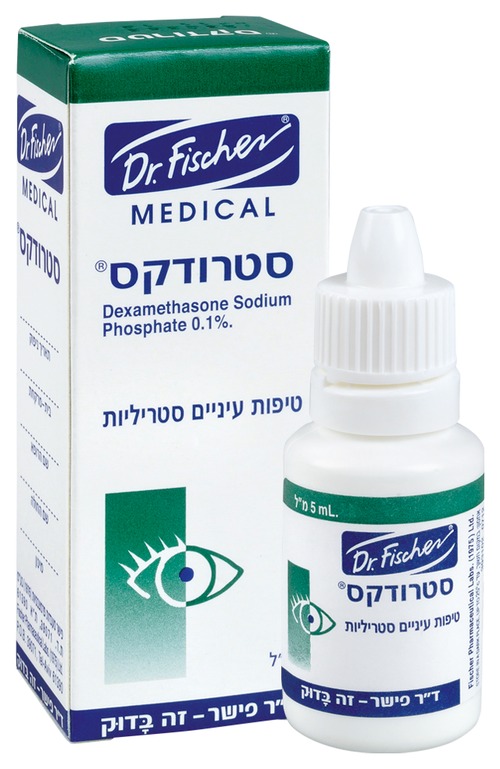
Dexamethasone Sodium Phosphate 0.1%
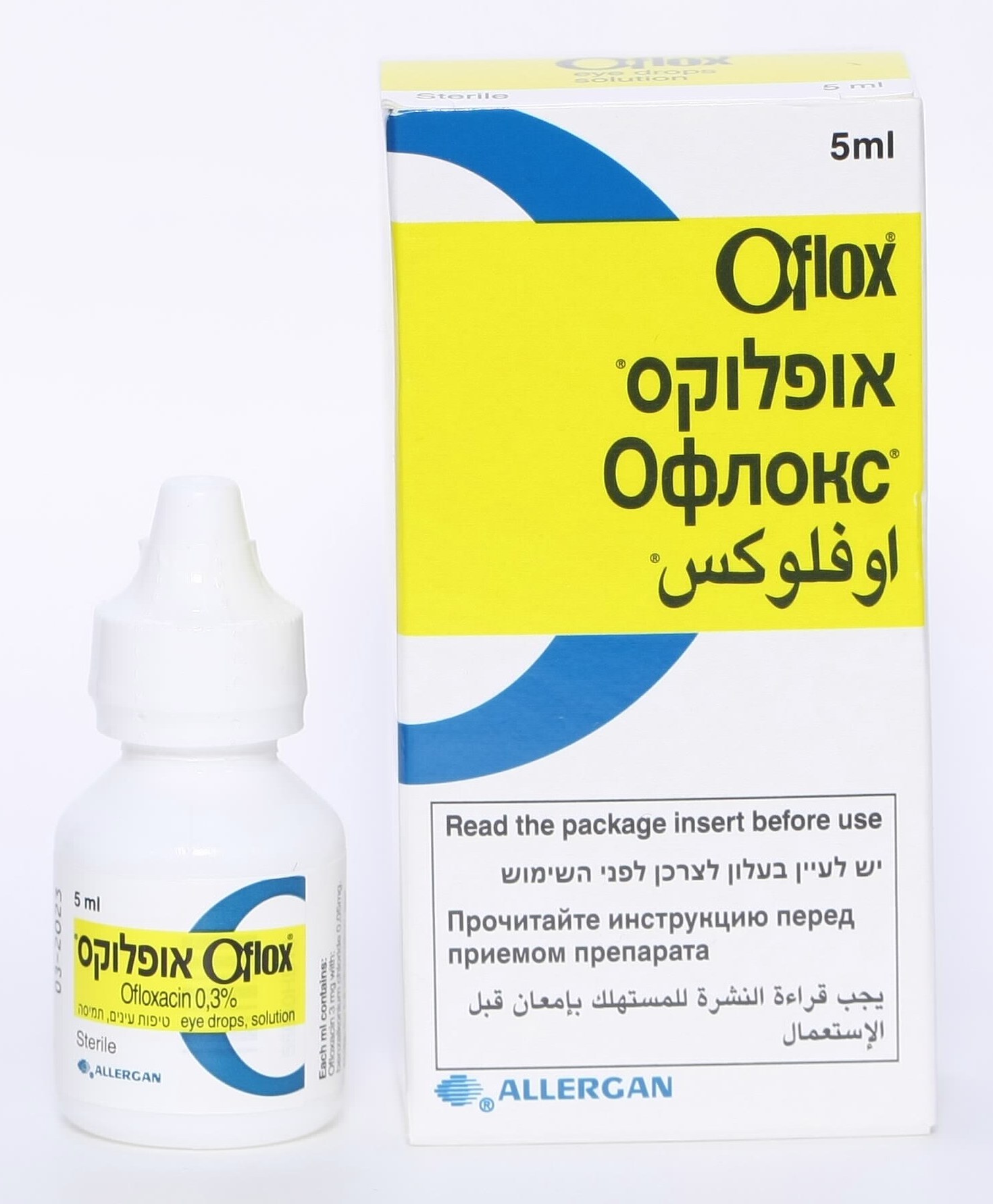
Ofloxacin 0.3%

Diclofenac Sodium 0.1%
| Drop | Day of surgery | Week 1 | Week 2 | Week 3 | Week 4 |
|---|---|---|---|---|---|
| Sterodex - anti-inflammatory steroid | Every hour | 6 times a day | 3 times a day | Twice a day | Once a day |
| Oflox - antibiotic | Every hour | 3 times a day | Stop | Stop | Stop |
| Dicloftil - anti-inflammatory (NSAID) | Every hour | 3 times a day | 3 times a day | 3 times a day | 3 times a day |
Pain after cataract surgery
You may take pain relievers as needed - acetaminophen, dipyrone, or ibuprofen (Nurofen) - provided you have no allergy or contraindication to these medications.
On the day of surgery
- It's recommended to rest at home; there is no restriction on movement.
- Do not shower on the day of surgery.
- Protect the eye with a shield until the following morning, and for two additional nights while sleeping.
- Bending over and lifting light loads is permitted.
What not to do after cataract surgery
- Avoid situations in which the eye could be struck, for example while playing with young children, pets or balls.
- Avoid sports involving a risk of trauma for at least one month.
- Shower with your head tilted back, to prevent water from entering the eye, for one week.
- Do not enter a pool, the sea, a mikveh, or standing water for one month.
Hygiene and eye care during recovery
- Do not touch or rub the eye.
- You may clean discharge using sterile eyelid pads, available at pharmacies.
- Wash your hands thoroughly before instilling any drop.
- Wait at least 5 minutes between different types of drops.
- Do not allow the bottle tip to touch the eye, eyelids or eyelashes when instilling the drops. If instilling drops is difficult, it's recommended to do so lying down.
When does vision improve after cataract surgery?
Most patients notice a significant improvement in vision within 24 to 48 hours. During the first days a mild gritty sensation, redness and blur are normal. The eye heals fully and vision usually stabilises within about 3 to 4 weeks, after which new glasses can be fitted if needed. If vision becomes blurred again months or years after surgery, the usual cause is secondary cataract, which is easily treated with a laser.
Frequently asked questions
When can I shower and wash my hair after cataract surgery?
Do not shower on the day of surgery. For the following week, shower and wash your hair with your head tilted back so that water does not get into the eye.
When can I go back to the pool, the sea or sport?
Pools, the sea, a mikveh and standing water: not before a month has passed. Avoid sports and activities in which the eye could be injured for at least a month.
When can I drive after cataract surgery?
Do not drive on the day of surgery. Resume driving only when your vision allows it safely and your doctor has confirmed this at your follow-up visit.
Can I bend over and lift things?
Yes. Bending and lifting light loads are allowed from the day of surgery.
How long do I use the drops?
Usually about four weeks, tapering gradually: the antibiotic (Oflox) in the first week only, the steroid (Sterodex) tapered down to once a day in week four, and the anti-inflammatory (Dicloftil) three times a day throughout the four weeks — always according to your personal instructions.
When should I contact my doctor immediately?
For unusual pain, a sudden drop in vision or any new and worrying symptom, contact your surgeon promptly.