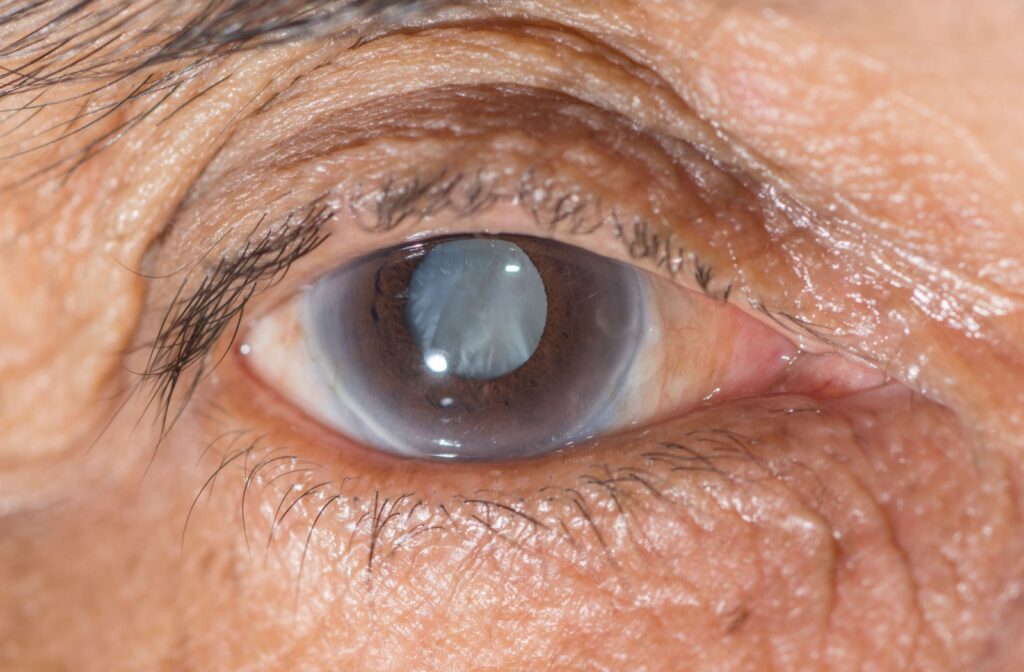
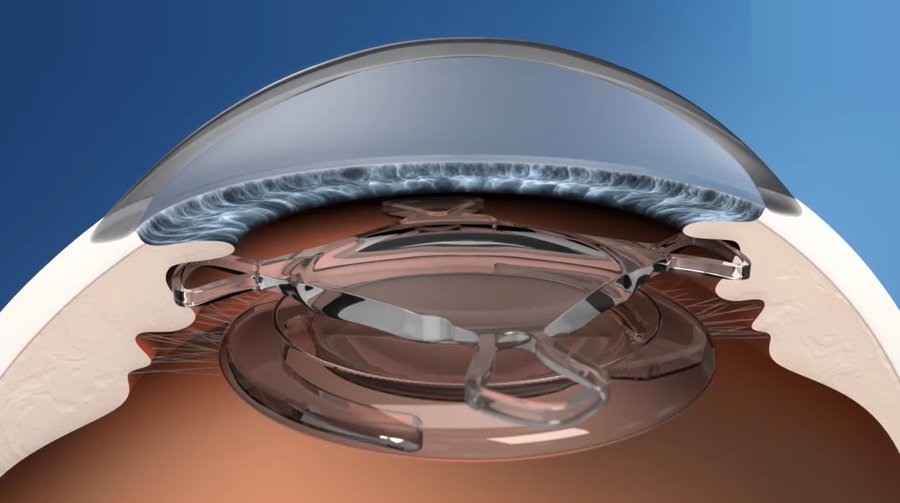
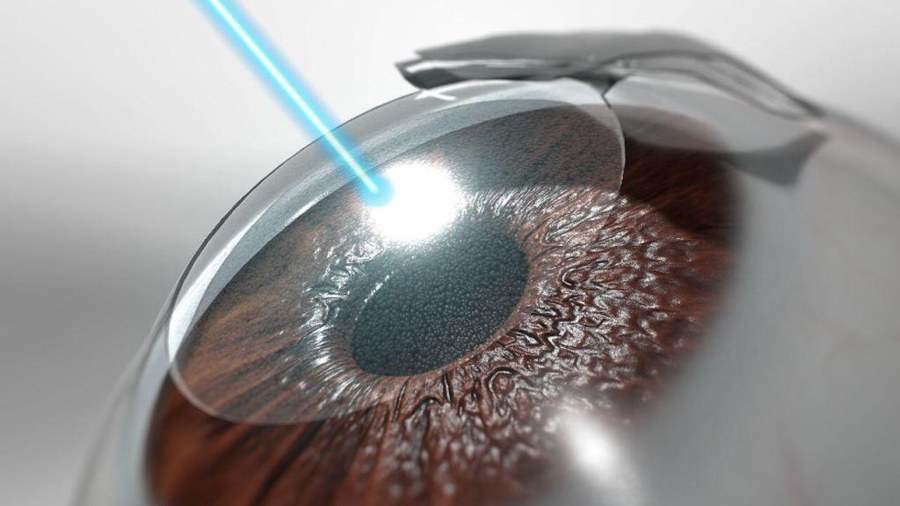
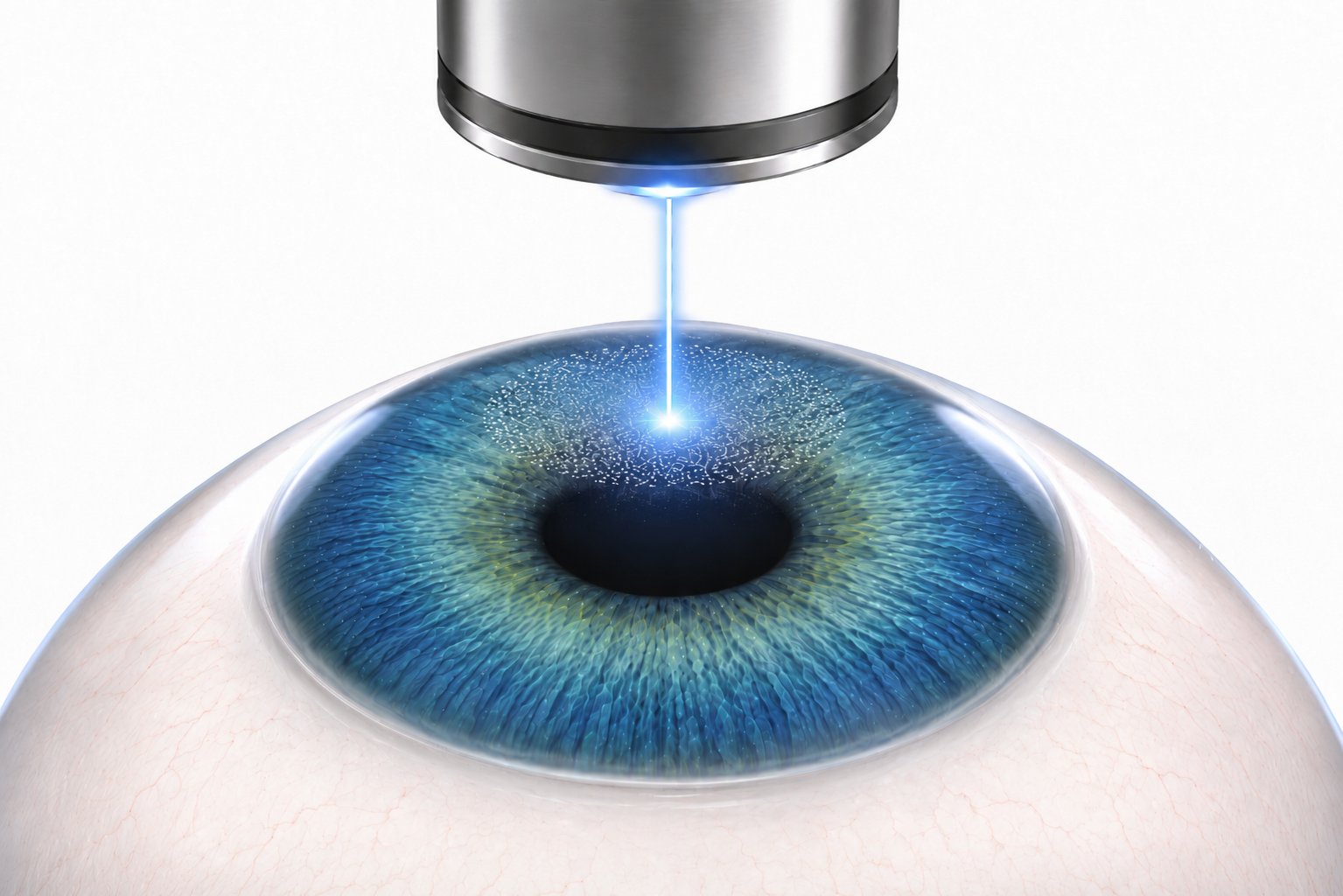
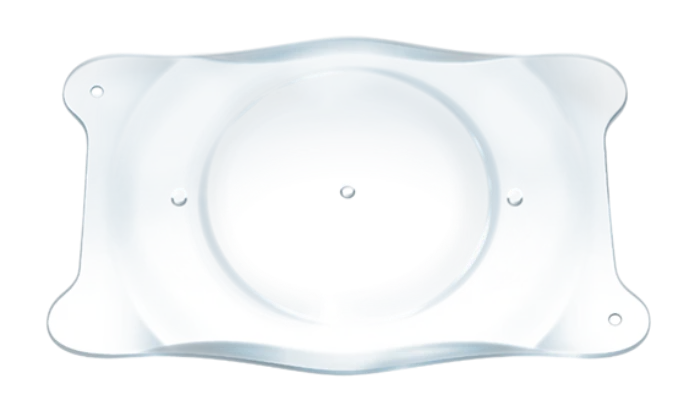
Ahead of cataract surgery, selecting the power of the intraocular lens (IOL) today relies on precise, advanced biometric formulas. However, the choice of which lens model and type to implant — monofocal, EDOF, multifocal or another premium lens — still relies largely on the surgeon's experience and judgment, rather than on an objective, personalized optical assessment of how the lens will actually perform in the patient's eye.
AIOLsci was created to bridge this gap — a software platform designed to integrate with biometry and corneal tomography/topography devices, helping the surgeon choose the most suitable lens for each patient based on the lens's true optical characteristics and the patient's individual eye data, rather than relying on general model specifications or intuition alone.
The project is built on a partnership between Dr. Benjamin Stern and Prof. Damien Gatinel, among the world's leading figures in clinical optics and refractive surgery. Prof. Gatinel served as Dr. Stern's research mentor during his fellowship in Paris, and today the two are co-founders of AIOLsci.
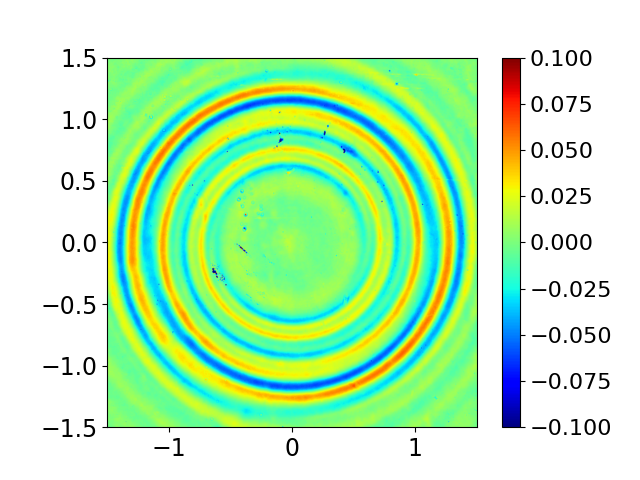
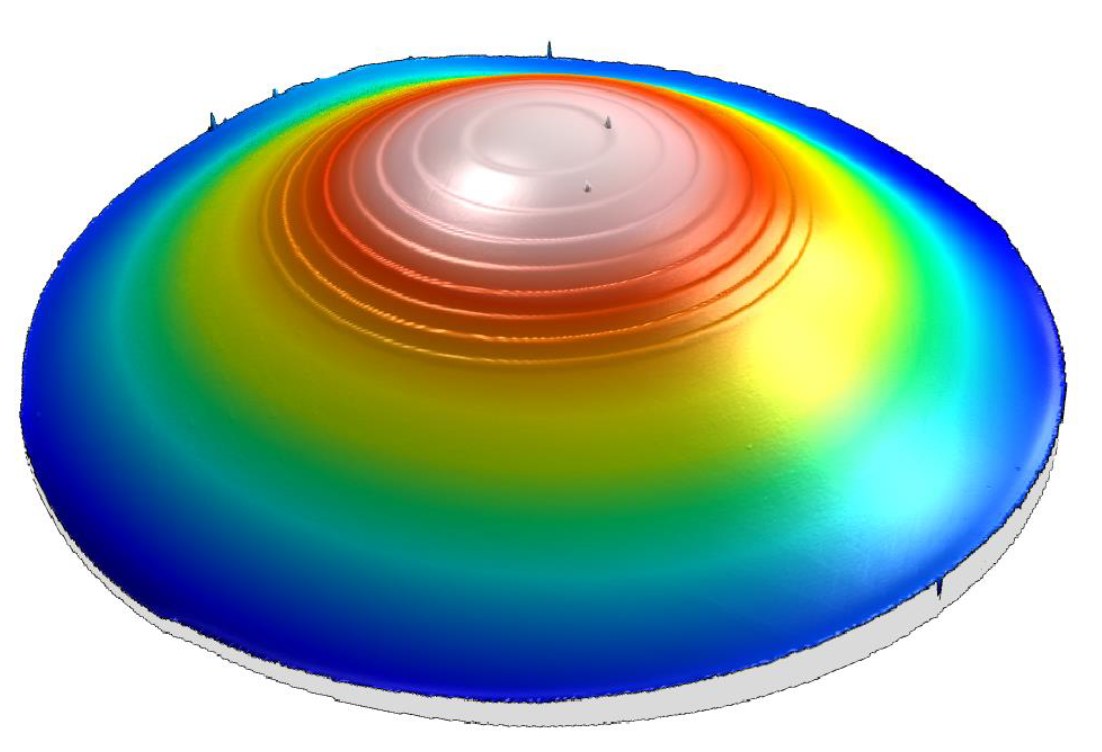
As part of their work, the optical characteristics of a wide range of intraocular lenses have been objectively measured using a system based on Mach–Zehnder interferometry, building an optical database that captures the unique "optical fingerprint" of each lens.
AIOLsci combines these optical measurements with patient-specific data, including corneal structure, pupil size and ocular biometry, and runs advanced optical simulations based on ray tracing. This makes it possible to compare different lenses and predict, before surgery, the visual quality and optical performance expected from each lens in the individual patient's eye.
The goal is to turn intraocular lens selection from a process based largely on categories, experience and surgeon preference into a quantitative, objective and personalized process, grounded in the optical interaction between the lens and the eye in which it will be implanted.
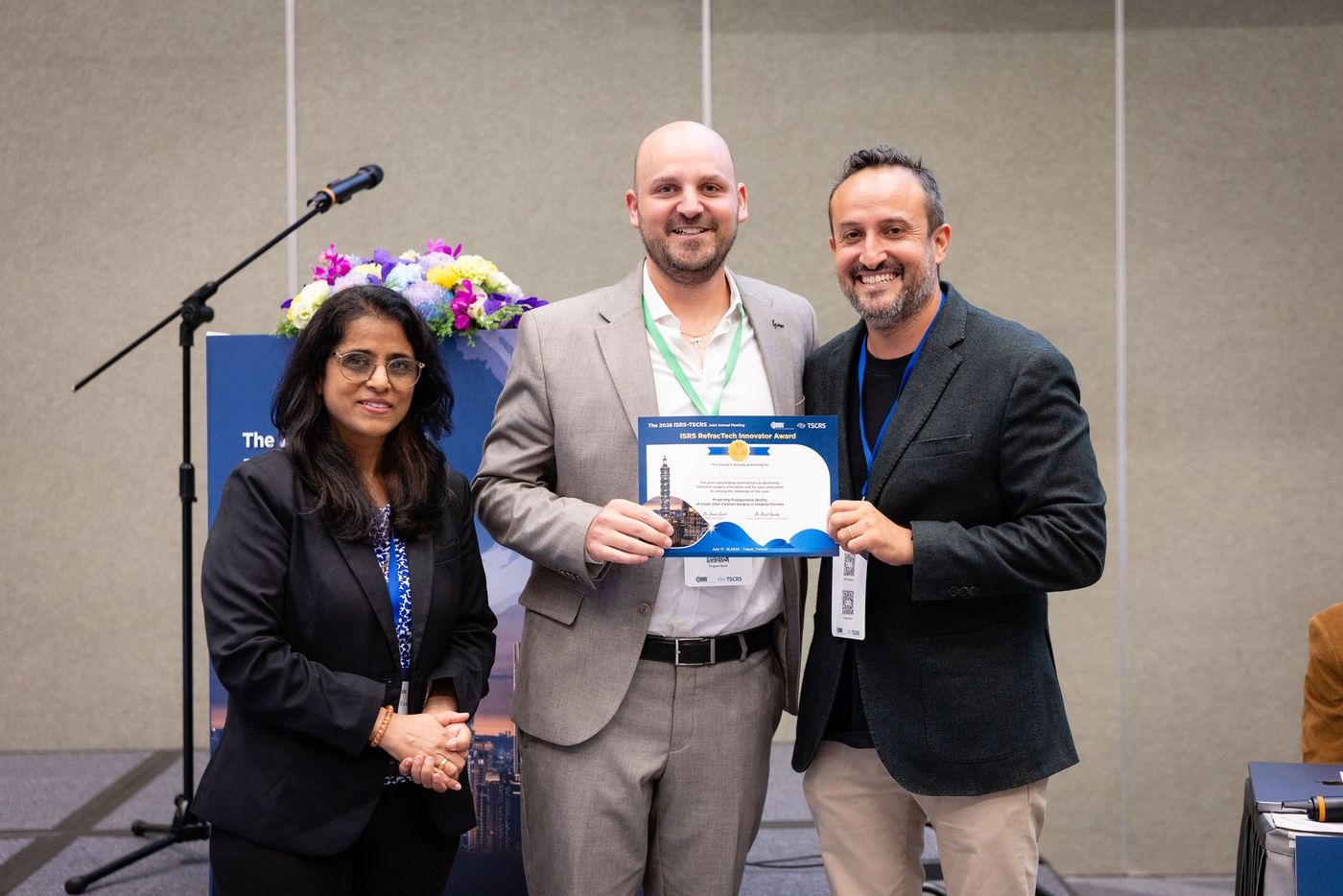
AIOLsci won the RefracTech Innovator Award 2026 from the International Society of Refractive Surgery (ISRS)